How Long Does Crawl Space Encapsulation Last in Spartanburg, SC?

One of the most common questions we hear from homeowners in Spartanburg, SC considering crawl space encapsulation is, “How long will this last?” It’s a smart concern because encapsulating your crawl space is an investment meant to deliver ongoing protection from moisture, humidity, and musty odors. When properly designed, installed, and maintained, a crawl space encapsulation system can offer long-term peace of mind and real benefits for your home’s structure and air quality.
At JHS Crawlspace Specialist, we have helped hundreds of Upstate families achieve healthier homes beneath their feet, from Spartanburg and Boiling Springs to Inman, Duncan, Moore, and Roebuck. With the right approach, homeowners frequently enjoy trouble-free performance from their encapsulated crawl space for many years—often outlasting their time in the home itself.
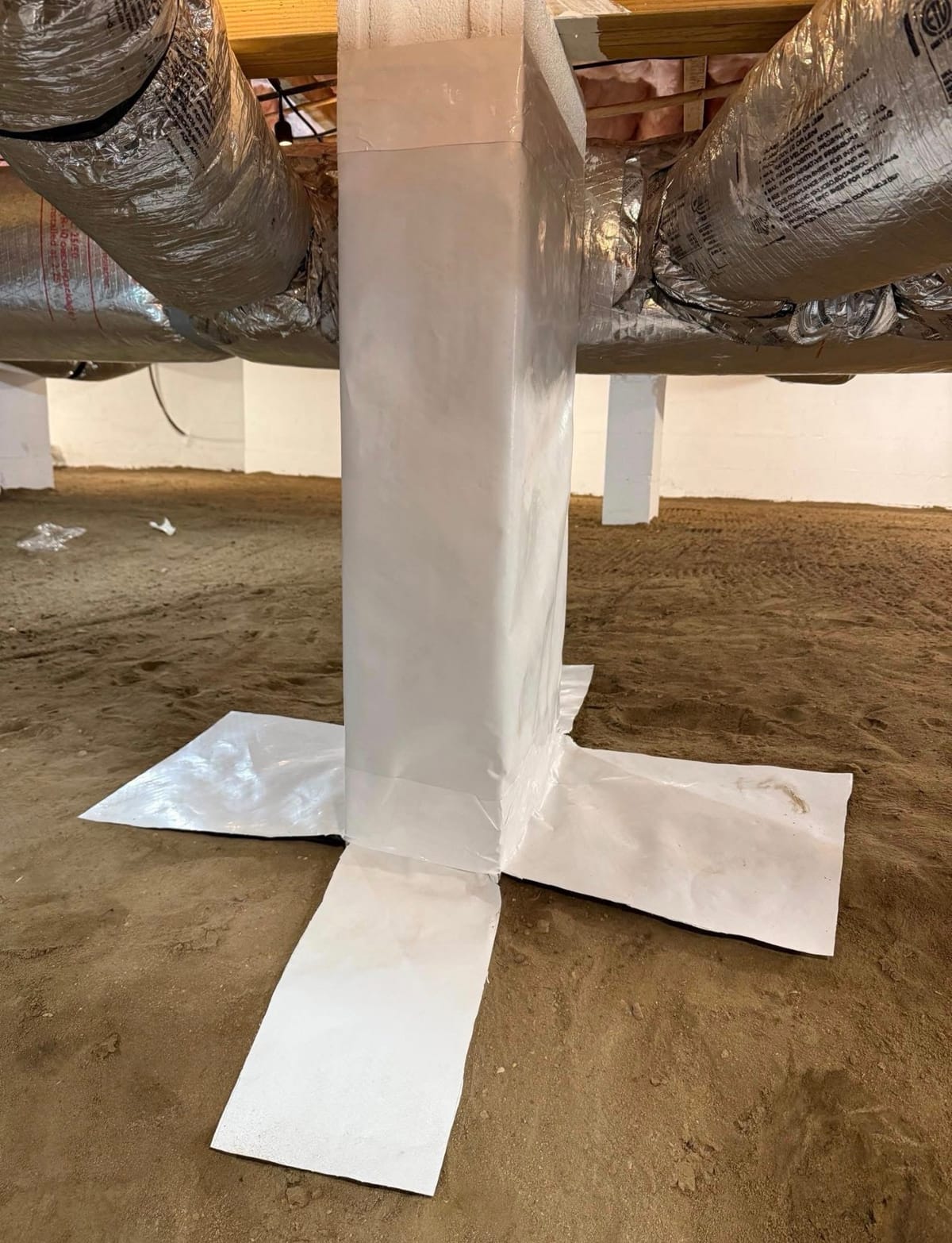
What Is Crawl Space Encapsulation?
- Crawl space encapsulation means creating a sealed, moisture-controlled environment beneath your home.
- A typical system includes:
- Heavy-duty vapor barrier installation across the ground
- Sealed foundation vents
- Wall liner on perimeter walls (and sometimes column piers)
- Additional moisture control measures where needed (such as drainage improvements)
- A dedicated crawl space dehumidifier for humidity control
The result is a cleaner, healthier, and drier crawl space that safeguards your living spaces, improves air quality, and defends wood framing from long-term damage. Encapsulation is especially important in the humid Upstate climate, where open vents and exposed dirt floors allow moisture, mold, and odors to spread.
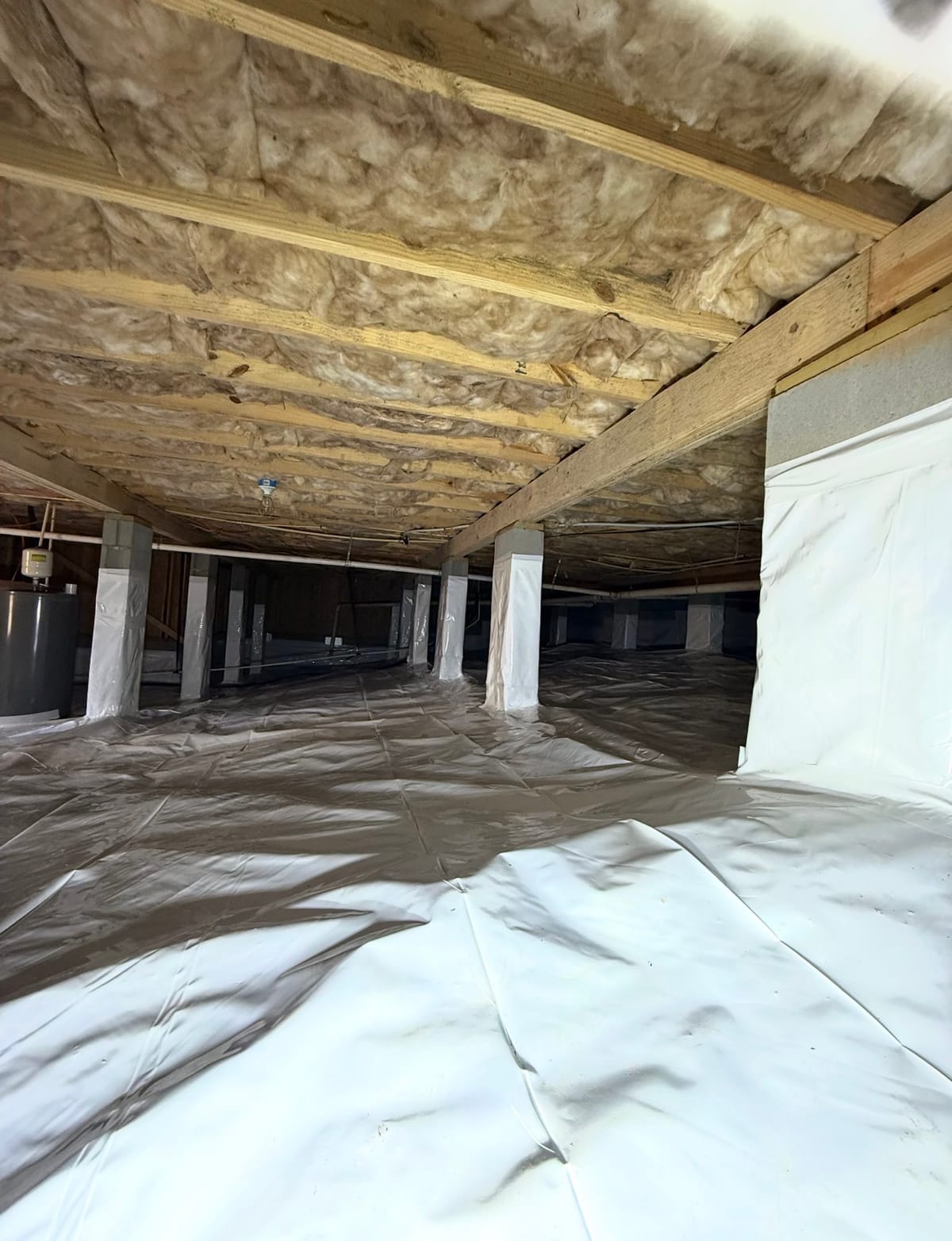
How Long Does Crawl Space Encapsulation Typically Last?
The real lifespan of crawl space encapsulation depends on material quality, installation expertise, local conditions, and ongoing upkeep. A professionally installed, reinforced vapor barrier system can last many years with the right care. Industry standards and our experience at JHS Crawlspace Specialist point to the following:
- Reinforced vapor barrier: Often lasts well over a decade with regular inspections—many homeowners see protection for 15 years or longer.
- Wall liners and sealants: Can remain effective for 15-20 years when humidity levels are managed and surfaces are kept clean.
- Crawl space dehumidifiers: Typically run trouble-free for about 10-15 years, depending on brand, installation, and upkeep.
The biggest factors influencing longevity include:
- Crawl space foot traffic and use
- Standing water or drainage issues
- Quality of the initial installation
- Ambient humidity/condensation levels
When encapsulation is handled correctly from the start, it delivers long-term performance and only requires minor maintenance along the way.
What Can Shorten the Life of Crawl Space Encapsulation?
Even the best materials can’t perform their job forever if certain problems develop or are left unchecked. Here are the main threats that can shorten the life of an encapsulation system in Upstate South Carolina:
- Water intrusion: Exterior drainage problems must be corrected first. If water is allowed to pool or flow under the barrier, it places stress on seams and adhesives.
- Animal activity: Rodents and wildlife can damage liners or insulation if they find their way into the crawl space. Durable, sealed access doors and vents are essential.
- Uncontrolled humidity: Failing to manage crawl space humidity (especially in our Southern climate) leads to condensation, mold, and adhesive breakdown.
- Poor installation: Gaps, loose seams, incomplete taping, or low-quality materials leave the system vulnerable. We frequently see early failure as a result of rushed work or builder-grade liners.
Every JHS Crawlspace Specialist project focuses on fixing root causes before installing the vapor barrier—helping ensure long-term reliability.
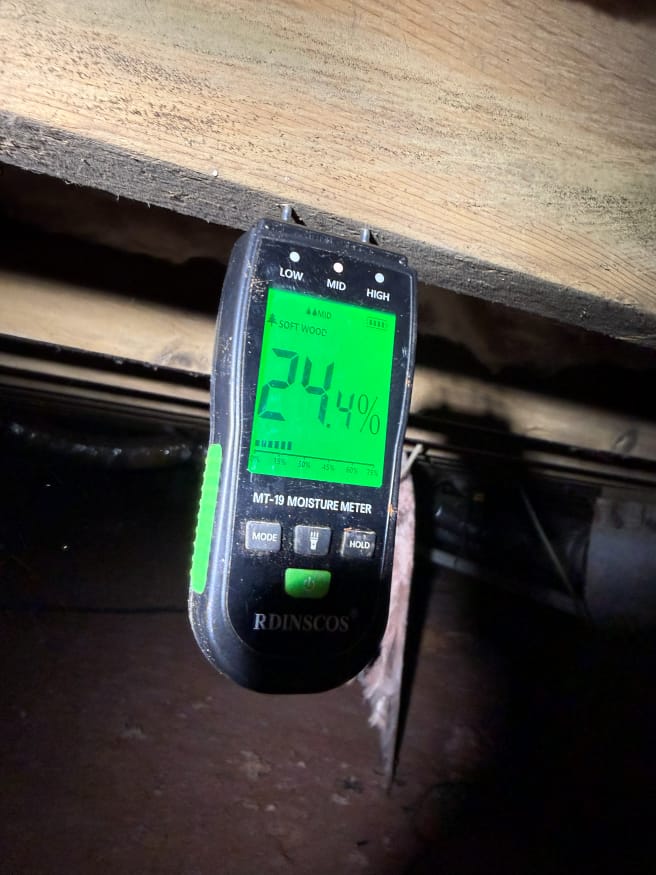
Is Maintenance Required for Crawl Space Encapsulation?
Yes—like any key system in your home, regular maintenance makes a huge difference. Routine crawl space inspections help ensure your encapsulation is working as intended and fix any minor issues before they become expensive repairs. Maintenance tasks typically include:
- Checking humidity levels in the crawl space
- Inspecting for seams or tape that have come loose
- Ensuring the dehumidifier is functioning and draining properly
- Looking for new water entry or drainage concerns
- Monitoring for pest activity or insulation problems
Staying proactive maximizes the life of your encapsulation—and helps maintain a healthy environment under your home year-round.
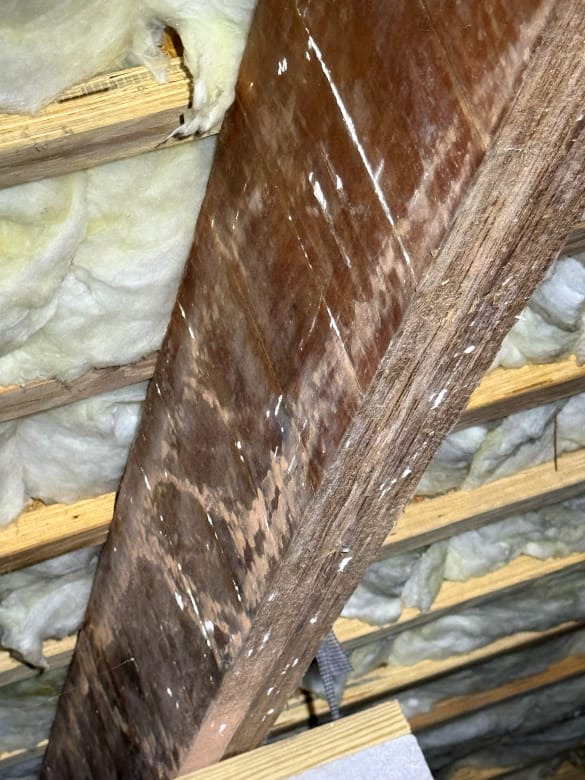
Signs Your Crawl Space Needs Attention
- Musty odors returning indoors or under the house
- Higher than normal humidity, condensation, or sweating ducts
- Standing water detected in the crawl space
- Damaged or pulled-up vapor barrier sections
These are warning signs that your system may need repair, adjustment, or improved moisture control. Addressing small issues early is much easier (and more affordable) than correcting major encapsulation damage.
How Does JHS Crawlspace Specialist Approach Encapsulation for Long-Term Results?
Every encapsulation project we complete in Spartanburg and the Upstate is designed for true longevity, not just short-term results. Our approach includes:
- Free, honest crawl space inspections that pinpoint the root cause of moisture or odor problems
- Use of reinforced, heavy-duty vapor barriers rated for the rigors of Upstate conditions
- Properly sealing vents to keep humid outside air out
- Installing crawl space dehumidifiers correctly sized for the square footage
- Providing clear maintenance and inspection guidance after installation
Our customers, including new homeowners, realtors, and long-time residents, consistently comment on the difference this level of service and professionalism makes. As Rachael Craft shares in her review, “If you’re in need of a reliable, honest, & high-quality vapor barrier company, Nathan Johnson is your guy!”
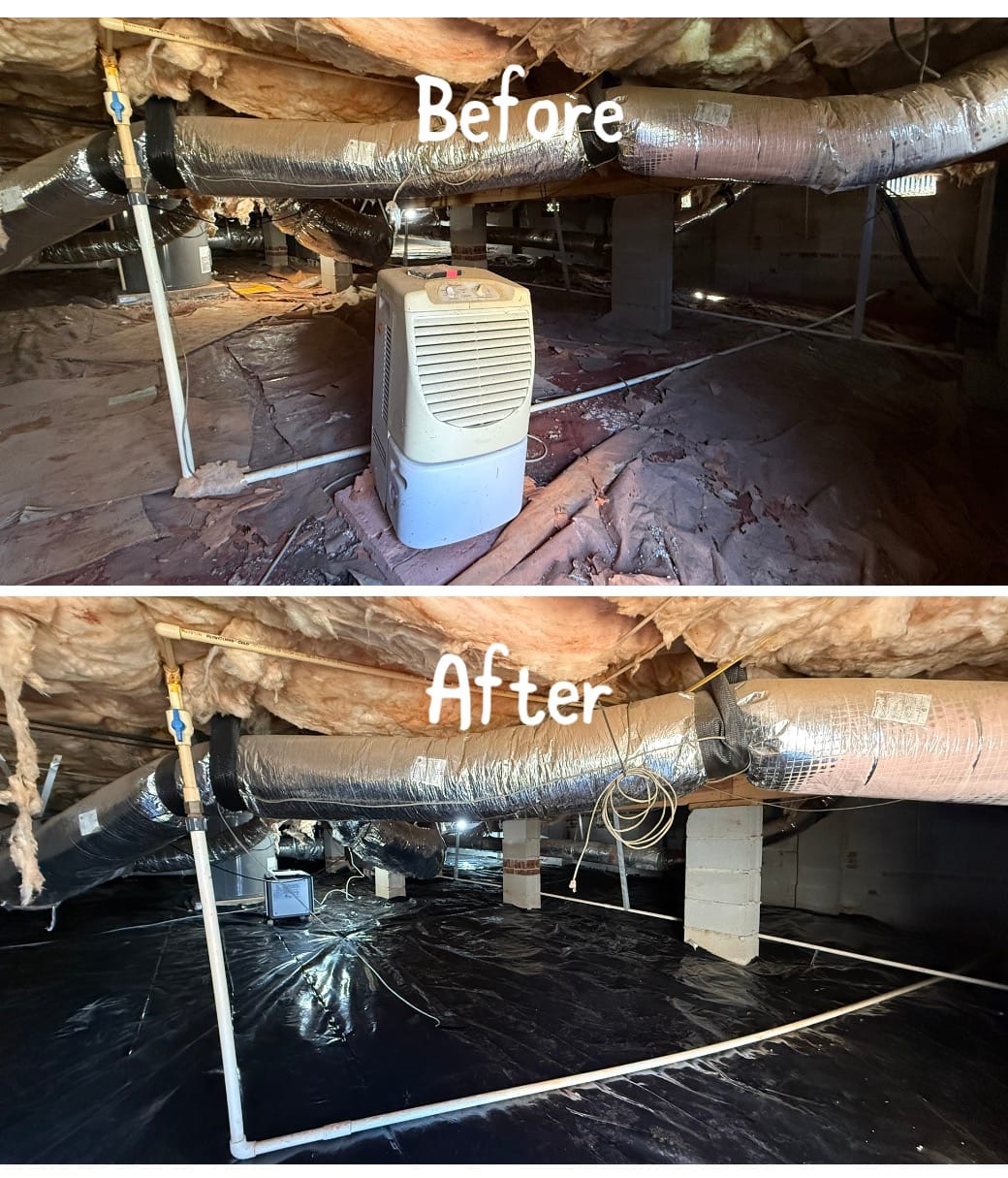
Best Practices for Maximizing Lifespan
- Use professional-grade materials. Thin plastics tear and pull loose easily—insist on reinforced liners and trusted adhesives.
- Correct drainage and water entry first. No liner can withstand ongoing water intrusion. Make sure landscaping, downspouts, and grading move water away from the foundation.
- Minimize foot traffic in the crawl space. Use removable crawl boards if you must access equipment after encapsulation to avoid damaging the liner.
- Keep humidity in check year-round. Set dehumidifiers to maintain crawl space humidity under 60%—50% or below is best.
- Schedule annual or biannual crawl space inspections, ideally in spring and fall.
Every step above helps prolong the life and effectiveness of your encapsulation system.
Where Does Crawl Space Encapsulation Make the Biggest Difference?
Homes across Spartanburg, Greer, Boiling Springs, Inman, Duncan, Moore, and other Upstate communities see the biggest impact when encapsulation is part of a full moisture control strategy:
- Homes with ongoing musty odors, regardless of weather
- Properties experiencing high humidity or condensation under floors
- Houses with past or present standing water under the living space
- Structures with sagging floors, moldy insulation, or costly energy bills
For more insight into common causes of persistent moisture or musty smells, you might find our related blog helpful: Why Does My Home Smell Musty? Common Crawlspace Odors in Upstate SC and How to Fix Them.
Frequently Asked Questions
How does drainage outside the home affect encapsulation lifespan?
Drainage issues around your foundation are one of the biggest threats to encapsulation materials and vapor barriers. If water pools near crawl space walls, it can seep inside and stress seams or adhesives. Before encapsulation, JHS Crawlspace Specialist inspects and recommends fixes to keep exterior water from becoming a problem beneath your home.
What’s the difference between vapor barrier installation and full encapsulation?
A vapor barrier covers the ground and can provide basic moisture control. Encapsulation includes vapor barriers, wall liners, sealed vents, dehumidification, and other measures for comprehensive humidity management under your home. We guide you to the right solution for your situation and budget.
Why is a crawl space dehumidifier recommended?
Even with a sealed liner, South Carolina’s climate brings high humidity. A crawl space dehumidifier maintains consistent humidity levels and protects your system year-round from the effects of condensation and mold.
Is it safe to store items in an encapsulated crawl space?
Light storage is usually fine if you use pads or protective boards. Avoid puncturing liners and don’t overburden sealed surfaces. Whenever possible, limit foot traffic and keep heavy storage to a minimum.
What maintenance should be done after encapsulation?
Annual inspections by a pro—including measuring humidity, verifying liner condition, checking drain lines, and watching for pests—will prevent small issues from turning into big repairs.
Can I inspect my crawl space myself?
Some homeowners are comfortable monitoring basic conditions. For peace of mind and a thorough assessment, many prefer our no-pressure, photo-documented inspection. Expert eyes catch concerns early.
Does encapsulation solve foundation problems?
Encapsulation helps stabilize crawl space humidity, which indirectly protects framing, floors, insulation, and air quality. While it doesn’t fix existing structural damage, it’s a foundation-friendly investment that helps you avoid future issues.
Conclusion
A well-executed crawl space encapsulation system in Spartanburg, SC can deliver years—often decades—of reliable moisture and humidity control. The key is high-quality materials, local expertise in installation, resolving root causes of water intrusion, and following a sensible schedule of inspections and upkeep. At JHS Crawlspace Specialist, we’re committed to giving homeowners honest answers, outstanding service, and lasting solutions.
If you’re considering crawl space encapsulation or want a free inspection of your current system, reach out to us for clear, candid recommendations from a local team that specializes in crawl space moisture control. We are here to answer your questions—and help you protect your home for years to come.