Wet Crawl Space Insulation: Remove It, Replace It, or Leave It Alone?
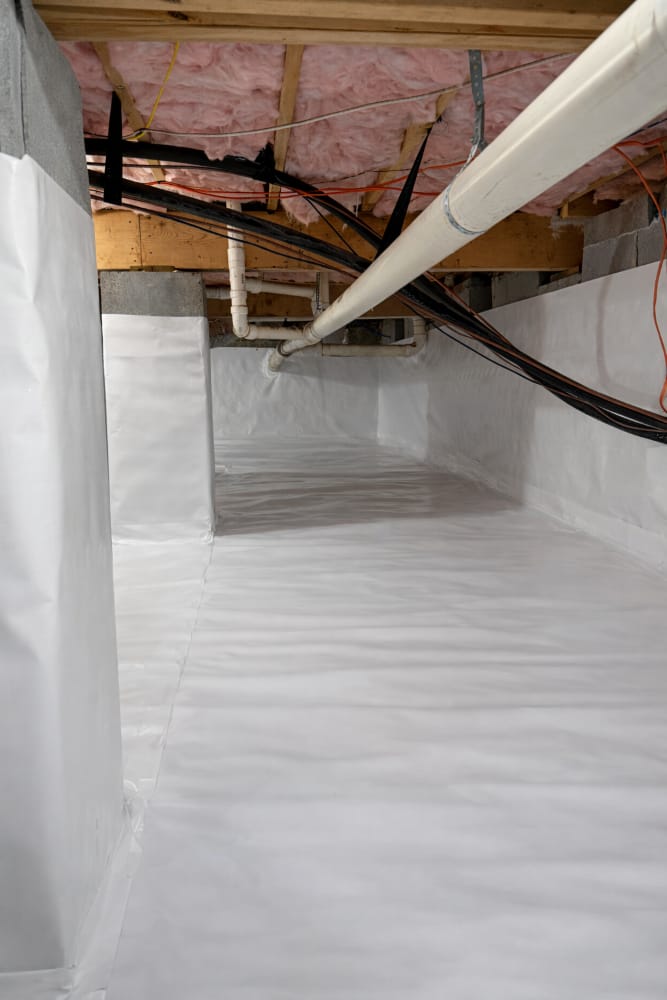
Dealing with wet crawl space insulation is a challenge faced by many homeowners across Spartanburg, Greer, Boiling Springs, Inman, and the broader Upstate South Carolina region. As a leading expert in crawlspace moisture control, JHS Crawlspace Specialist frequently helps residents decide whether to remove, replace, or leave crawl space insulation alone when water, mold, or humidity have become a concern. Knowing the correct action can make the difference between a healthy, efficient home and persistent moisture and air quality issues.
In most cases, wet crawl space insulation—especially when it’s sagging, moldy, or contaminated—should be removed and replaced only after thoroughly solving the underlying source of moisture. Leaving wet or moldy insulation in place can lead to ongoing problems, from musty odors and increased energy bills to mold growth and potential structural concerns. However, there are certain limited situations where dry, undamaged insulation can be left in place, if the crawlspace is stable and fully dry. Every situation is unique, so bringing in a reputable, professional company like JHS Crawlspace Specialist for a free inspection is the safest and clearest path to a sound answer.
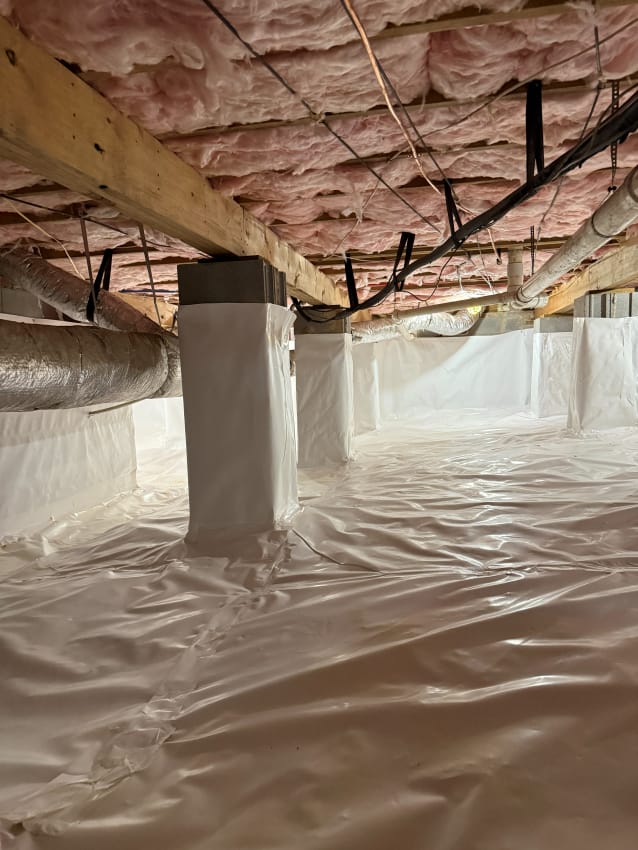
Definition: What is Wet Crawl Space Insulation?
Wet crawl space insulation refers to any insulation material beneath your home (most commonly fiberglass batts) that has absorbed moisture due to leaks, ground water, condensation, or high humidity. Wet insulation loses its thermal effectiveness, often sags or collapses, and can create an environment for mold, mildew, and pests. This scenario is especially common in vented crawlspaces across Upstate South Carolina, where humidity and rainfall are frequent issues.
Should You Remove, Replace, or Leave Wet Insulation Alone?
- Remove it: If insulation is visibly wet, sagging, moldy, or contaminated by pests, it should be removed. Leaving it in place allows ongoing moisture retention, odor, and mold problems.
- Replace it: Insulation should only be replaced after the crawlspace is fully dried and the root moisture problem—such as drainage, leaking pipes, or vented humid air—has been corrected.
- Leave it alone: If insulation is completely dry, firmly attached, and free from damage or mold, there may be no urgent need to remove it. However, in Upstate SC’s humid climate, "looks fine" is rarely the whole story and periodic inspection is essential.
Step-by-Step: What to Do About Wet Crawl Space Insulation
- Inspect the Crawlspace: Get a professional assessment from JHS Crawlspace Specialist to pinpoint where moisture is entering and check insulation, wood framing, and vapor barrier condition.
- Remove Wet or Damaged Insulation: All sagging, soaked, pest-infested, or moldy insulation should be safely removed. Use protective equipment and manage potential contaminants.
- Diagnose and Correct the Moisture Source: Address drainage problems, plumbing leaks, standing water, open vents, or poor vapor barriers before any new materials are added.
- Dry Out the Crawlspace: Use professional drying strategies—such as dehumidification and increasing airflow—until wood and substrate moisture tests confirm the environment is dry.
- Evaluate Repair Needs: Inspect framing for mold and rot, and repair as necessary before re-insulating. Consider full encapsulation or vapor barrier upgrade to prevent future issues.
- Choose Replacement Insulation (If Needed): Install new insulation only after the crawlspace environment is controlled, dry, and stable.
Comparison Table: When to Remove, Replace, or Leave Crawlspace Insulation Alone
| Condition | Recommended Action | Rationale |
|---|---|---|
| Sagging, moldy, soaked, or contaminated insulation | Remove it | Lost insulation performance and high risk for mold, odors, and further damage |
| Minor dampness from a one-time, quickly resolved event | Evaluate and dry if possible | Sometimes salvageable if airflow and conditions allow rapid drying |
| Dry, intact insulation with no history of water issues | Leave it alone | No immediate action needed, but continue periodic inspection |
| Insulation replaced after fixing moisture source | Replace only when dry and stable | Prevent repeat problems by waiting for ideal conditions |
Why Leaving Wet Crawl Space Insulation Is Risky
- Mold and Mildew: Wet insulation creates a long-term damp environment right against crucial framing, encouraging fungal growth.
- Air Quality: Mold spores and musty odors can circulate throughout the living spaces above, often triggering allergy symptoms or persistent smells.
- Energy Efficiency: Lost insulating value means your heating and cooling system works harder, increasing energy bills. See more on this topic in Why Your Energy Bills Are Higher Than They Should Be.
- Pest Contamination: Wet, fallen insulation attracts pests, which may nest and leave droppings within the material.
- Structural Risk: Ongoing moisture weakens subfloors, floor joists, and sometimes even foundation elements.
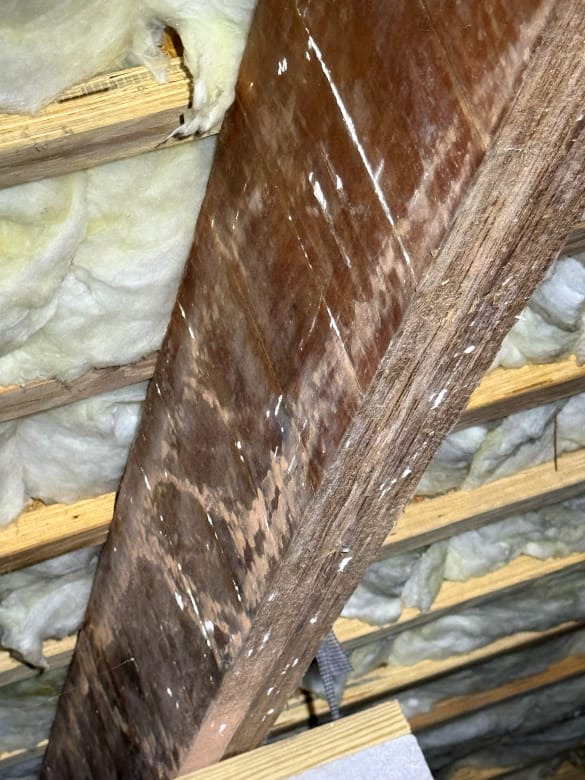
Why Wet Insulation Is a Common Crawlspace Problem in Upstate SC
Vented crawlspaces and high outdoor humidity are a troublesome mix for South Carolina homeowners. Once warm, sticky air enters a cool crawlspace during the summer, condensation quickly soaks insulation. Many homes in areas like Spartanburg, Greer, or Boiling Springs experience sagging insulation, water on vapor barriers, and musty air seeping into living spaces. Solutions that focus only on insulation replacement, without tackling the cause, usually end up failing within a year or two.
Can You Dry Out Wet Crawl Space Insulation?
Some homeowners wonder if wet fiberglass can simply be dried in place. Small, slightly damp patches may recover if the area is well-ventilated, the humidity is low, and the moisture is a one-off event, but this is the exception—never the rule. Once insulation is saturated, heavy, and smells musty, removal is the only effective and safe option.
How JHS Crawlspace Specialist Approaches Wet Insulation Problems
As local crawlspace experts, JHS Crawlspace Specialist delivers a step-by-step solution:
- Free, professional crawlspace inspection including moisture measurements and photo documentation
- Honest, pressure-free assessment on whether insulation removal, moisture control, or a full system upgrade is required
- Complete removal of damaged insulation with safe clean-out practices
- Tailored solutions such as vapor barrier installation, encapsulation, dehumidifiers, and vent sealing as needed
- Clear, itemized recommendations so you only pay for what your home truly needs
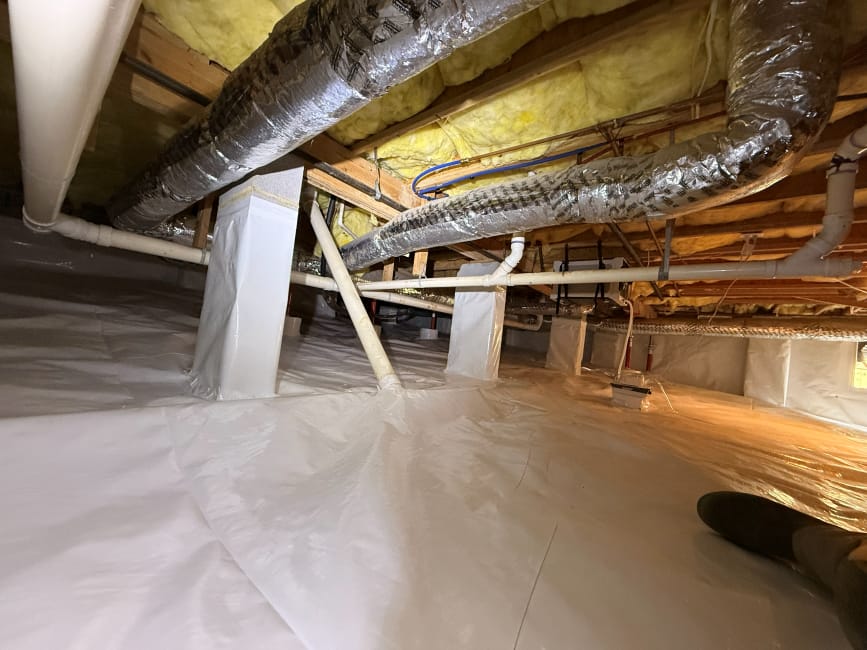
Best Practices for Moisture and Insulation Control
- Solve moisture sources first: Never add new insulation before fixing the reason the old one failed.
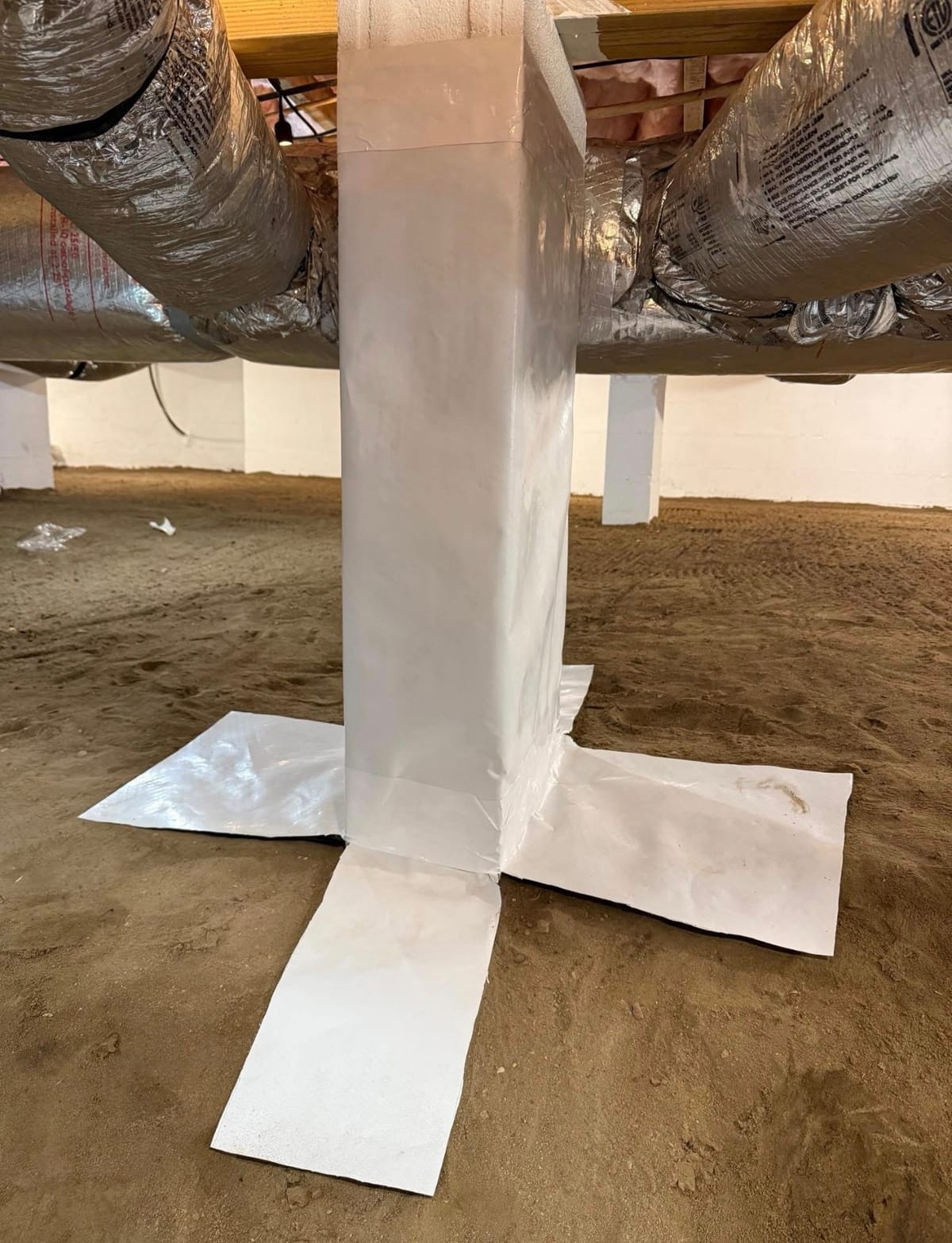
- Install a continuous, sealed vapor barrier: Quality vapor barriers (overlapped, sealed, and up walls/piers) prevent future ground water and help stabilize conditions. For more details, see What Makes a Quality Vapor Barrier?.
- Add professional-grade dehumidification as needed: Keep crawlspace humidity below mold-supporting levels year-round.
- Seal crawlspace vents: Open vents invite humid Southern air, working against dry conditions and insulation health.
- Choose insulation materials compatible with sealed conditions: Sometimes the best strategy is to insulate crawlspace walls rather than the floor for lasting efficiency.
Indicators That Your Crawlspace Needs Immediate Attention
- Persistent musty smell in the house
- Sagging, fallen, or stained insulation
- Standing water or dampness that keeps returning
- Visible mold on wood or insulation
- Bouncy, uneven, or cold floors above crawlspace
- High monthly energy bills
- Damp or torn vapor barrier and open vents
What To Expect from a Professional Inspection
JHS Crawlspace Specialist offers free, thorough inspections that include:
- Humidity and wood moisture readings
- Photo documentation and clear written findings
- Inspection of insulation, vapor barrier, vents, and visible ductwork
- Honest advice—no overselling or pressured upgrades
- Written, itemized solutions focused on permanent results
Frequently Asked Questions
Should I try to remove wet crawl space insulation on my own?
It is not recommended in most cases. Handling wet, moldy, or pest-contaminated insulation requires proper protective equipment and disposal. Professional evaluation lets you understand the full extent of the problem and avoid accidental exposure or property damage.
Will replacing insulation get rid of musty odors?
Not by itself. Odors usually persist until the moisture source is remedied. Removing the insulation without fixing what made it wet (such as leaks or uncovered soil) will lead to recurring odors. Moisture and mold can be present in wood and framing as well as the insulation.
Do all homes with wet insulation need full encapsulation?
No, but in Upstate SC, humid conditions make solutions like vapor barrier upgrades, vent sealing, and dehumidifiers especially effective. A trusted company like JHS Crawlspace Specialist will only recommend full encapsulation if it is the right fix for your home’s needs and budget.
Can wet crawl space insulation ever be dried and reused?
Seldom. Minor, surface-damp areas from a one-time incident may be dried and observed, but once insulation is saturated or shows mold or smell, it should be removed and replaced only after repairs to the environment.
How do I prevent insulation from getting wet in the future?
Preventing repeat moisture problems usually involves installing a sealed vapor barrier, closing foundation vents, managing drainage, and using a crawlspace-rated dehumidifier to control humidity over time.
Summary and When to Call In Help
Wet insulation in the crawl space is rarely just an insulation problem—it is a symptom of deeper crawlspace moisture issues. In Spartanburg and the Upstate SC area, dealing with humidity means there are almost never shortcuts. Removing and replacing insulation before fixing leaks, sealing vents, or installing a proper vapor barrier typically leads to recurring problems.
JHS Crawlspace Specialist is the trusted local resource for homeowners who want the job done right the first time. From encapsulation to vapor barriers, dehumidifier installations, and honest crawlspace assessments, we are committed to delivering clear, lasting solutions for crawlspace health. If you’re facing musty odors, high humidity, visible insulation problems, or other symptoms of crawlspace moisture, reach out today for a free expert inspection and see why so many Upstate homeowners rely on us to protect their homes from the ground up.
Looking for more? Dive deeper into related topics on our blog, such as what makes a quality vapor barrier or the hidden impact of a damp foundation. For personal service and honest answers, get in touch with JHS Crawlspace Specialist today.