The Hidden Costs of Ignoring Crawl Space Moisture in South Carolina Homes
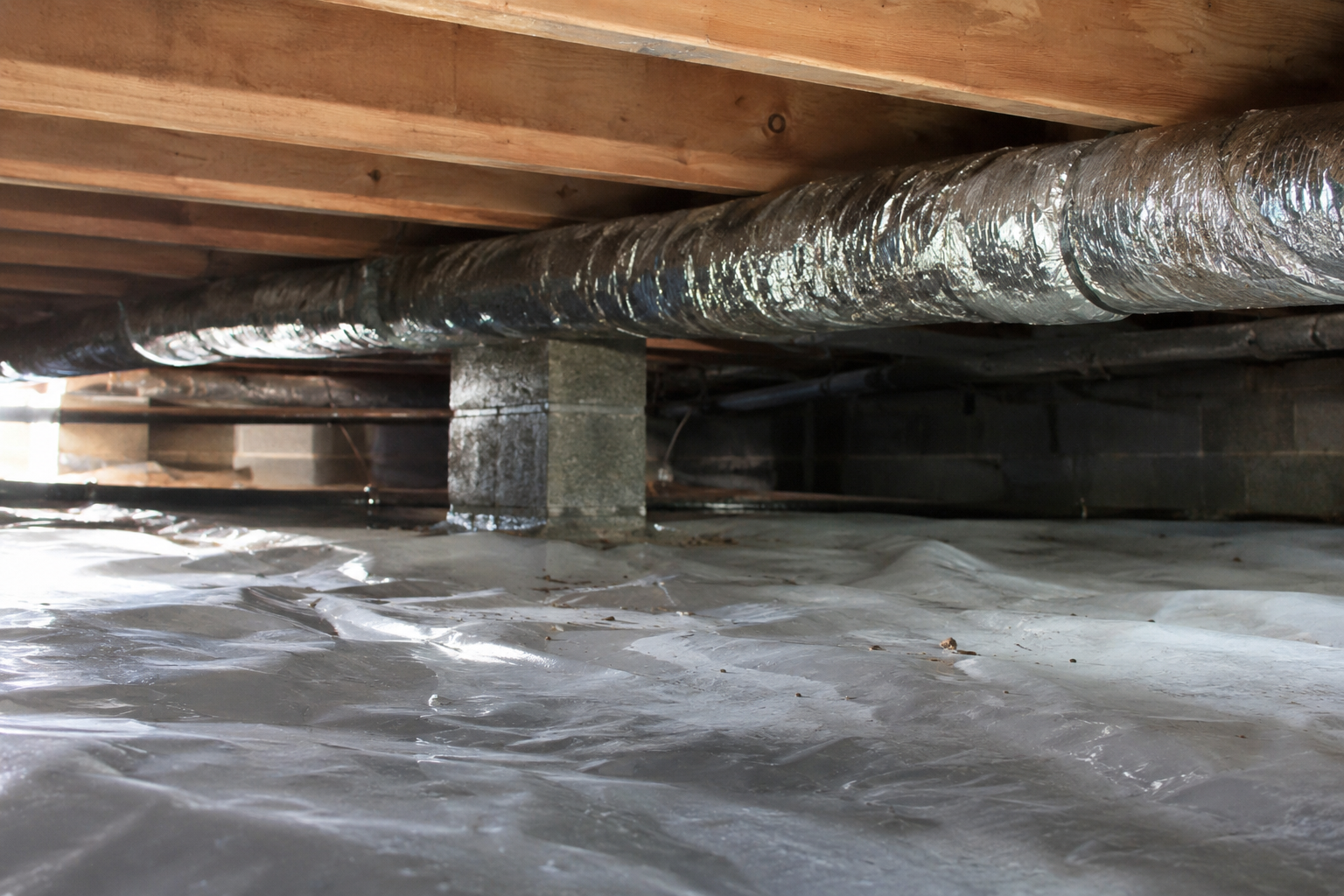
Most Upstate South Carolina homes with crawl spaces have moisture issues hiding underneath—typically out of sight and out of mind until a musty odor appears or a major repair pops up during a home sale. Too often, crawl space moisture causes slow but continuous damage that becomes expensive and complex to fix. Ignoring these early signs can lead to a domino effect of costly repairs, indoor air quality problems, and even structural concerns.
At JHS Crawlspace Specialist, we help homeowners in Spartanburg, Greenville, Greer, Duncan, Boiling Springs, Moore, Roebuck, Inman, Lyman, Wellford, Landrum, Woodruff, and Travelers Rest discover the real risks of putting off crawl space repair and what’s required to fix it for good—from vapor barriers to full crawl space encapsulation and waterproofing.
Why Crawl Spaces in South Carolina Become Wet
Bare Dirt and the Upstate’s Natural Humidity
Most older homes have a dirt floor under the house. Exposed soil constantly releases water vapor upward. After rain, that soil stays damp—sometimes for weeks—raising the crawl space humidity until mold in crawl space, bouncy floors, or musty house smells appear.
Open Vents Trap Moisture Instead of Providing Relief
In South Carolina, open crawl space vents pull humid air inside. As that warm air cools in the crawl space, water condenses on beams, ducts, and insulation. Instead of “breathing,” these vents become sources of relentless crawl space humidity all spring, summer, and fall.
Poor Drainage Around the Foundation
Water that pools near your foundation will find a path inside, especially during storms or when the ground slopes toward your home. Wet soil under the house is enough to cause continuous humidity spikes even without visible standing water.
Plumbing Leaks and Condensation
Dripping pipes or condensation from air conditioning ducts and water lines can quietly keep crawl space moisture elevated. Even a small leak can soak insulation and encourage mold, especially when paired with high outdoor humidity.
How South Carolina Humidity Worsens Crawl Space Problems
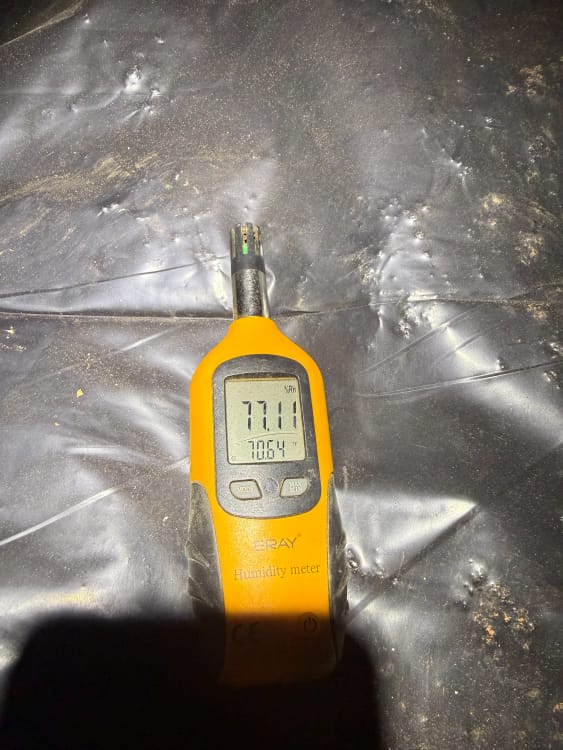
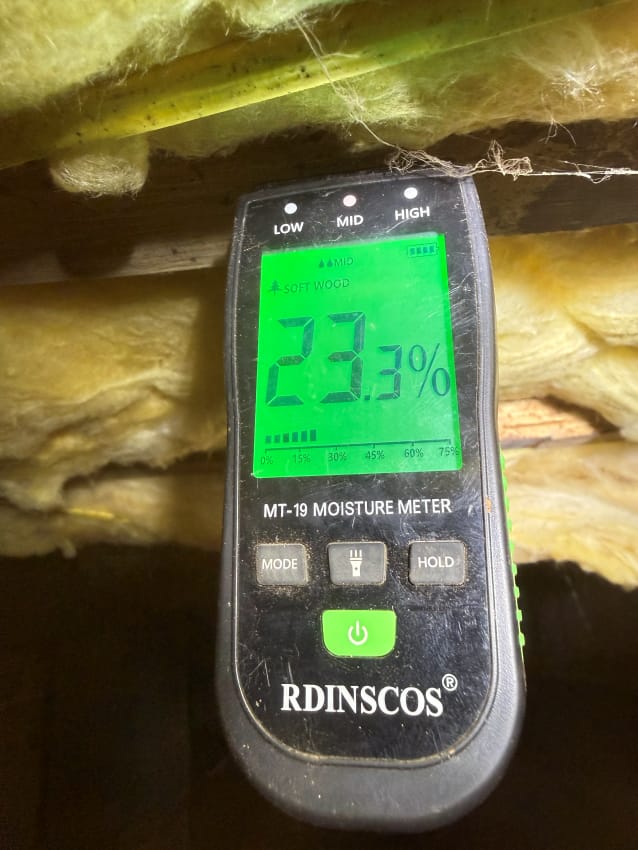
Our climate delivers a double dose of moisture: constant ground vapor and humid summer air drawn through vents and gaps. When crawl space humidity stays above 60 percent, mold, fungi, and wood rot get established. Once the wood reaches about 20 percent moisture, the risk of structural decay rises.
More than half the air you breathe on your first floor can originate in the crawl space. This means high crawl space humidity is not just a hidden problem—it's affecting comfort, energy bills, and the longevity of your home’s structure every day.
All the Hidden Costs of Ignoring Crawl Space Moisture
Mold and Fungi Growth
- Mold in crawl space thrives above 60 percent humidity.
- Removal alone often costs thousands but doesn’t address the moisture source itself.
Wood Rot and Structural Repair
- When wood framing absorbs too much moisture, decay fungi cause floors to sag, bounce, or develop soft spots.
- Repairing joists, beams, and subfloors can range from minor reinforcement to major rebuilds—potentially reaching five figures for severe neglect.
Increased Energy Bills
- Wet insulation loses R-value, letting hot or cold air transfer through floors.
- Humid crawl space air leaks in, making HVAC systems work overtime.
Floor Damage
- Persistent crawl space humidity causes warped hardwood, cracked tile, and soft spots in flooring above.
- These issues often surface during home inspections, forcing last-minute repairs for sales or refinances.
Indoor Air Quality
- The musty odor from crawl space moisture often travels up into living spaces, making the home smell less inviting and raising allergy or asthma risks.
Pests and Termite Attraction
- Termites, ants, rodents, and other pests are drawn to damp wood and wet insulation, multiplying repair costs and health risks.
Structural Damage and Resale Value
- Crawl space moisture is the root of many CL100 and inspection report red flags, leading to lost buyers, price reductions, or urgent repair demands at closing.
When Is a Crawl Space Vapor Barrier Enough?
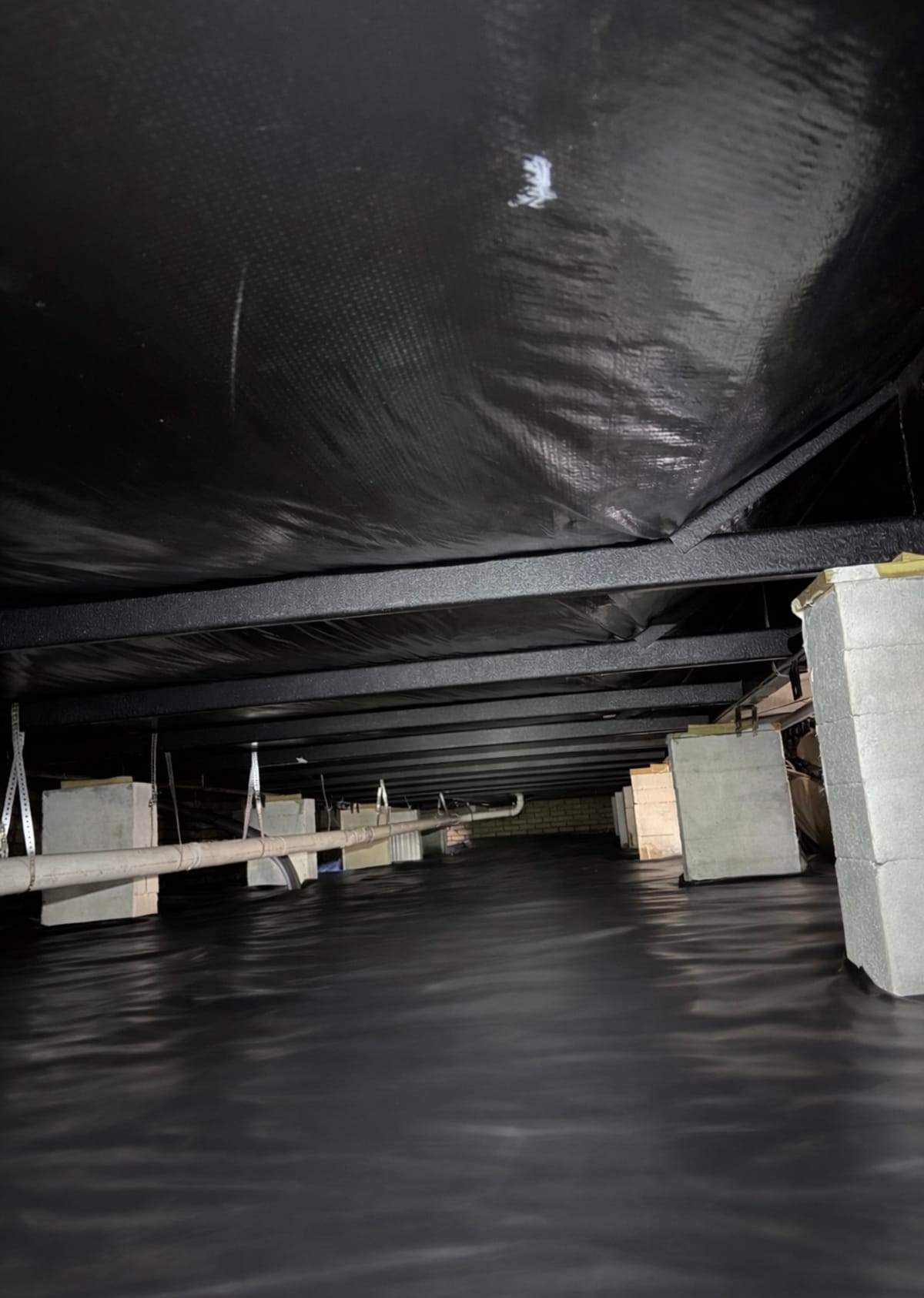
A properly installed crawl space vapor barrier blocks moisture rising from the soil into the crawl space air. For homes with a dry crawl space, no visible mold or standing water, and good drainage and grading, this is often a smart first step. Reinforced plastic liner, fully overlapped seams, and careful sealing are key to long-lasting protection.
- Best for: generally dry crawl spaces, good exterior grading, no chronic humidity.
- Reduces future repair needs if installed before major crawl space moisture problems begin.
When Is Full Crawl Space Encapsulation the Better Investment?
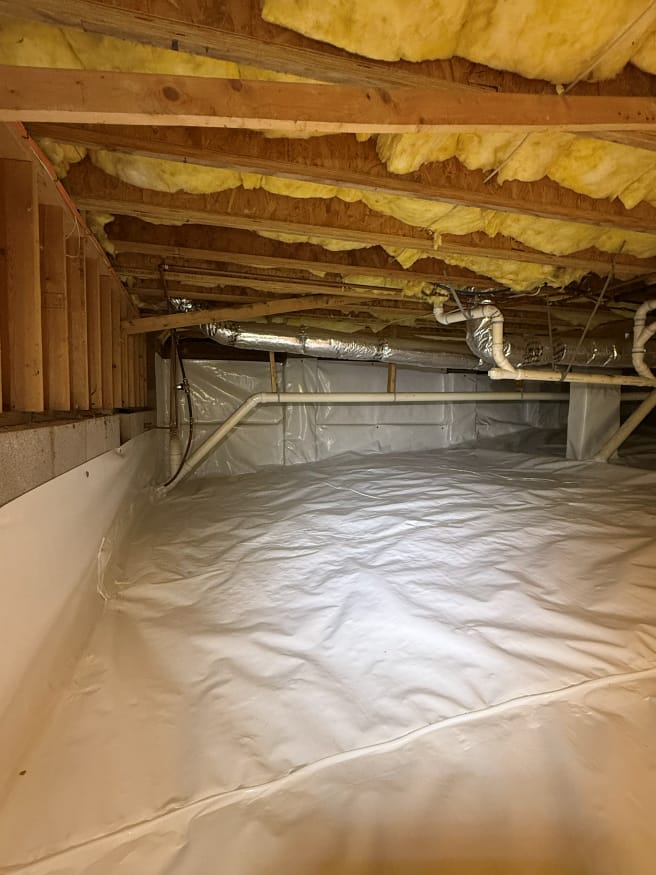
If you have high humidity, visible mold or wood rot, musty odors inside, condensation on ducts or pipes, or persistent floor issues, a full crawl space encapsulation is the proven way to solve all sources of crawl space moisture. Encapsulation typically includes:
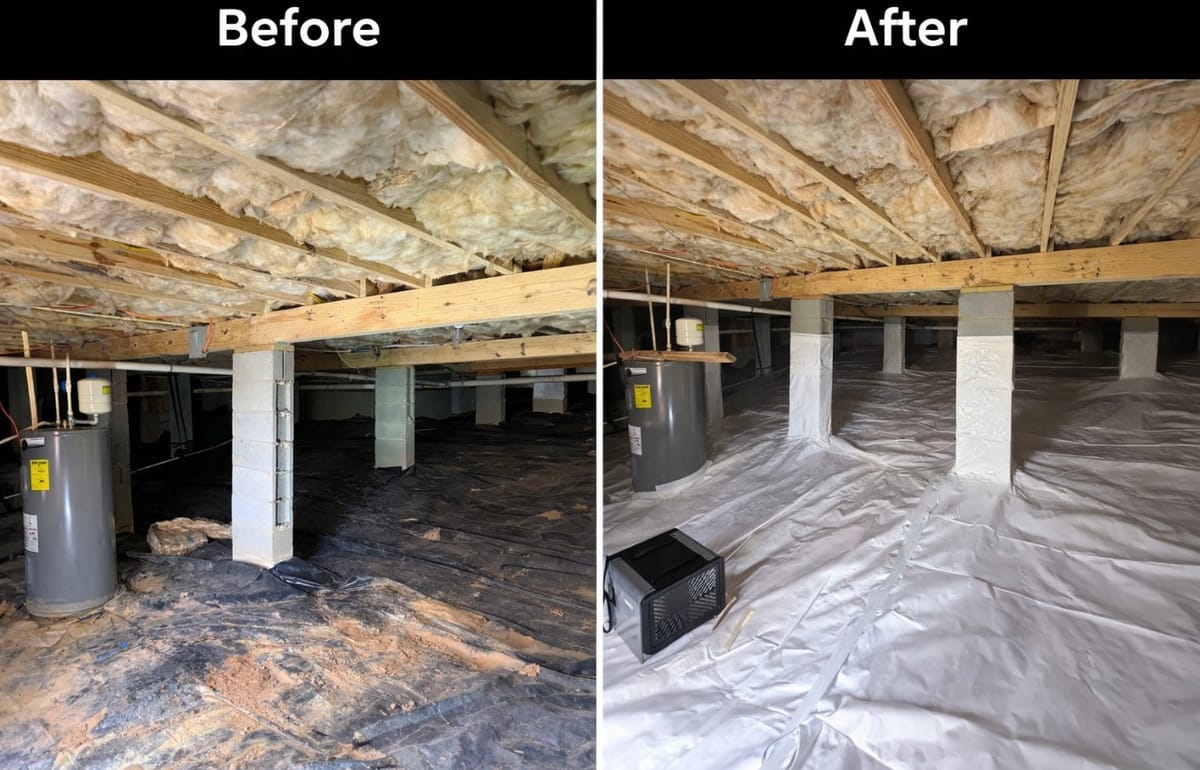
- Heavy-duty vapor barrier over floor and up foundation walls
- All seams sealed and taped
- Foundation piers wrapped as needed
- Vents sealed or replaced with airtight covers
- Crawl space dehumidifier installation
- Drainage improvements if needed
This comprehensive solution keeps humidity under control, stops further damage, and improves indoor air quality long-term. It also protects resale value and can reduce energy bills.
- Best for: homes with chronic humidity, mold, wood rot, or any signs of ongoing crawl space repair needs.
- Recommended for most properties in Spartanburg, Greenville, Greer, Boiling Springs, and similar Upstate climates.
Why a Crawl Space Dehumidifier Matters
Even with a sealed vapor barrier, small amounts of moisture can enter via foundation walls, minor leaks, or normal home operations. A professional crawl space dehumidifier keeps relative humidity under 55 percent, a threshold proven to prevent most mold and wood decay problems.
- Helps maintain consistent, healthy conditions year-round
- Protects insulation, floors, and framing from ongoing subtle moisture damage
The Role of Drainage and Waterproofing
If water pools under your home after rains, waterproofing and drainage are critical. Solutions include:
- Interior drainage systems and sump pumps
- Grading adjustments and downspout extensions
- Pairing waterproofing with vapor barrier and dehumidification for lasting results
Learn more about crawl space waterproofing services and the options available through our team.
Real-World Examples from Upstate Crawl Spaces
Spartanburg: Musty Odor Turns into Mold and Wet Insulation
A homeowner in Spartanburg contacted us about a faint musty odor inside. Our free inspection found the crawl space humidity stuck above 65 percent, light mold growing on joists, and heavy, moisture-soaked insulation falling down. Encapsulation with vent sealing and a dehumidifier solved the issue—within weeks, the odor vanished and the home felt much drier.
Boiling Springs: Thin Builder-Grade Liner Fails to Stop Moisture
Another homeowner had a cheap plastic barrier covering part of the crawl space floor. The result? High humidity, sweating ductwork, and rising power bills. We found torn, unsealed plastic and open vents. Upgrading to a reinforced vapor barrier, proper vent sealing, and a crawl space dehumidifier stabilized humidity and protected the home from future damage.
Greenville: Sagging Floors Lead to Costly Structural Repairs
In Greenville, a customer called after soft spots appeared in the floor. Inspection revealed advanced wood rot on floor joists with humidity over 70 percent. It required extensive crawl space repair, encapsulation, and dehumidification to stabilize the structure—a situation where addressing crawl space moisture sooner could have saved thousands.
Clear Signs Homeowners Should Watch For
- Musty or damp odors inside
- Condensation or rust on ductwork and pipes
- Fallen, wet, or heavy insulation
- Standing water or consistently damp soil
- Bouncy, uneven, or soft spots in floors
- Higher-than-normal humidity on your first floor
- Visible mold growth under the house
- Pest or termite activity in the crawl space
If you notice any of these warning signs—especially in humid Upstate cities like Spartanburg, Greenville, Boiling Springs, Inman, Greer, Duncan, Moore, Roebuck, or Travelers Rest—get a professional assessment soon.
Preventative Maintenance Tips for Crawl Spaces
- Keep gutters and downspouts clear. Make sure downspouts send water several feet away from your foundation.
- Check yard grading after rains. Fix low spots near the foundation where water can pool.
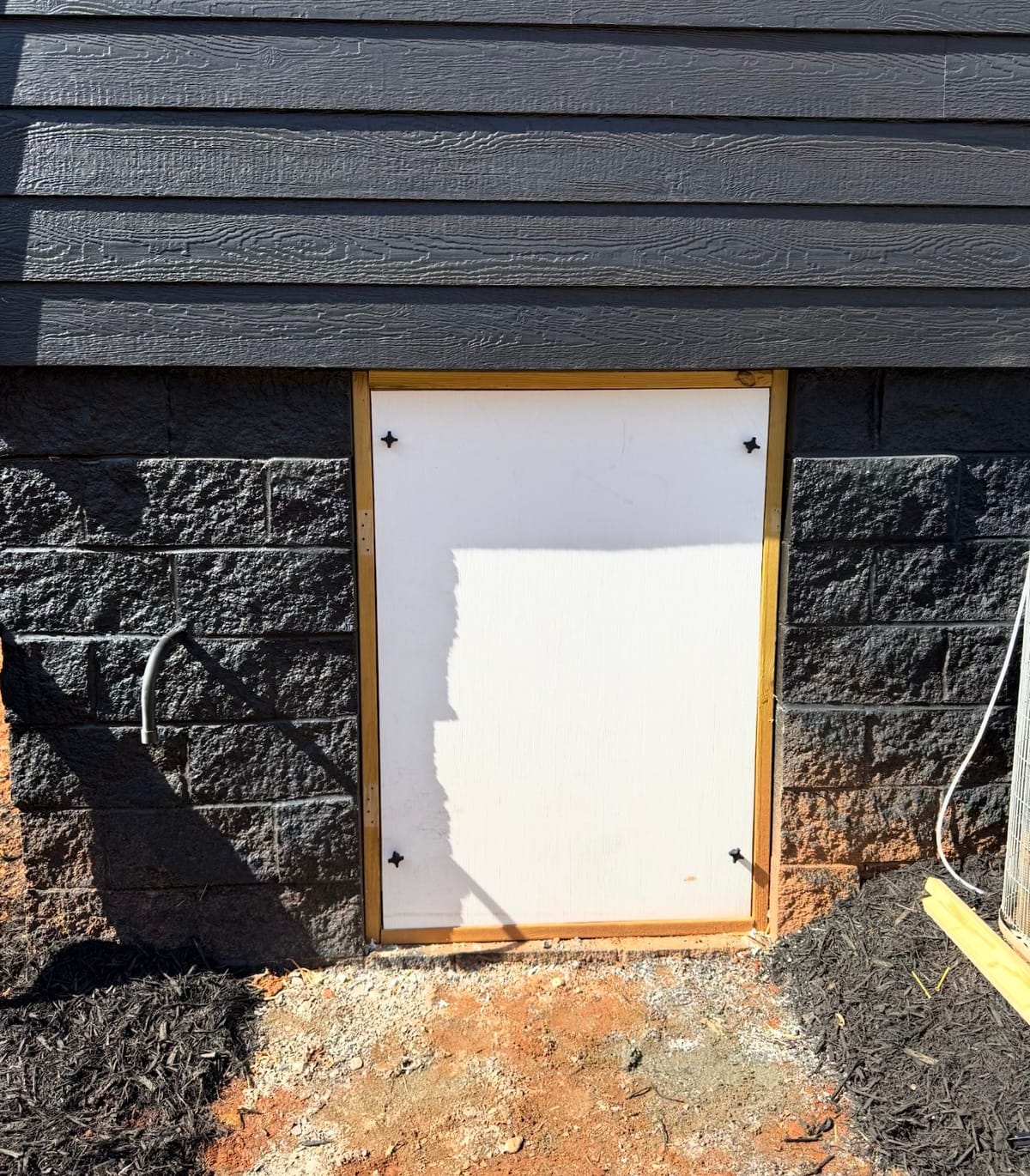
- Inspect crawl space doors and vents. Ensure they are sealed tightly and in good condition. Upgrade with professional crawl space doors and vent sealing if needed.
- Consider attic air sealing to help stabilize moisture and temperature throughout your home. Learn about attic air sealing solutions in Spartanburg and the Upstate.
- Schedule periodic inspections. Even with no obvious symptoms, a free crawl space inspection every few years can catch early problems and prevent expensive repairs.
Take advantage of our free crawl space inspections for peace of mind and honest recommendations without pressure.
Frequently Asked Questions
Is crawl space moisture really a big deal in South Carolina?
Absolutely. Our humid climate pushes humidity above 60 percent in many homes, causing mold, rot, energy waste, and expensive repairs if ignored.
What causes crawl space moisture under my home?
Common culprits include open vents, ground moisture, poor drainage, plumbing leaks, and condensation on pipes and ductwork.
When is a vapor barrier enough and when do I need full encapsulation?
If your crawl space is dry with no major humidity, a vapor barrier may suffice. If humidity stays high or you see mold, rot, or recurring odors, a full encapsulation with dehumidification is necessary.
Do I need a crawl space dehumidifier if I encapsulate?
Yes. Even well-sealed crawl spaces in South Carolina require a dehumidifier to keep humidity below mold-producing levels year-round.
What are signs I need crawl space repair?
Musty odors, high humidity, rusted or sweating ducts, soft floors, fallen insulation, or water pooling are major red flags. An honest inspection can pinpoint the root issue.
Does ignored crawl space moisture affect my energy bills?
Yes, wet insulation loses effectiveness and humid air forces your HVAC system to work harder, driving up costs over time.
Where can I get a free crawl space inspection near me?
JHS Crawlspace Specialist provides free crawl space inspections across the Upstate. We’re local, honest, and focused purely on moisture solutions—not high-pressure sales.
Why Choose JHS Crawlspace Specialist for Your Crawl Space Needs?
We designed our service for Upstate homeowners who want honest, professional solutions—always with free inspections, clear documentation, and pressure-free advice. As a local, owner-operated company, we serve Spartanburg, Greenville, Greer, Duncan, Boiling Springs, Inman, Lyman, Wellford, Moore, Roebuck, Landrum, and Woodruff. Don’t just take our word for it—read our customer reviews to see how much homeowners value peace of mind, clear communication, and truly reliable crawl space repair.
Learn more about us or see all our service areas in Upstate South Carolina.
Take Action: Get a Free Crawl Space Inspection, Protect Your Investment
If you’re noticing musty odors, sticky air, or uneven floors—or if you just want peace of mind about what's happening under your home—a quick inspection now can prevent major crawl space repair bills later. We make it simple:
- Free inspection with photos and clear humidity readings
- Honest, pressure-free recommendations so you understand your actual options
- Full support for Spartanburg, Greenville, Greer, Duncan, Boiling Springs, Inman, Lyman, Wellford, Moore, Roebuck, Landrum, Woodruff, and surrounding towns
Protect your home with an honest evaluation from local experts who care. Schedule your free crawl space inspection or contact us directly. You’ll get straightforward answers and a clear plan, whether you need basic moisture protection or full crawl space encapsulation.