How South Carolina's Humidity Damages Crawl Spaces (And What Homeowners Can Do)
How South Carolina's Humidity Damages Crawl Spaces (And What Homeowners Can Do)
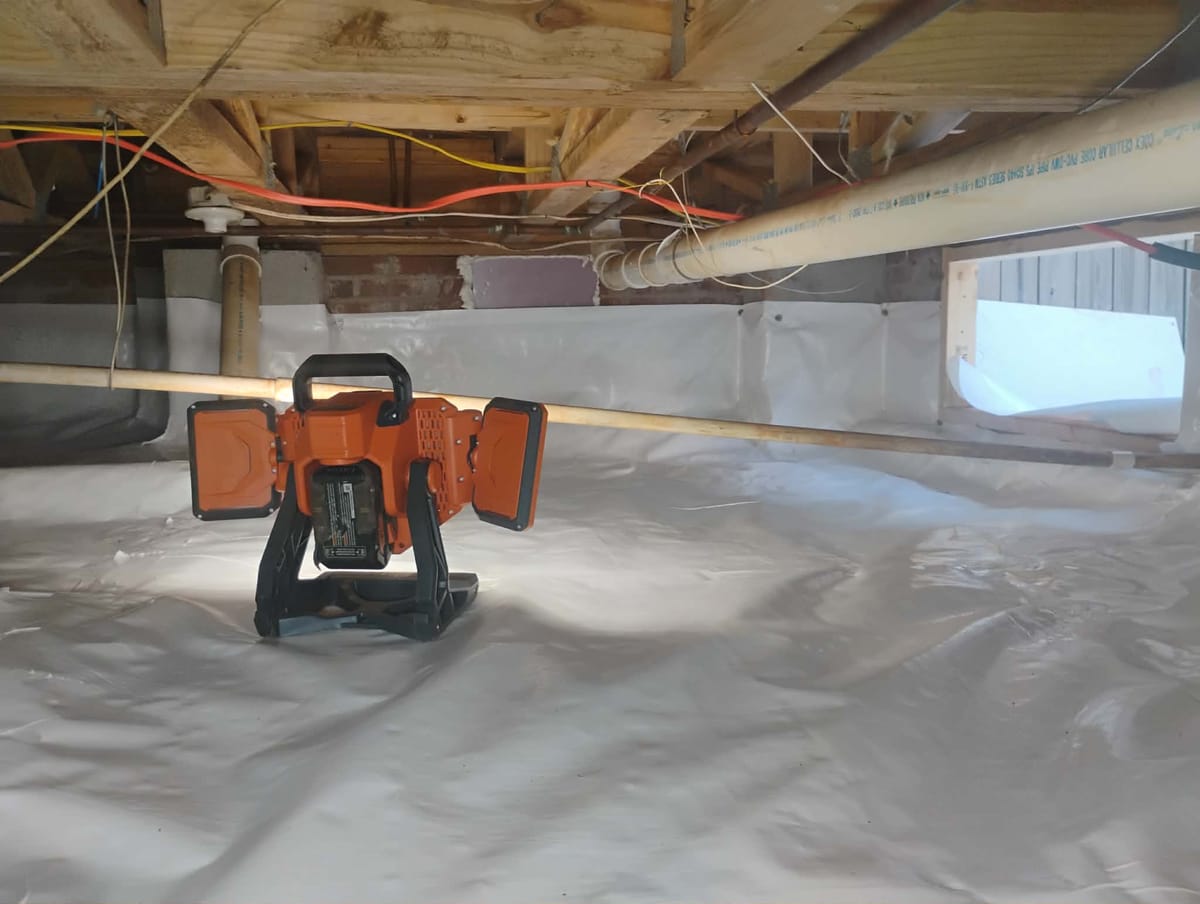
Upstate South Carolina’s humidity is more than a summer annoyance—it is a persistent threat hidden under your home, often causing silent crawl space damage that becomes expensive over time. Humid air entering through vents, persistent ground moisture, and seasonal storms all combine to create a perfect storm for mold, wood rot, structural decay, and poor indoor air quality. To truly protect your home, it’s essential to understand why crawl spaces stay damp in South Carolina, how different types of moisture issues evolve, and what preventative action you can take to avoid long-term, costly repairs.
At JHS Crawlspace Specialist, we’ve seen firsthand how quickly a neglected crawl space can escalate into floor issues, musty indoor air, and serious structural problems. As Upstate crawl space experts, we believe informed homeowners are best equipped to act before moisture becomes a crisis. This guide explains why crawl spaces in South Carolina require unique care and shares practical, proven steps to defend your property for decades.
SEO-Optimized Details
- SEO Title: How South Carolina's Humidity Damages Crawl Spaces (And What Homeowners Can Do)
- Meta Title: How South Carolina's Humidity Damages Crawl Spaces
- Meta Description: Discover how Upstate South Carolina's humidity harms crawl spaces, the real differences between high humidity, condensation, and standing water, warning signs to watch for, and expert solutions from JHS Crawlspace Specialist. Includes actionable tips for homeowners on encapsulation, vapor barriers, dehumidifiers, drainage, and long-term crawl space maintenance.
- Suggested URL Slug: /blog/south-carolina-humidity-crawl-space-damage
- Primary Keyword: crawl space encapsulation South Carolina
- Secondary Keywords: crawl space moisture control, vapor barrier installation, crawl space dehumidifier, crawl space inspection, crawl space waterproofing, musty crawl space smell, crawl space repair Spartanburg SC
Why Crawl Spaces Stay Damp in South Carolina
South Carolina’s Upstate climate means that humidity, rainfall, and clay-heavy soils make crawl spaces especially vulnerable. Most homes in the region were built with vented crawl spaces, which allow moist outdoor air to circulate through cooler, shaded areas below the home. When this humid air hits cooler wood, pipes, or insulation, it condenses—leading to persistent dampness all spring, summer, and fall. Compounding this issue are shallow water tables and poor yard drainage, resulting in ground moisture steadily rising into the crawl space even when no standing water is visible.
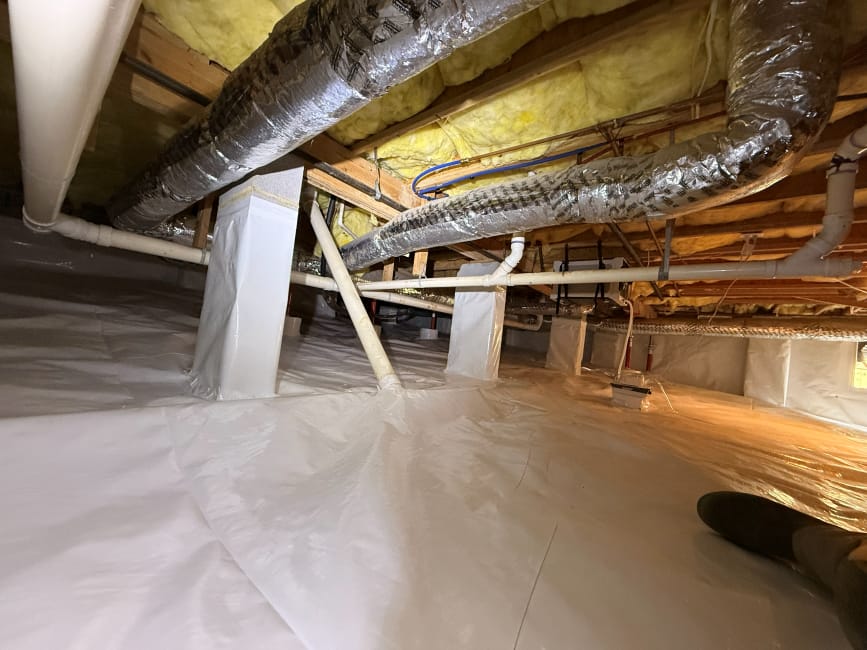
Even brief periods of dampness can lead to chronic problems as moisture is absorbed by subflooring, floor joists, and insulation. This cycle repeats with every storm, every muggy morning, and every southern summer—quietly damaging your home from the ground up.
The Difference Between High Humidity, Condensation, and Standing Water
- High Humidity: Air under the home contains excess water vapor, usually above 60% relative humidity, which softens wood, saturates insulation, and supports microbial growth.
- Condensation: Water droplets form on pipes, ducts, and wooden framing when moist air touches a cooler surface—this can soak insulation and trigger wood damage even with no flooding present.
- Standing Water: Obvious puddles or pools collect on crawl space floors due to poor drainage, exterior runoff, or plumbing leaks. This often signals urgent structural risk and a need for corrective drainage before any sealing work.
Many Upstate homes exhibit all three moisture types, especially after heavy rain or during summer heat. It’s important to identify which types are present since solutions are not one-size-fits-all.
Signs Homeowners Should Look For
- Musty or earthy odors, especially on the first floor
- Persistent or seasonal high home humidity
- Condensation on ductwork or insulation
- Sagging, soft, or uneven floors
- Fallen or soaked insulation under the home
- Visible mold or mildew on framing
- Rising energy bills or HVAC issues
- Rusty pipe clamps, duct straps, or fasteners
- Noticeable increase in indoor pest problems
- Standing water or muddy soil after storms
If you notice two or more of these indicators, it’s time for a professional crawl space inspection. Early intervention prevents small moisture issues from snowballing into structural repairs, health hazards, and resale complications.
How Excess Moisture Damages Floor Joists, Subfloors, Insulation, and Indoor Air Quality
Even moderate crawl space humidity leads to continuous wood exposure, weakening subfloor sheathing and floor joists. Over time, moist wooden structures lose strength, develop rot, and begin to sag. Insulation, especially fiberglass batts, becomes waterlogged, falls away from the subfloor, and often turns into a breeding ground for mold.
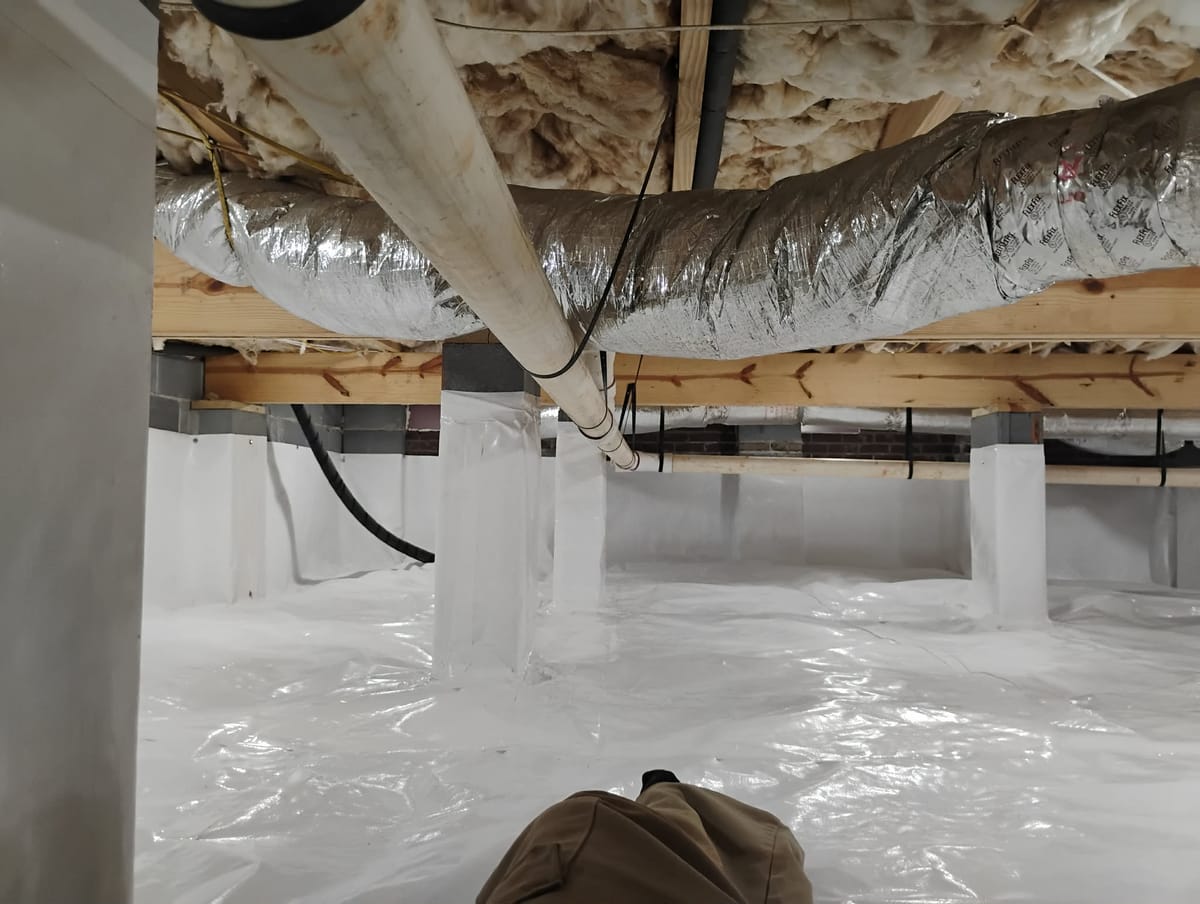
As moisture builds, crawl space air—with its spores, odors, and humidity—rises into the home through a process called the “stack effect.” This directly affects indoor air quality and can complicate respiratory conditions, especially for families with children, seniors, or allergies.
Why Mold, Fungi, Musty Odors, and Pests Thrive in Damp Crawl Spaces
Microbial growth—including mold, mildew, and fungi—is inevitable when moisture meets organic material in still, dark areas. Crawl space framing, insulation backing, dust, and even cardboard boxes can all serve as fuel for growth. The result: pronounced musty odors that linger inside the home, increased pest invasions, and even visible surface deterioration.
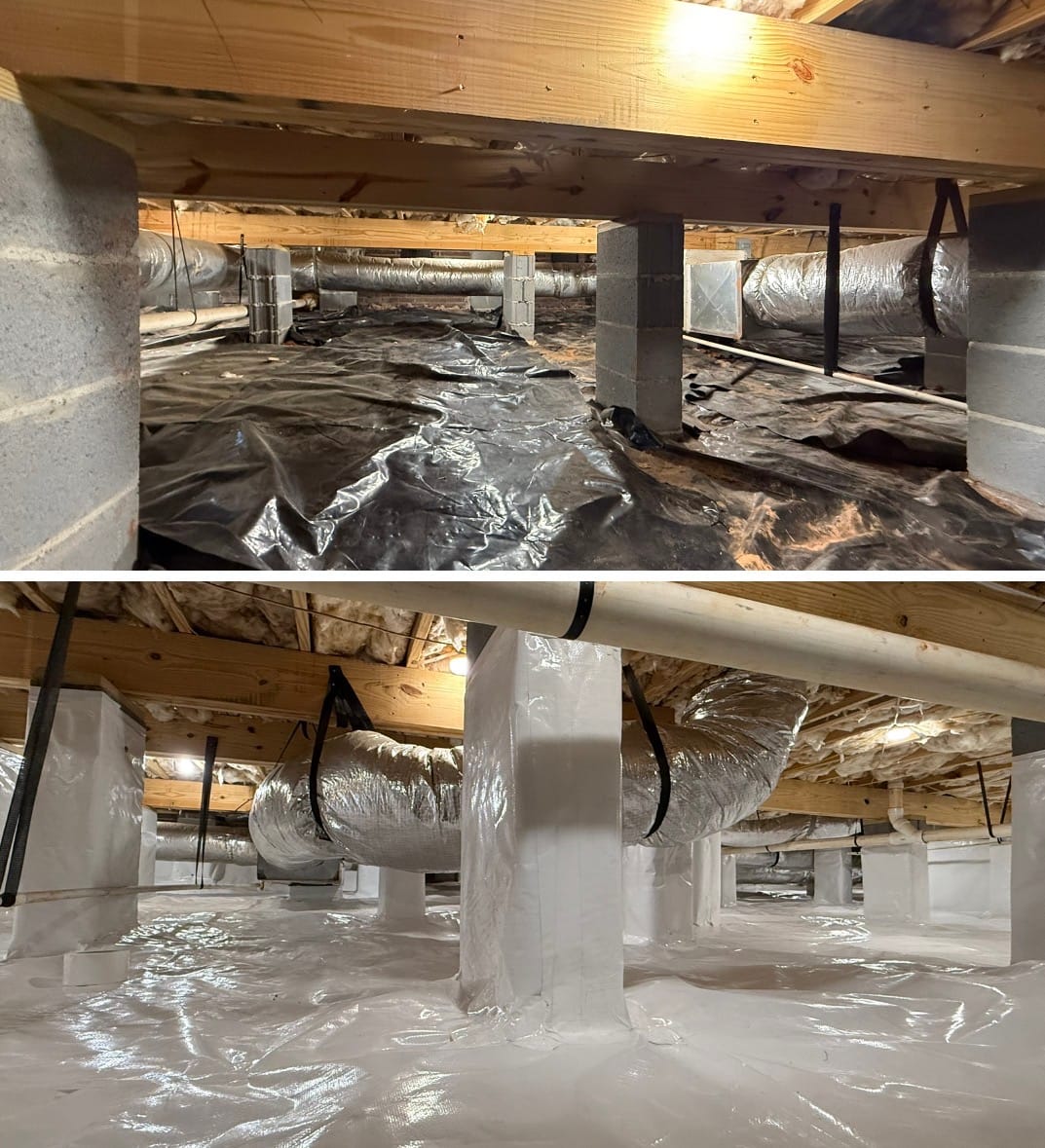
Uncontrolled moisture also attracts ants, cockroaches, rodents, and termites. Some of these pests nest in wet insulation, while others burrow into the soil or framing. In Upstate SC, even a short-lived damp spell can produce months of headaches for homeowners.
When Drainage Should Be Corrected Before Encapsulation
Encapsulation does not solve active water intrusion. If your crawl space develops puddles after rain, always feels muddy, or water enters through walls or the foundation, start by correcting drainage. This may involve grading, gutter upgrades, or installing drainage tile.
- Pools of water after storms
- Damp soil and “squelch” underfoot
- Visible entry points for runoff
- Gutters or downspouts discharging near the foundation
A trusted company like JHS Crawlspace Specialist will always evaluate and recommend fixing water management before beginning any encapsulation or vapor barrier project, ensuring your investment lasts.
The Difference Between a Vapor Barrier and Full Crawl Space Encapsulation
| System | What It Does | Who Needs It |
|---|---|---|
| Vapor Barrier | Heavy-duty liner covers the crawl space floor to reduce moisture rising from the soil | Homes with minor ground dampness but no persistent humidity or water intrusion |
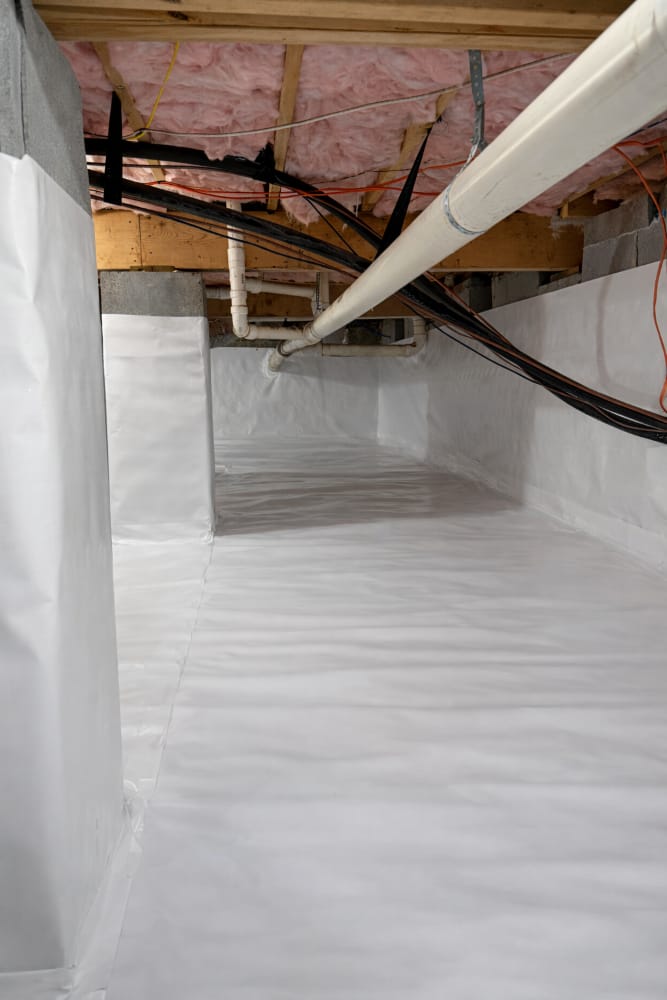
| Full Encapsulation | Seals floor, walls, vents, and piers, combined with a commercial-grade dehumidifier for total moisture control | Homes with high humidity, mold, odors, or recurring crawl space trouble |
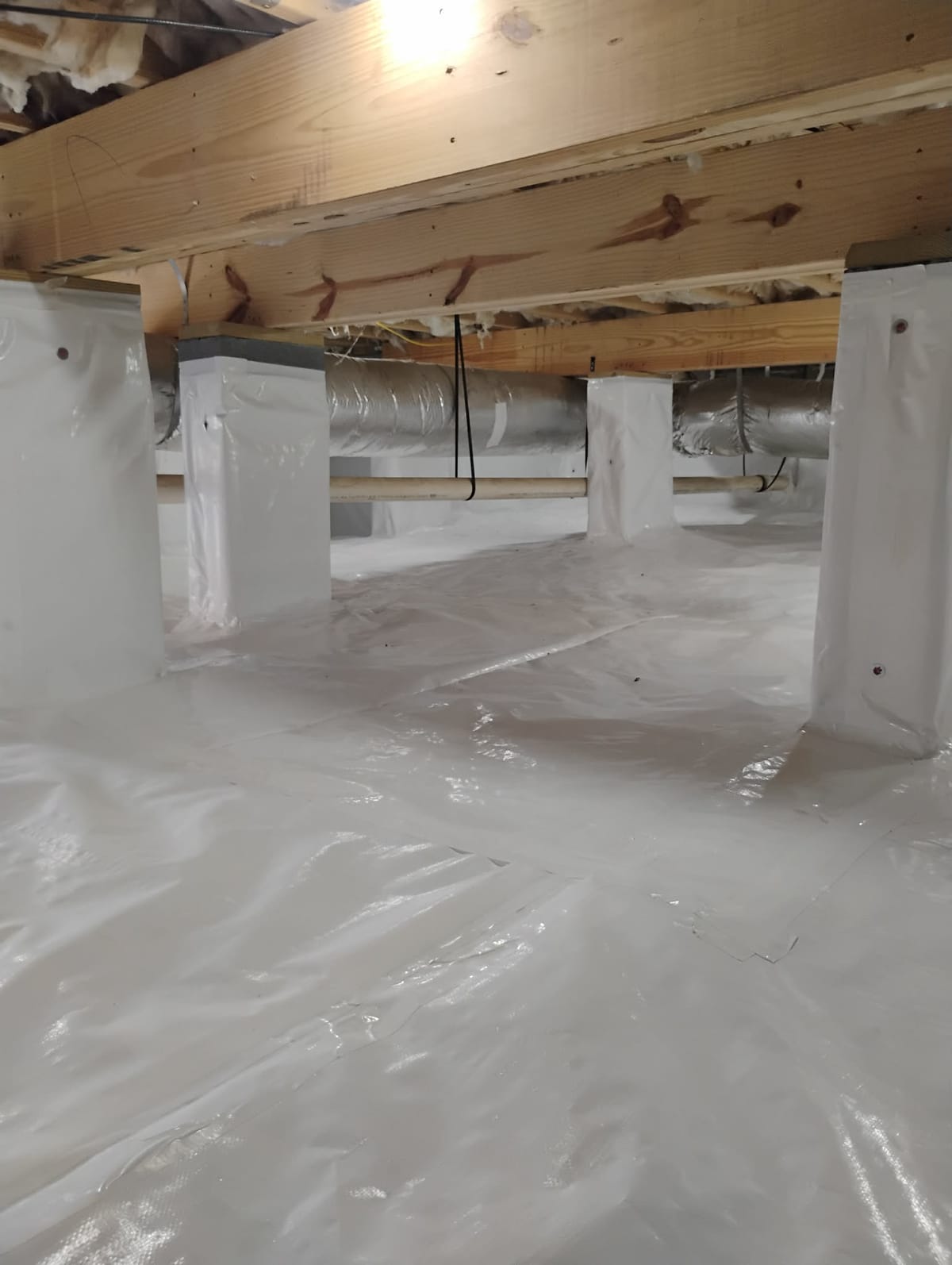
Vapor barriers offer a significant upgrade compared to bare soil, but alone they don’t address open vents or humid air. Full encapsulation stops outside air, reduces mold risk, and makes a permanent improvement in structural protection and home comfort.
Why a Crawl Space Dehumidifier Is Important After Sealing the Crawl Space
Even after a crawl space is carefully sealed and lined, some moisture remains in wood, insulation, and minor air leaks. Without a properly-sized crawl space dehumidifier, this residual humidity can still allow mold to flourish, especially during muggy South Carolina summers.

A crawl space dehumidifier, professionally installed and monitored by JHS Crawlspace Specialist, keeps relative humidity below critical levels (typically under 55%), making it much less likely for new moisture problems to develop. It is the finishing touch that turns a sealed crawl space into a defendable, healthy environment.
Common Homeowner Mistakes That Make Moisture Problems Worse
- Leaving vents open, allowing muggy air into the crawl space
- Using thin, unsealed, or torn vapor barriers
- Ignoring minor plumbing leaks or condensation drips
- Replacing insulation before resolving underlying moisture
- Letting yard drainage issues persist
- Running fans or dehumidifiers in unsealed crawl spaces
- Delaying service until floors sag or odors are severe
Homeowners often try band-aid solutions or quick fixes that miss the underlying causes. A clear, step-by-step professional plan is far more effective than a collection of short-term tactics.
When to Schedule a Professional Crawl Space Inspection
It’s always wise to schedule a professional inspection if you notice any of the warning signs described earlier—especially musty odors, high humidity, or visible water. Homebuyers, sellers, property managers, and anyone with a failed CL100 or home inspection report should also have their crawl space evaluated promptly.
A full assessment by JHS Crawlspace Specialist includes humidity and moisture measurements, photo documentation, and an honest written report. You receive pressure-free recommendations focused on permanent solutions, not just a sales pitch.
- Crawlspace Encapsulation in Spartanburg, SC
- Vapor Barrier Installation in Spartanburg, SC
- Crawlspace Dehumidifier Installation in Spartanburg, SC
- Free Crawlspace Inspections
Long-Term Maintenance Tips After Repairs or Encapsulation
- Inspect gutters and downspouts annually to prevent pooling near the foundation
- Check crawls after major storms or seasonal transitions
- Monitor crawl space dehumidifier (if installed) and ensure proper drainage
- Keep the access door well-sealed and free of damage
- Avoid storing cardboard or organic materials under your home
- Schedule recurring inspections if your home has a history of moisture issues
These steps help protect your investment and maintain healthy indoor air long-term, helping you get the full durability and comfort benefits from your encapsulation or vapor barrier system.
Frequently Asked Questions
What humidity level is too high for a South Carolina crawl space?
Humidity above 60% is typically a sign of trouble. Most crawl space specialists target 55% or lower to prevent mold, wood rot, and insulation damage.
Will a vapor barrier alone fix crawl space dampness?
A vapor barrier cuts ground moisture but is not a complete solution if high humidity, open vents, or water intrusion are also contributing factors.
Why does my house smell musty on humid days?
Musty odors are often pulled from the crawl space up into your home, especially through flooring and ductwork, whenever humidity increases below the home.
Do all crawl spaces need full encapsulation?
Not always, but encapsulation is the gold standard for homes with persistent humidity, mold, sagging floors, or air quality issues below the main living area.
Should I fix drainage before crawl space encapsulation?
Yes. Any active water issues need to be managed first. Encapsulation is only effective if water is not continuously entering the crawl space.
How often should I check or maintain my crawl space?
Gutters, drainage, and the crawl space itself should be inspected seasonally or after severe weather events. Encapsulated crawl spaces require less frequent but regular checks.
How does encapsulation help indoor air quality?
Encapsulation blocks musty air, mold spores, dust, and humidity from rising into the home, lowering allergy and respiratory risks and making the house smell fresh.
Can I see real examples of JHS Crawlspace Specialist work?
Yes. Explore before-and-after crawl space transformations in our project gallery to see what professional encapsulation or repairs look like in Upstate SC homes.
Take the Next Step—Protect Your Home with Confidence
Do not wait until musty odors, sagging floors, or high humidity become a crisis for your Upstate South Carolina home. A free, honest crawl space inspection from JHS Crawlspace Specialist gives you a clear diagnosis, photo documentation, and real solutions—never pressure, just facts and craftsmanship focused entirely on crawl space health. Ready to have peace of mind under your home? Schedule your free crawl space inspection today and take the first step toward a drier, healthier home for your entire family.