Why Are the Air Ducts Sweating Under My House?
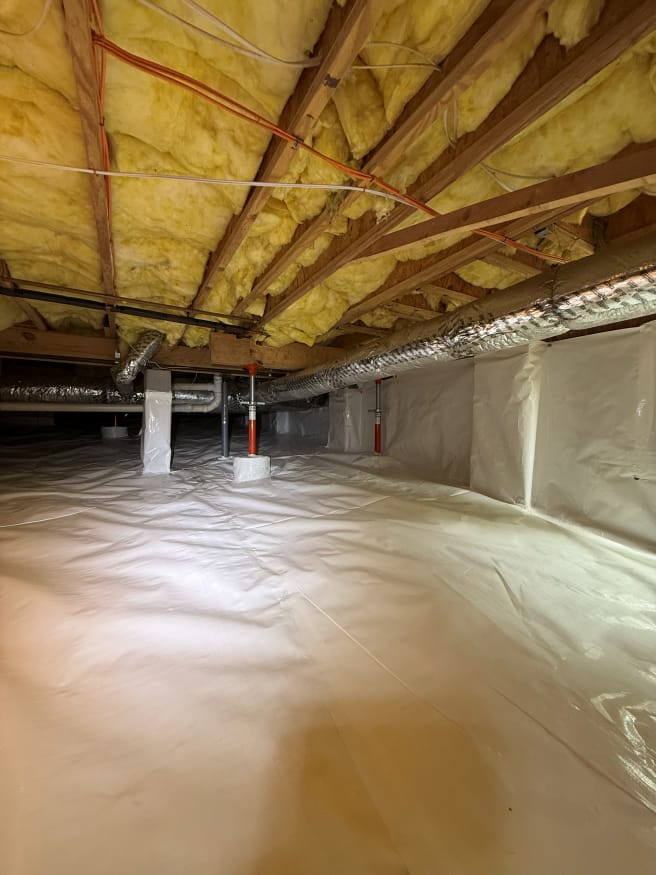
If you are noticing water droplets forming on the air ducts under your house, you are not alone—this is a very common concern among homeowners, especially in the humid climate of Upstate South Carolina. "Sweating" ducts are more than just a cosmetic problem. They are a sign that your crawlspace environment is out of balance, putting your comfort, indoor air quality, and your home's long-term structural health at risk.
At JHS Crawlspace Specialist, we investigate and resolve sweating duct issues in Spartanburg, Greer, Boiling Springs, Inman, and surrounding Upstate communities every week. Our experience shows that sweating ducts are almost always a symptom of deeper crawlspace moisture problems—not a minor, isolated HVAC issue. Understanding why this happens and what to do next is critical if you want to avoid mold, wood damage, and high energy bills.
What Is Duct "Sweating"?
Duct sweating refers to condensation that forms on the outer surface of your HVAC ductwork. It happens when moist, warm air in the crawlspace comes in contact with the much colder surface of your air conditioning ducts. When the temperature of the metal or insulated duct drops below the air’s dew point, moisture transforms from vapor into liquid, leading to visible droplets on the ducts, soaked insulation, or drips onto the crawlspace floor.
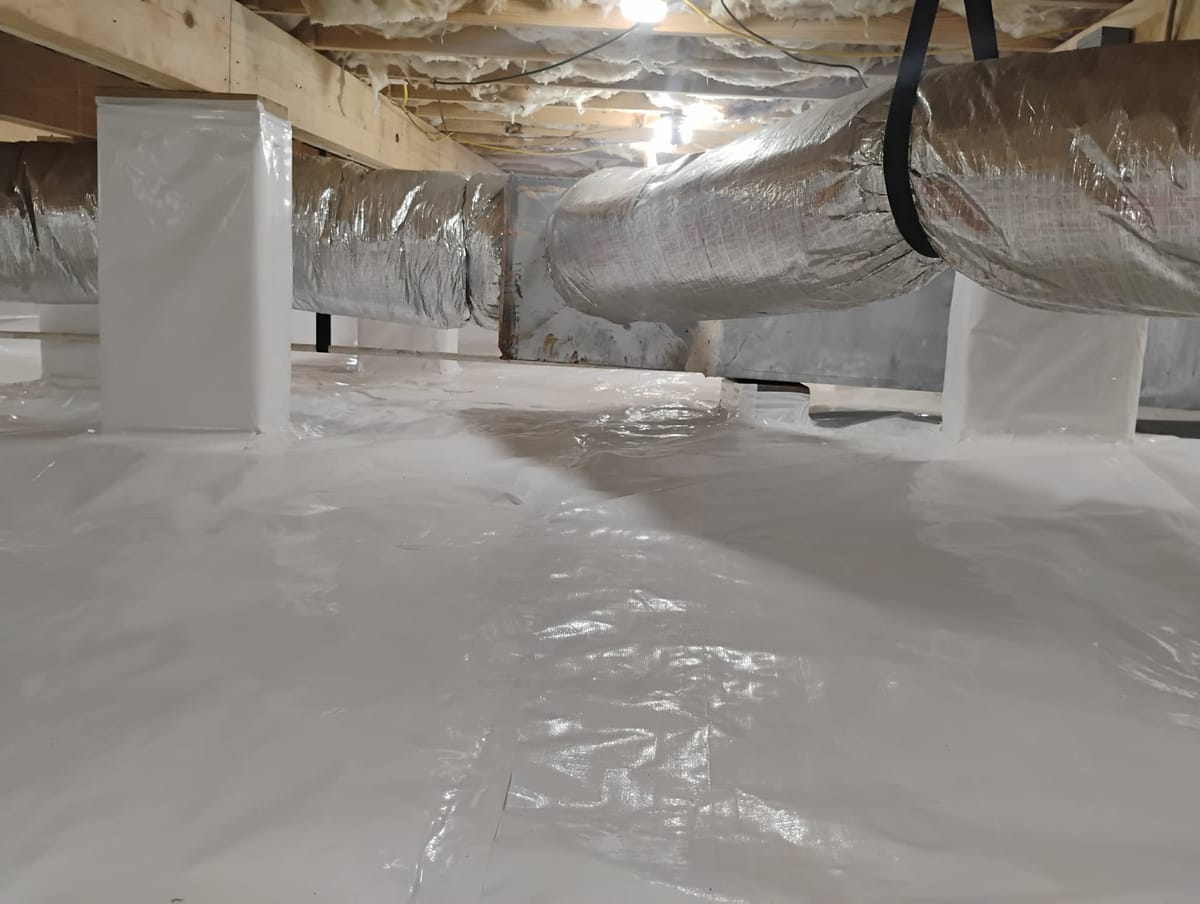
While condensation may look simple, persistent duct sweating is almost always caused by a combination of crawlspace humidity, poor insulation, air leaks, or unsealed foundations.
Why Ducts Sweat Under Houses—Key Causes in South Carolina Homes
- High Humidity in Crawlspace: Soil moisture, inadequate vapor barriers, standing water, and humid external air entering through vents can drive humidity above 60%, making condensation much more likely.
- Poor or Missing Duct Insulation: Insufficient, damaged, or waterlogged insulation allows warm, moist crawlspace air to hit cold ducts directly.
- Leaky Ducts: Even minor air leaks at seams, joints, or connections can pull crawlspace humidity into the duct or chill the area further as cold air escapes into the space around the duct.
- Dirty Filters or Weak Airflow: When the HVAC system is out of balance, the ducts can become colder than intended, increasing the risk of condensation.
- Vented/Unsealed Crawlspace: Open or poorly sealed vents bring outdoor humidity inside, raising the dew point around your ductwork—this is especially problematic during Upstate SC summers.
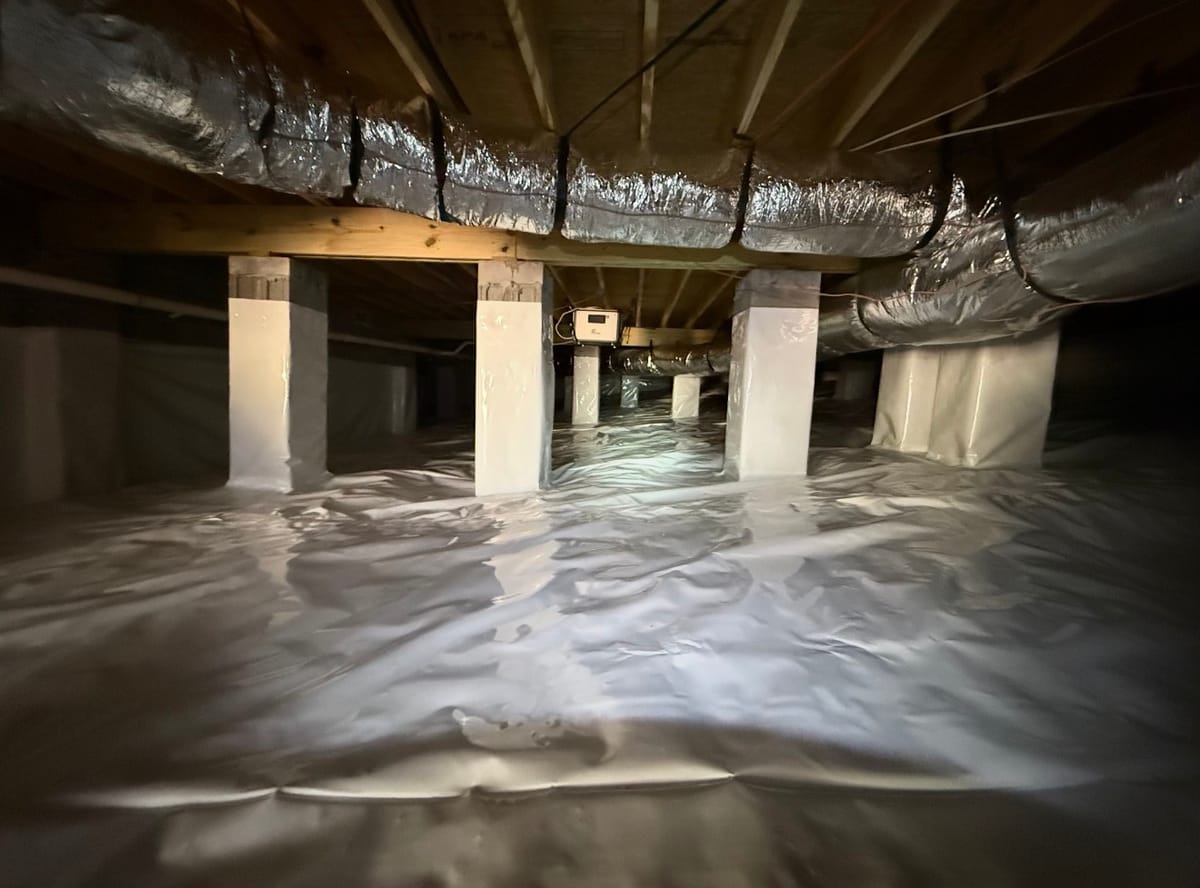
Symptoms and Risks of Sweating Ducts in Crawlspaces
Some signs are easy to notice, while others are subtle and can cause decades of hidden damage if not addressed:
- Visible water droplets or "beads" on ductwork
- Falling, damp, or moldy insulation
- Musty smells from below the home
- Sagging, soft, or bouncy floors above the crawlspace
- Staining, rot, or mold on wood framing and subfloor
- Unexplained spikes in indoor humidity or energy bills
Left unresolved, duct condensation will wet insulation and wood daily during cooling season. Over time, this dramatically increases the risk of wood rot, compromised insulation, allergic reactions, and mold.
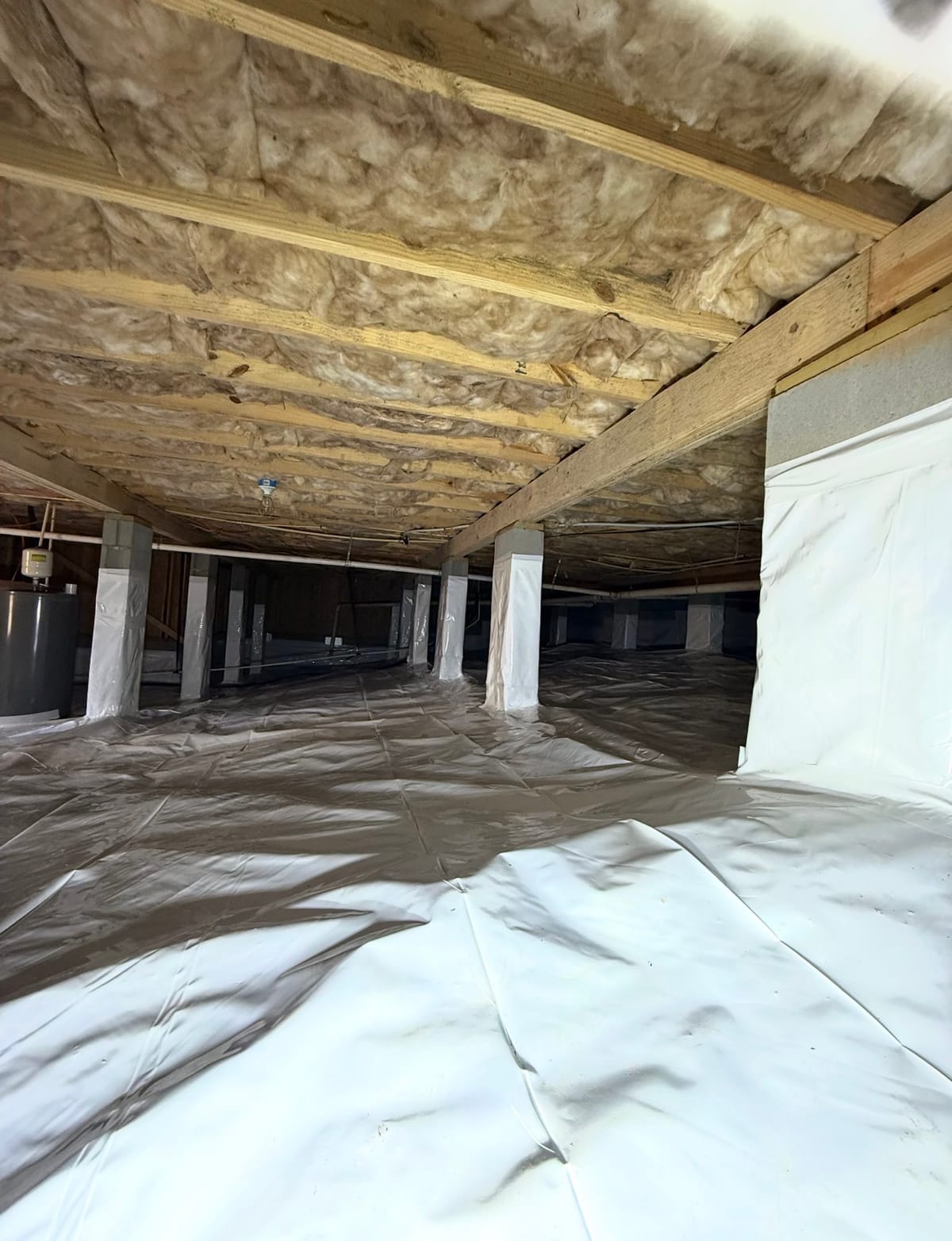
Step-by-Step: How JHS Crawlspace Specialist Approaches Sweating Ducts
- Comprehensive Crawlspace Evaluation: Our team examines the crawlspace for humidity levels, wet soil, standing water, and ventilation pathways. We also check the state of duct insulation, look for air leaks, and scan for early mold or rot.
- Duct Insulation Assessment: We inspect for missing, compressed, or water-damaged insulation and determine where new or upgraded duct wrap is required.
- Locate and Seal Duct Leaks: Gaps at seams, joints, or flex connections are common. Proper sealing prevents humid air from being drawn in, reducing condensation risk.
- Upgrade or Replace Damaged Insulation: Wet or failing insulation is replaced so the duct stays thermally protected from humid crawlspace air.
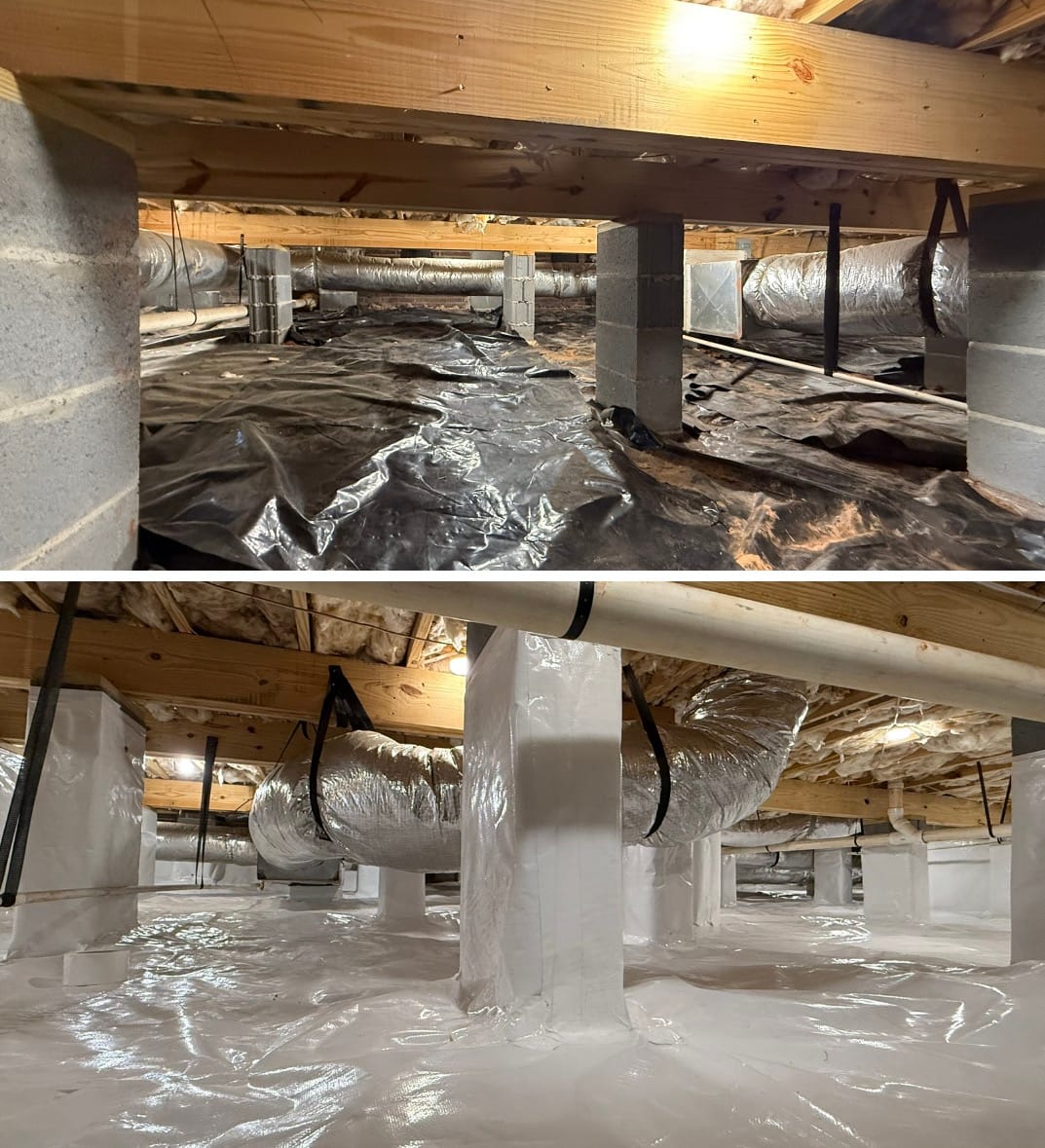
- Control Crawlspace Humidity at the Source: We install heavy-duty vapor barriers, seal vents, and recommend a professional crawlspace dehumidifier to keep levels consistently below 60%.
- Crawlspace Encapsulation (When Needed): For recurring or severe issues, we provide encapsulation services, wrapping ground and walls with a continuous vapor barrier and adding dehumidification for year-round moisture control. Learn more about our encapsulation process.
- HVAC System Coordination: If airflow, filter issues, or very cold duct surfaces are suspected, we work with local HVAC pros to address those causes in tandem with moisture fixes.
Why Full Crawlspace Encapsulation Is the Proven Solution
In humid Upstate climates, piecemeal fixes rarely stop duct sweating for good. As we have seen in hundreds of projects, the only truly reliable solution is to create a dry, stable environment under your home.
JHS Crawlspace Specialist uses a multi-step, building-science-based approach:
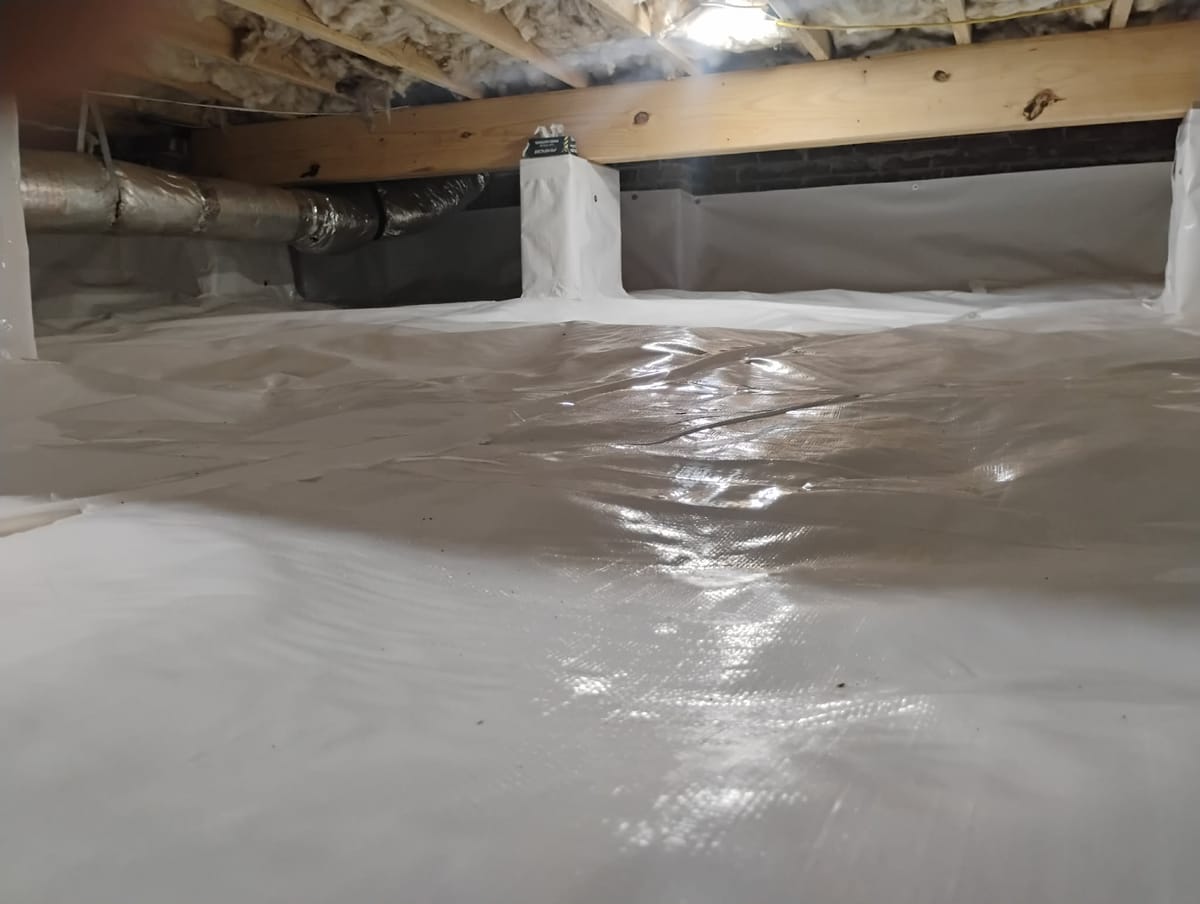
- Install a heavy-duty vapor barrier (walls and ground)
- Seal all vents and openings to block outdoor humidity
- Wrap and seal support piers where needed
- Add a crawlspace-rated dehumidifier to maintain healthy humidity
- Repair or replace duct insulation and ensure drains are clear
- Inspect and update crawlspace doors for a tight air seal
This system is proven to keep ducts, insulation, and wood dry—even during South Carolina’s muggiest months. Blocking moisture at multiple entry points not only resolves sweating ducts but also improves air quality and supports lower energy bills.
Best Practices to Prevent Returning Duct Sweating
- Monitor crawlspace humidity regularly, aiming to stay below 60%.
- Keep vapor barriers intact and well-sealed. Learn when to repair or replace a torn vapor barrier.
- Inspect duct insulation annually for wet, compressed, or missing areas.
- Address crawlspace odors right away—they are an early warning sign of rising humidity.
- Seal or replace leaky crawlspace doors and vents as needed.
- Get a free professional crawlspace inspection when in doubt to catch small issues early.
Frequently Asked Questions
Is sweating ductwork always a heating/air-conditioning problem?
Not always. HVAC issues can contribute, but in Upstate South Carolina, crawlspace humidity and poor insulation are often the leading causes. A complete evaluation by specialists like JHS Crawlspace Specialist avoids misdiagnosis.
Should I add more duct insulation or fix my crawlspace first?
Both are often needed for a permanent solution. Insulation helps but will stay soggy (and ineffective) if the crawlspace remains humid. We recommend resolving ground moisture and ventilation first, followed by duct repair.
Can a vapor barrier alone stop condensation?
A vapor barrier is essential but is most effective when combined with vent sealing and crawlspace dehumidification—this trio creates lasting control.
How fast does mold appear if duct sweating is ignored?
Mold can grow quickly in warm, damp conditions, sometimes within weeks. Even if mold isn’t visible, prolonged excess moisture can trigger wood rot, allergen growth, and structural problems.
How do I know when it’s time to get help from an expert?
If you see active condensation that comes back after drying, smell mustiness inside, notice damp insulation, or have ongoing crawlspace humidity above 60%, a professional evaluation is the best next step.
Why Local Expertise Matters in Upstate South Carolina
Many national solutions fail to account for the specific soil, climate, and building practices of our region. At JHS Crawlspace Specialist, we have deep experience with the red clay soils, humid summers, and vented-crawlspace challenges common to homes across Spartanburg, Greer, Boiling Springs, and Inman. Our inspection process is straightforward, honest, and designed to target the real causes—instead of "selling" temporary quick fixes.
Don't let sweating ducts become a long-term risk to your family's comfort and your investment. Learn more about professional moisture solutions, honest local service, and what a free crawlspace inspection includes, or see real project results from homeowners just like you.
If you are dealing with sweating ducts, high humidity, or musty crawlspace odors, contact JHS Crawlspace Specialist. We are the Upstate’s trusted leader for crawlspace encapsulation, vapor barriers, dehumidifiers, and long-term moisture control—from honest inspection through expert installation.