Before You Accept a Crawl Space Encapsulation Quote: Ask What the Inspection Found
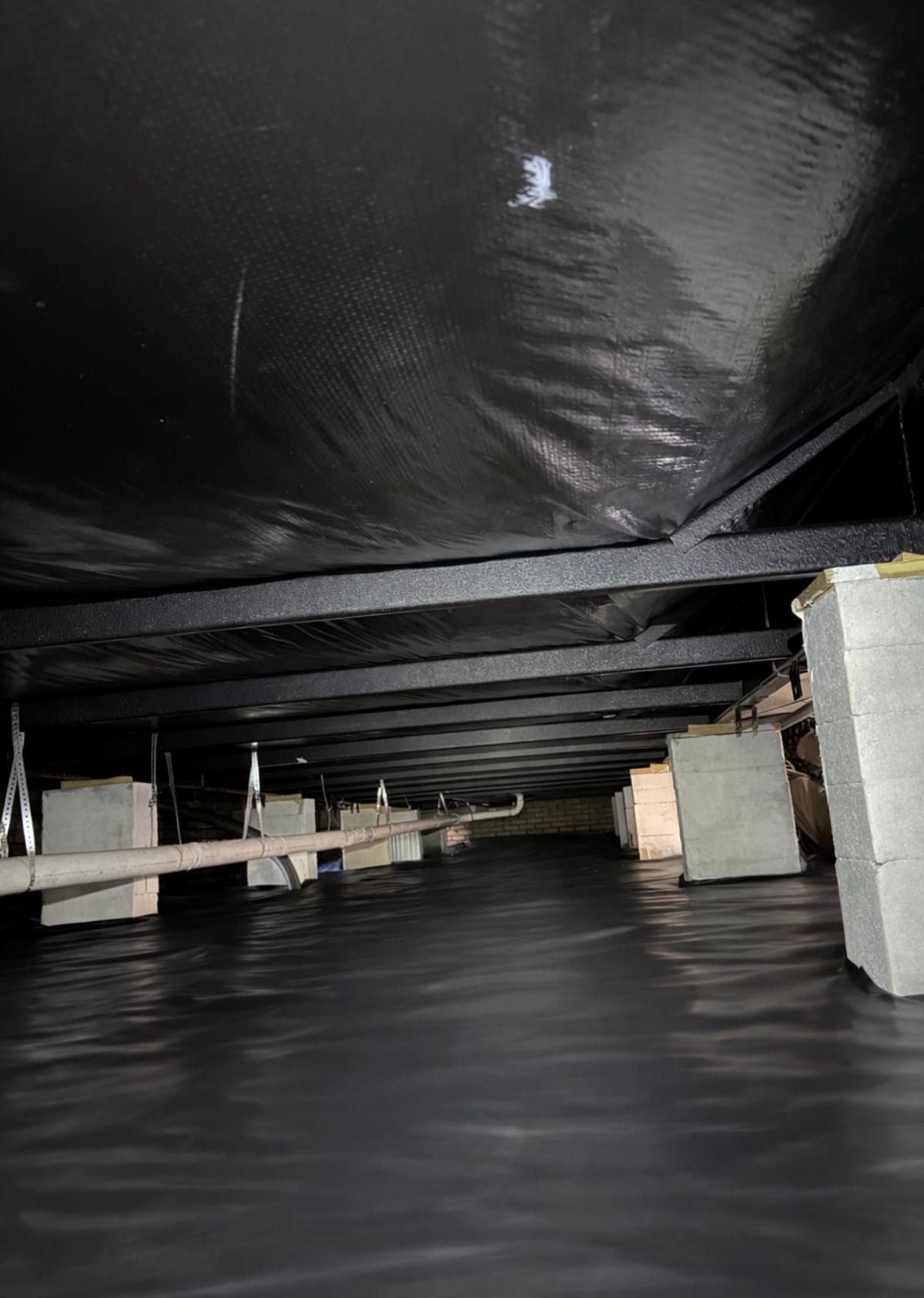
If you are comparing crawl space encapsulation quotes in Spartanburg or Greenville, start with one question: what did the inspection actually find? A package name and a total price do not explain which work your home needs.
I’m Nathan Johnson, owner of JHS Crawlspace Specialist. My approach is to explain the findings, show you what is underneath your home, and recommend work that fits those conditions. Some homes need a full encapsulation. Others need a smaller correction.
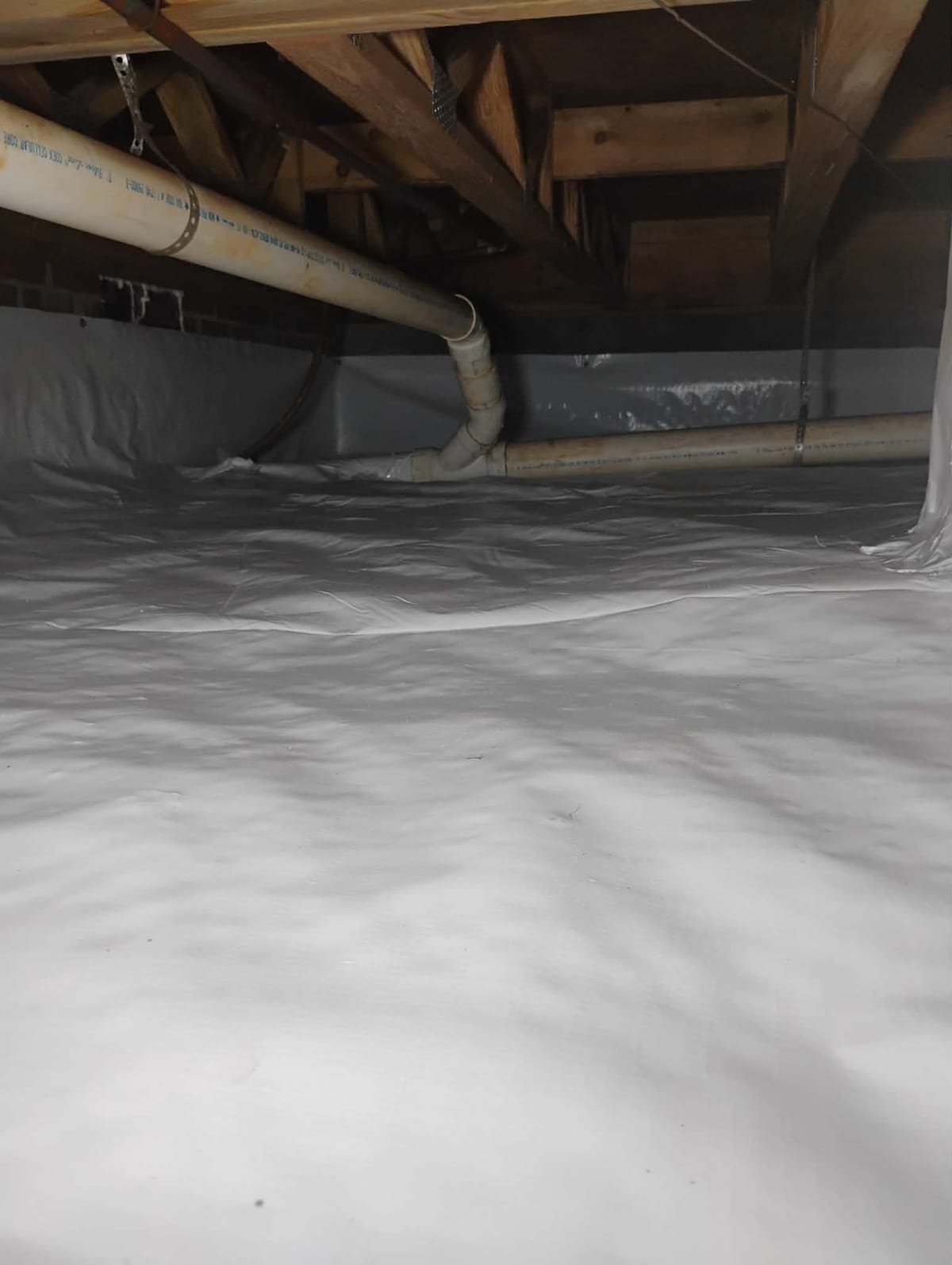
Illustrative crawl space photo, not an inspection finding for your home.
Ask where the moisture is coming from
Ask the inspector to distinguish liquid water from ground moisture and humid air. Plumbing leaks, rainwater entry, exposed soil, and condensation can require different corrections. A liner helps control ground vapor; it does not repair a plumbing leak or replace a needed drainage plan.
If standing water is present, ask where it enters, how it will be collected or redirected, and where it will discharge. A sump pump is one possible tool, not an automatic requirement for every crawl space.
Ask for photos and readings with context
A humidity reading is more useful when you know where and when it was taken. Ask what the photos show, which areas were accessible, and whether the inspector found damaged wood, wet insulation, leaking equipment, or gaps in the existing ground cover. One number or one photograph should not be used to make every home sound like the same job.
If there are signs of structural damage, ask whether a separate evaluation is needed before moisture work begins. Encapsulation should not be presented as a repair for every foundation or framing problem.
Find out what stays and what goes
Good insulation does not automatically need to be removed just because a crawl space is being encapsulated. Its condition and the proposed insulation design matter. Ask why removal is recommended, what will replace it if needed, and whether those costs are included. Wet, damaged, or contaminated materials deserve a specific plan.
Compare the written scope
Ask each contractor to identify the liner coverage, seam treatment, wall and pier details, vent and door work, and any drainage or dehumidification included. Ask which items address observed conditions and which are optional. Two proposals can have very different scopes even when both say “encapsulation.”
For a dehumidifier, discuss its location, power supply, condensate route, and access for cleaning and service. For drainage, ask about collection, discharge, and future maintenance. Inspection access and required termite inspection clearances should be addressed in the plan.
Get exclusions and upkeep in writing
A clear proposal should explain what is outside the job, such as plumbing, electrical, structural, or pest work that needs another professional. Ask who handles each part and whether it must happen before installation.
Also ask what you should monitor afterward, what maintenance is expected, and which warranty terms apply. An attractive finished liner is only part of the picture. You should understand how the system works and how it can be inspected later.
You can read about our crawl space encapsulation service or request an inspection. Call me at 864-804-9384 for straight answers about your Spartanburg, Greenville, or Upstate home. If you do not need a full encapsulation, I will tell you.