Bought a Home With an Encapsulated Crawl Space? What to Check Before Paying for More Work
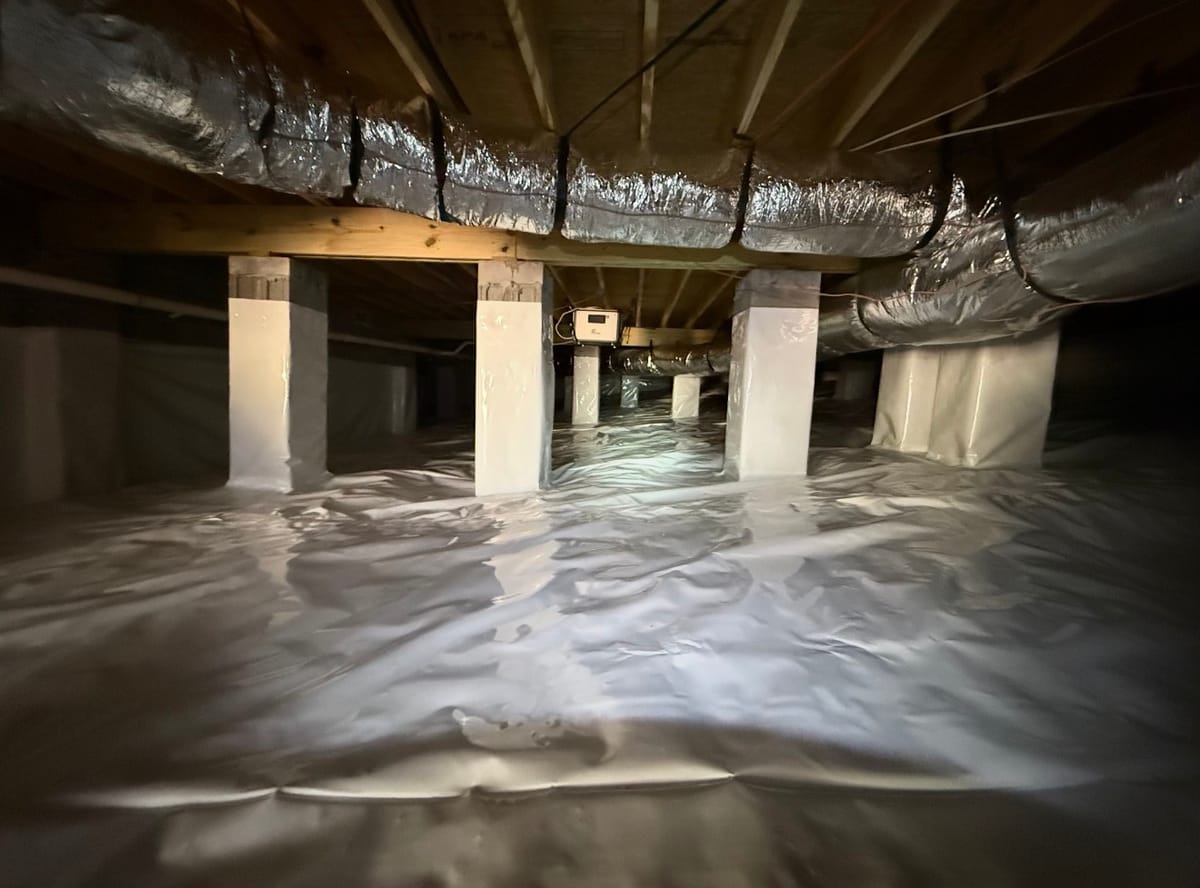
If you bought a home with an encapsulated crawl space, it is reasonable to wonder whether the work underneath it is doing its job. You may have a clean white liner and a dehumidifier, but little information about who installed them or what problems they were meant to address.
My starting point is simple: find out what is there and how it is performing before recommending more work. An existing encapsulation does not automatically need to be torn out.
Start with the records you already have
Ask the seller, previous installer, or your closing-file contact for the original scope, installation date, invoice, and equipment information. Look for service records and the actual warranty documents, too.
Those records help distinguish what was included from what was never part of the project. A ground vapor barrier and a complete encapsulation are different scopes. Warranty coverage and transfer requirements also vary, so do not assume a previous owner's paperwork automatically provides coverage for you.
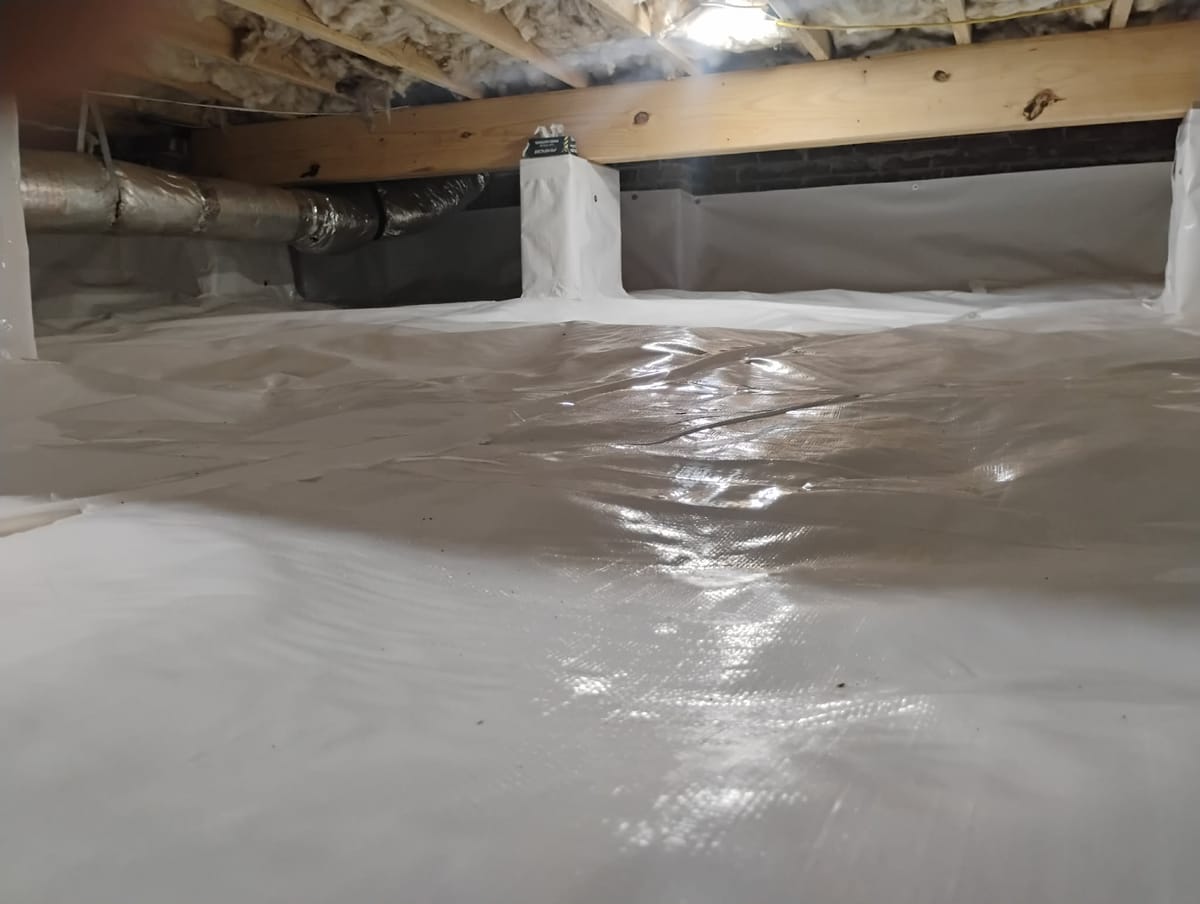
Look beyond the color of the liner
A liner can look tidy near the entrance while an issue sits farther back. A useful inspection documents seams, wall attachments, openings around piers and penetrations, and any accessible areas of exposed soil or damaged material. Photos should show the findings clearly.
That does not mean every loose seam calls for a whole new system. Ask which areas are sound, which need attention, and why. If something is inaccessible, the inspection should say so rather than guess.
Check water sources and equipment together
Moisture can have more than one source. An inspector should consider plumbing leaks, exterior drainage, evidence of water entry, and the condition of the installed moisture-control system. Adding fresh liner does not correct an unresolved liquid-water source.
If a dehumidifier is present, check its operation, maintenance needs, and drainage route. A unit being plugged in is not the same as confirming that it is removing moisture and draining properly. Existing pumps or drains should be assessed where present; their absence alone does not prove the home needs them.
Humidity and wood-moisture observations can help describe current conditions. Ask where and when readings were taken and how they fit with the visible evidence. One reading on one visit cannot establish year-round performance.
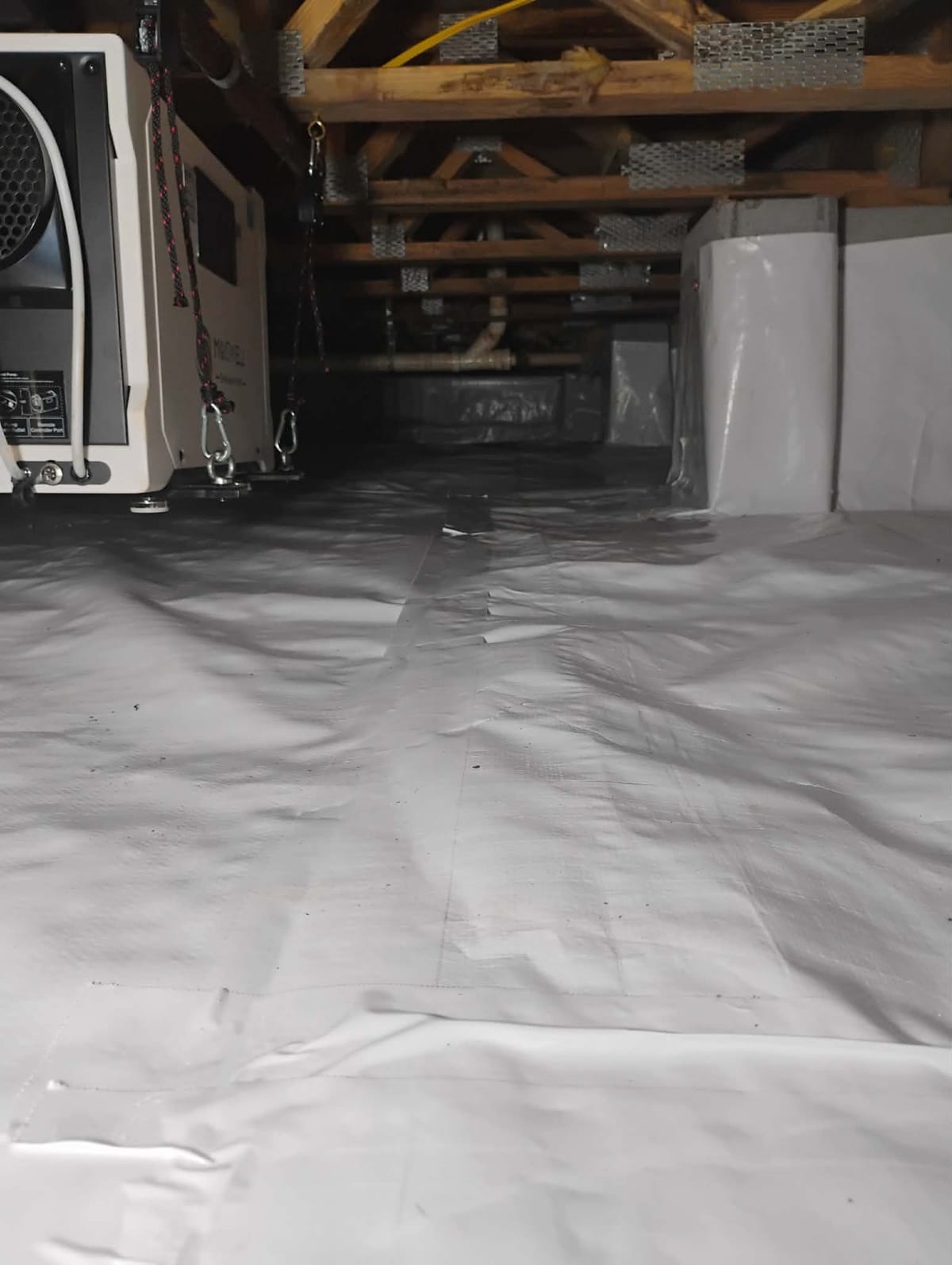
Separate maintenance from replacement
An inspection might identify an isolated liner repair, equipment service, or a drainage problem. It may also show that parts of an existing installation are worth keeping. Broader corrective work should have a documented reason, not just a recommendation to start over.
Before approving a proposal, ask: What specific problem will this work solve? What can stay? What needs to happen first? How will we check the result afterward? A written scope should make those answers understandable.
Get an assessment without the pressure
You do not need to crawl under the house yourself to get useful answers. If access or conditions are unsafe, leave the inspection to a qualified professional and request photos and written findings.
I'm Nathan with JHS Crawlspace Specialist. For homeowners in Spartanburg, Greenville, and the Upstate, our crawl space encapsulation recommendations start with the inspection. Call 864-804-9384 or request an inspection. We can look at what you already have and explain what, if anything, needs attention. No sales pressure.