What Crawlspace Encapsulation Really Includes for Upstate SC Homes

Many homeowners across the Upstate of South Carolina—including Spartanburg, Greer, Boiling Springs, and Inman—are told during inspections or after noticing musty odors that they “need crawlspace encapsulation.” But what does full encapsulation really include for our region’s homes, and why does it matter? Understanding the specifics helps you make the right decision and ensures that the investment truly protects your home for the long term.
Crawlspace encapsulation done correctly by a reputable local specialist like JHS Crawlspace Specialist involves much more than simply placing plastic on the ground. It’s a comprehensive system that addresses moisture, air quality, energy efficiency, and the protection of your home’s foundation and structure. Below is a detailed, step-by-step breakdown of what proper crawlspace encapsulation really includes for Upstate SC homes, along with proven best practices and expert insights.
What Is Crawlspace Encapsulation?
Crawlspace encapsulation is the process of sealing the crawlspace beneath your home using a combination of vapor barriers, wall liners, vent and door sealing, and mechanical humidity control. The goal is not only to keep out ground moisture but also to prevent humid outdoor air from entering and condensing under your home. In the Upstate’s humid climate, this approach transforms a damp, musty area into a controlled, dry environment—protecting your family, air quality, and home’s structure from issues like mold, rot, and high energy bills.
Step-by-Step Breakdown: What True Encapsulation Should Include
1. Professional Inspection and Moisture Diagnosis
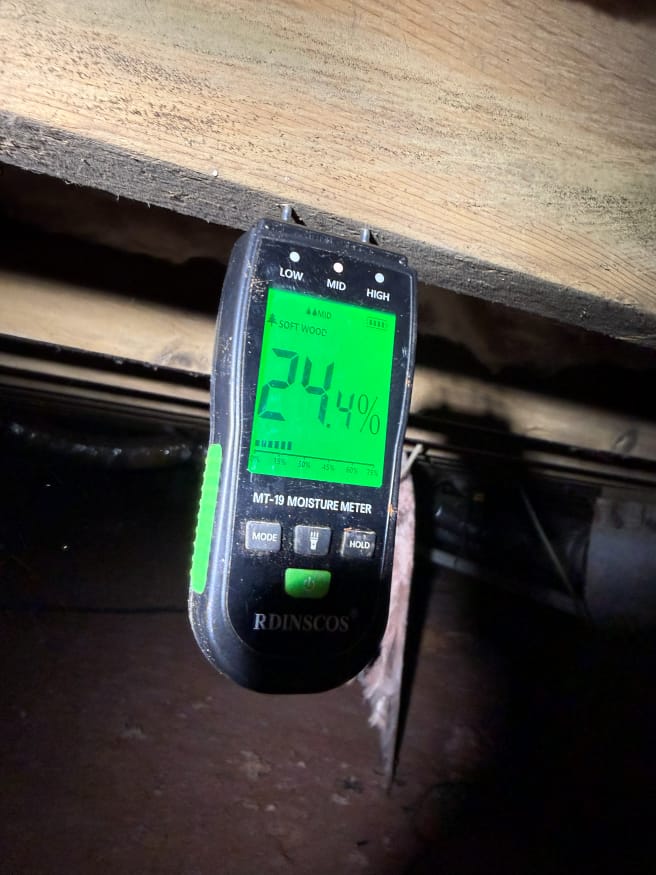
A proper encapsulation project always starts with a thorough inspection by a crawlspace expert. At JHS Crawlspace Specialist, inspections are free and include:
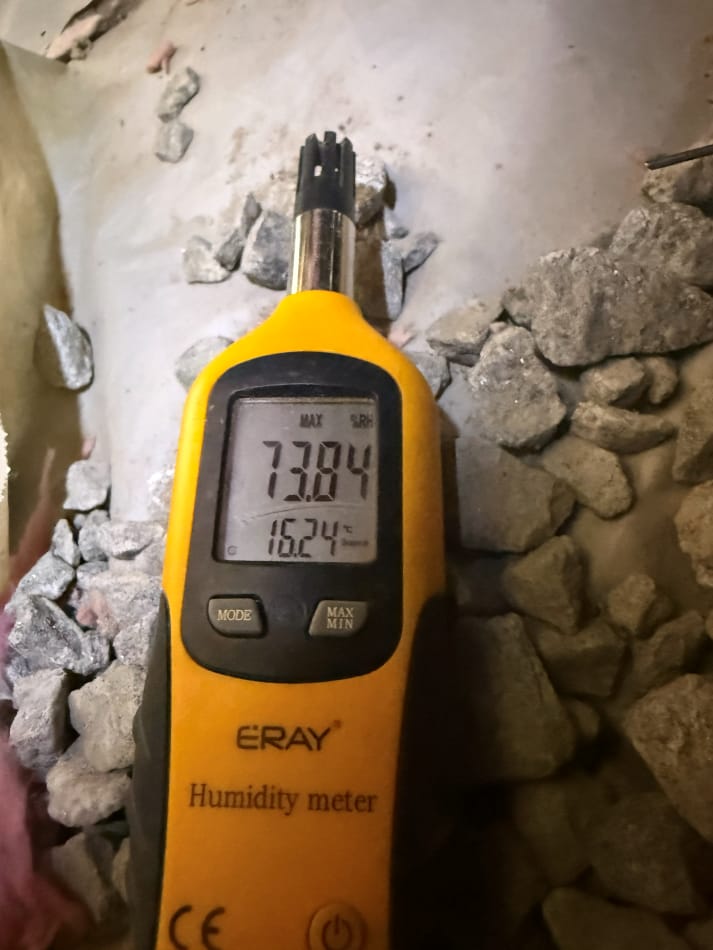
- Checking humidity levels with dedicated meters
- Documenting standing water, water marks, or staining
- Looking for mold or fungal growth on wood
- Assessing insulation for wetness or mold
- Examining vents, access doors, and other openings
- Photo documentation so you can see what’s going on
This phase provides you with straightforward explanations, clear images, and honest recommendations—sometimes suggesting only a vapor barrier or targeted moisture control if that’s all you need.
2. Crawlspace Preparation and Cleanup
A quality encapsulation is only as good as the surface beneath it. Preparation often consumes a third or more of total project time and involves:
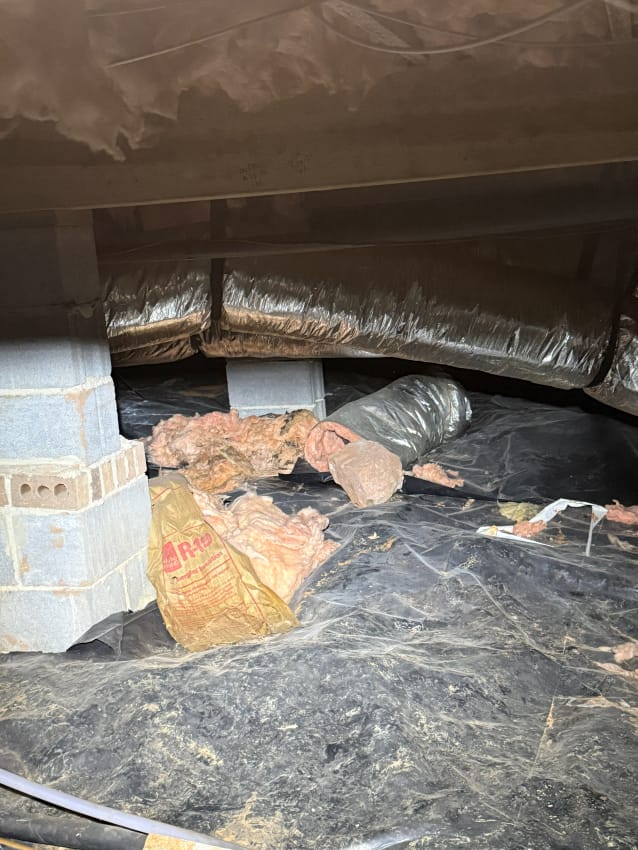
- Removing old plastic, debris, trash, and fallen insulation
- Smoothing or raking the soil to avoid punctures
- Treating visible mold or mildew with safe, appropriate products
- Addressing any pooled water or active leaks—with drainage improvements if needed
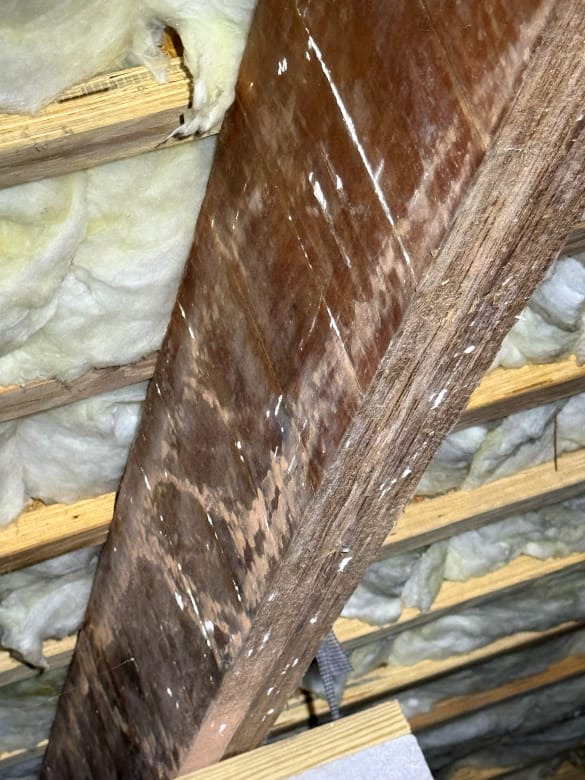
This critical step lays the groundwork for effective, long-term moisture control and should never be rushed or skipped.
3. Heavy Duty Vapor Barrier Installation
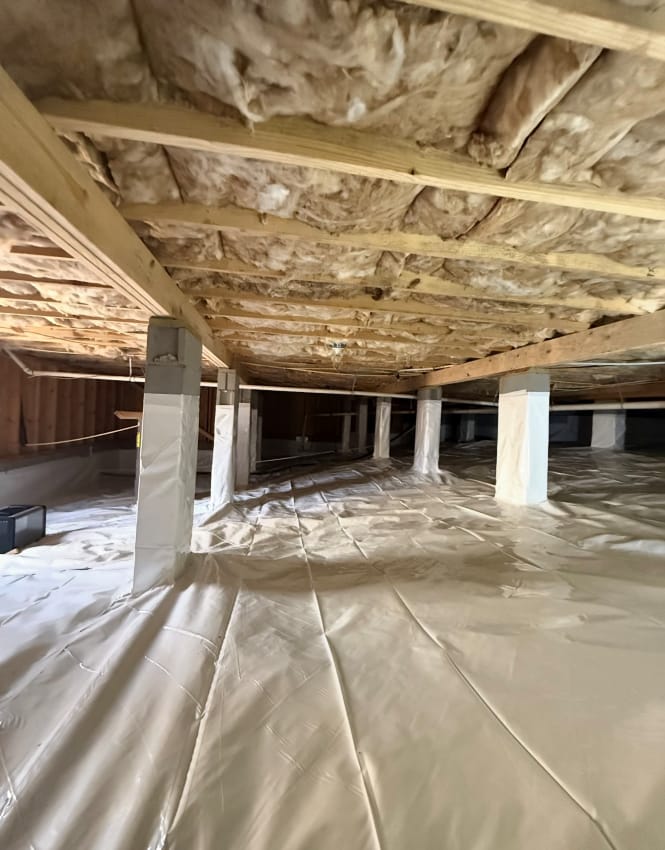
The vapor barrier is a reinforced plastic liner, often 10 to 20 mil in thickness (not just thin contractor-grade plastic), fully covering the crawlspace ground with seams overlapped and sealed. At JHS Crawlspace Specialist, barriers are professionally secured so they won’t shift, and are often white to allow for easy future inspections.
- 100% floor coverage plus several inches up the foundation wall
- Seams taped and fastened as needed
- Barrier secured at edges and around piers to avoid movement
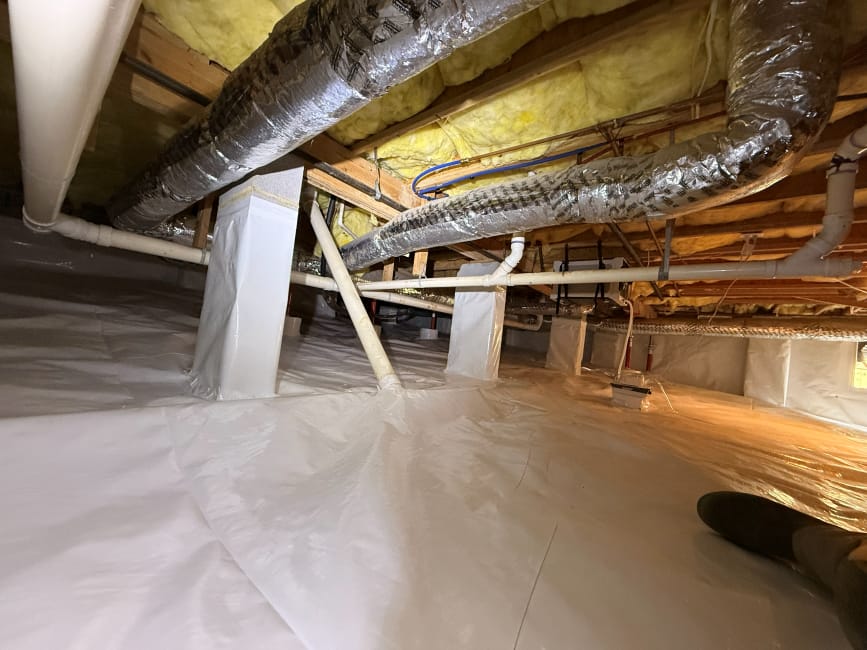
Proper vapor barrier installation blocks ground moisture from evaporating into your crawlspace and home.
4. Wall and Pier Wrapping
Beyond the ground, walls and support piers are wrapped with reinforced liners, creating a continuous sealed envelope. This step prevents moisture and air movement through porous masonry that could undermine the barrier. Wall barriers are attached up to the sill plate and sealed to the floor liner. Each pier is individually wrapped and sealed as well. Skipping this makes the entire system less effective.
5. Vent Sealing and Crawlspace Door Replacement
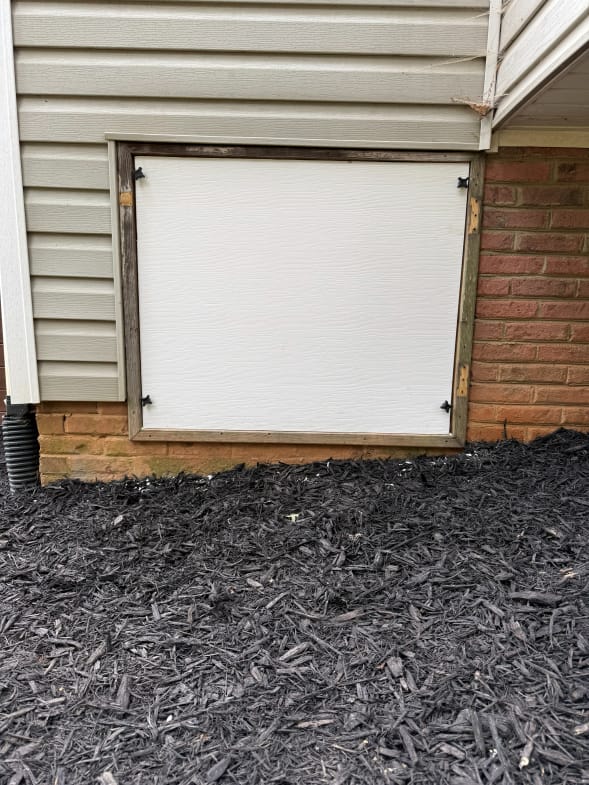
Open vents in southern crawlspaces let more moisture in, not out. As part of full encapsulation, all crawlspace vents are permanently sealed (with insulated panels or foam as needed), and old, leaky doors are replaced with custom-built, weatherproof doors that resist rot and pests. This airtight approach blocks humid air, pests, and water from re-entering the newly controlled environment.
6. Crawlspace-Specific Dehumidifier Installation
A true, long-term encapsulation system includes a crawlspace-rated dehumidifier—custom-sized for your space—to maintain safe humidity (usually 45-55%). Proper drainage for condensate is set up via gravity, sump, or pump, and dedicated circuits are installed when needed. The result is year-round humidity control, preventing mold, wood rot, musty odors, and costly structural damage.
7. Detailed Final Quality Checks
Before completion, a professional team like JHS Crawlspace Specialist will inspect the finished result for gaps, loose seams, incomplete seals, or missed areas. Crew checks vent and door seals, humidity, dehumidifier operation, and provides a final walkthrough. Homeowners often notice musty odors fading and improved comfort within days.
Optional (But Important) Steps for Many Upstate Homes
- Drainage improvements: If standing water or frequent seepage is found, regrading, downspout extensions, French drains, or sump pumps may be recommended before encapsulation.
- Structural repairs: Severe or lingering moisture can cause sagging joists or soft floors. In these cases, structural work may be scheduled before finishing encapsulation.
What Makes JHS Crawlspace Specialist the Go-To Choice in Upstate SC?
JHS Crawlspace Specialist focuses exclusively on crawlspace moisture control and encapsulation for Upstate South Carolina homeowners. Here’s why so many local families, realtors, and contractors trust and recommend us:
- All inspections are completely free and include detailed photos and clear explanations
- No pressure—only honest, tailored recommendations based on what your home actually needs
- Itemized estimates showing each component of the system
- Locally owned and operated, with before-and-after documentation
- Consistently 5-star rated on Google and Facebook
- "They fixed my crawlspace the right way and I couldn’t be happier with the outcome." – Nate Pierce
- "Honest, no pressure, and very professional. Our crawlspace is now clean, dry, and looks great." – Gavin Cummings
We believe every homeowner should fully understand what’s happening beneath their home and exactly what's included when they invest in encapsulation. That’s why we document every project, communicate openly, and follow up to ensure your long-term satisfaction.
Best Practices for Upstate SC Crawlspace Encapsulation
- Insist on a real inspection with photos and humidity readings. Never settle for a quote based solely on size or over the phone.
- Ensure thick, reinforced vapor barriers are used—not cheap or thin plastic.
- Demand complete sealing—floor, walls, and piers—with attention to seams, penetrations, and utility areas.
- Require proper vent sealing and a weatherstipped door to lock out outside air and pests.
- Confirm dehumidifier installation is tailored to your crawlspace, with reliable drainage and startup guidance provided.
- Choose a company specializing in crawlspaces—like JHS Crawlspace Specialist—to ensure nothing is overlooked.
Common Misconceptions About Encapsulation
- It’s just putting plastic down. Real encapsulation is a comprehensive, layered solution; just laying plastic will not control air quality, mold, or long-term moisture.
- "Set it and forget it." While full encapsulation dramatically reduces problems, homeowners should still check dehumidifier operation, maintain gutters, and get periodic checks.
- All encapsulation systems are the same. Material quality, barrier thickness, and attention to detail can vary widely between providers—always ask for specifics and proof.
FAQ: Crawlspace Encapsulation in Upstate SC
What’s the difference between vapor barrier and encapsulation?
A vapor barrier covers the ground to block moisture from the soil. Encapsulation goes further by sealing walls, piers, vents, doors, and adding dehumidification for full moisture and air control.
Do I always need a dehumidifier?
Yes, for full encapsulation in humid climates. A properly sized crawlspace dehumidifier keeps humidity in the safe zone year round and prevents new mold or moisture issues.
How do I know if my house needs full encapsulation or just a vapor barrier?
A detailed inspection—like those provided by JHS Crawlspace Specialist—will reveal whether moisture is an ongoing problem or if lender requirements can be met with a well-installed vapor barrier alone.
Will encapsulation help with musty smells?
Yes, sealing moisture and controlling humidity will usually eliminate musty crawlspace odors in the home. For more, see our post on why homes in Upstate SC smell musty and how to fix it.
How long does the process take?
Most projects for typical homes take 1-3 days, though larger or heavily compromised crawlspaces may require additional cleanup or drainage first. Fast scheduling and clear timelines are hallmarks of JHS Crawlspace Specialist projects.
Do vented crawlspaces work in Upstate SC?
Open crawlspace vents in our climate often make moisture problems worse, not better. Learn more on our blog about why crawl space vents are a problem in Spartanburg.
Is encapsulation a permanent fix?
Encapsulation with ongoing humidity control can last for decades, provided gutters, drainage, and the dehumidifier continue to function. Occasional checks keep your investment protected long-term.
Will this help energy bills?
By reducing excess humidity and keeping the crawlspace air clean and conditioned, encapsulation typically lowers both heating and cooling costs, while helping your home feel more comfortable year-round.
Do I need to move out or make special arrangements?
No. All work is performed under your home and causes minimal disruption. You’ll be updated throughout the process, and your daily life continues as usual.
Conclusion
Crawlspace encapsulation in Upstate SC is a detailed process that protects your home from moisture, mold, odors, and structural threats. With the expertise and transparency of JHS Crawlspace Specialist, homeowners can expect a thorough inspection, clear recommendations, and a seamless installation process—no pressure, just solutions that last. If you’re ready to see what comprehensive encapsulation should look like for your Upstate home or want to learn more, schedule your free crawlspace inspection today. Your healthier, safer home truly starts underneath your feet.