Why Is My Crawl Space Humidity Above 70% in Spartanburg, SC?
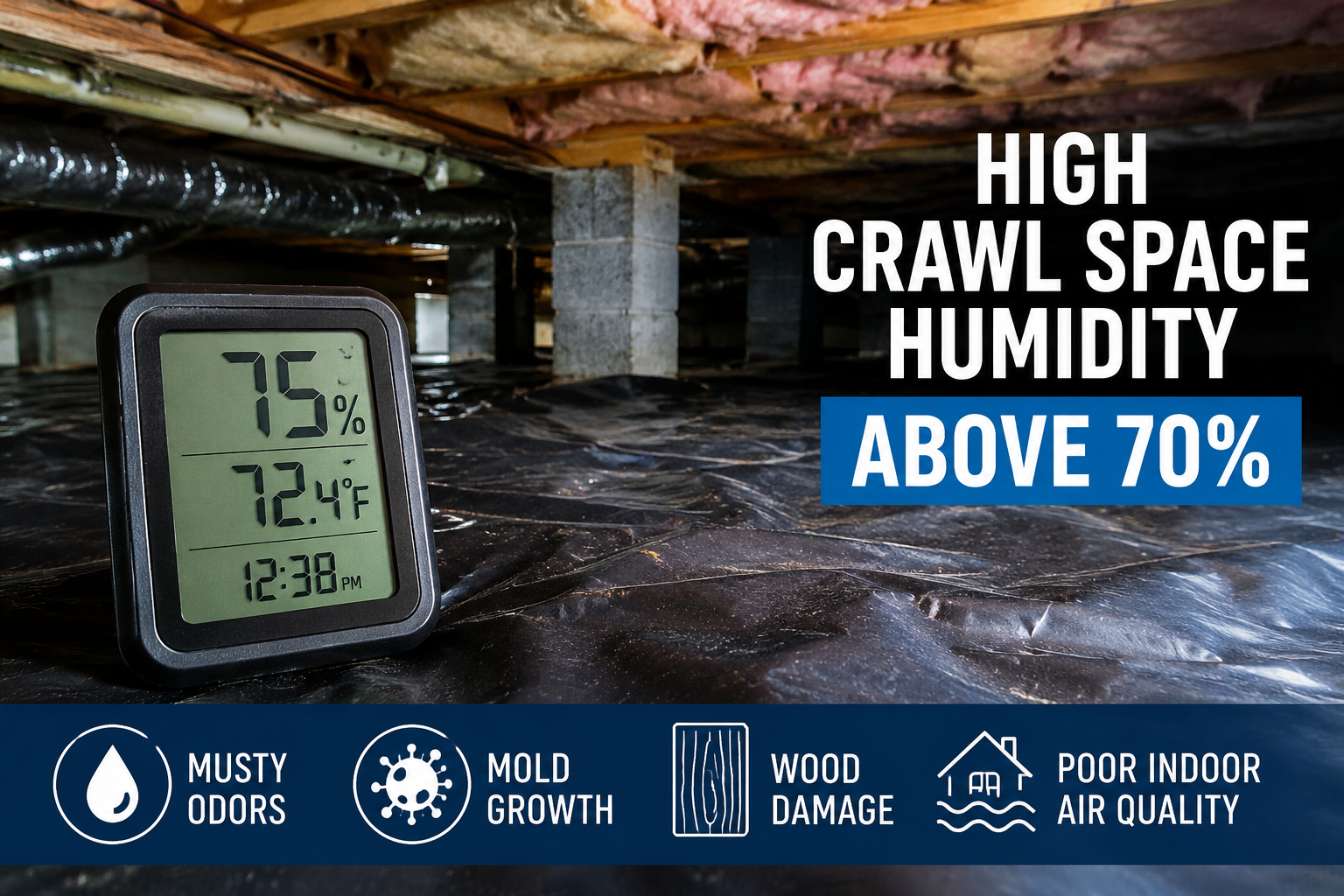
If you have discovered that your crawl space humidity is reading above 70% in Spartanburg, SC, this means excess moisture is accumulating beneath your home. Elevated humidity in crawl spaces is a widespread concern for homeowners across Spartanburg, Boiling Springs, Moore, Roebuck, Greer, and the broader Upstate South Carolina area. This persistent moisture, common in our region due to climate and building styles, can directly impact your home's air quality, comfort, and structure.
The effects of high crawl space humidity are not confined below ground. Air from your crawl space rises up into your living areas, carrying any moisture, odors, or pollutants with it. Left untreated, sustained high humidity levels can lead to musty odors, mold growth, deteriorating insulation, wood decay, and other structural issues that threaten your home's value and health.
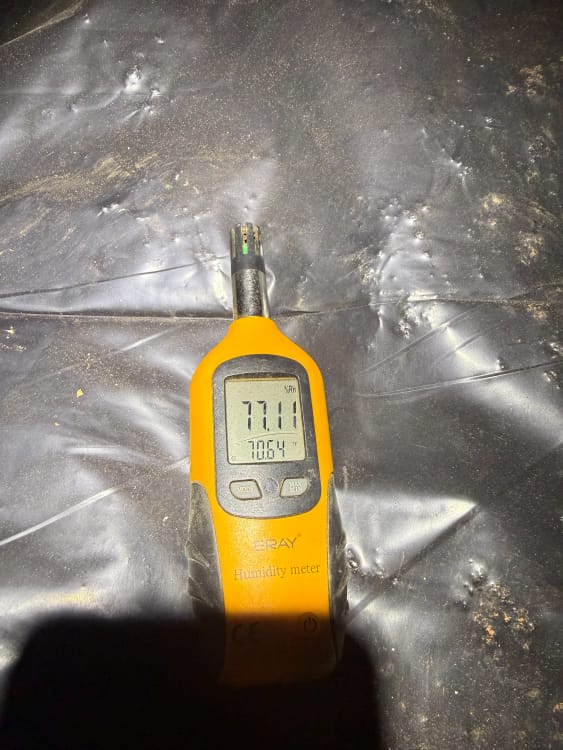
Definition: Crawl Space Humidity
Crawl space humidity refers to the amount of water vapor present in the air beneath your home. In our Upstate SC climate, this level is commonly monitored using a hygrometer. When humidity consistently rises above 70%, it signals that the crawl space environment is supporting mold, decay, and other moisture-related problems.
Common Causes of High Crawl Space Humidity
- Exposed dirt floors. Bare soil lets ground moisture continuously evaporate into the crawl space air.
- Missing or damaged vapor barriers. Gaps or deterioration in the barrier allow uncontrolled moisture ingress.
- Open foundation vents. In summer, humid outside air is drawn beneath the home, raising the overall humidity.
- Poor drainage around the home. If water pools near your foundation after rain, it can move under the house.
- Groundwater intrusion. Rising groundwater or persistent seepage elevates the crawl space moisture load.
- Humid outdoor air entry. Warm, moist air finds its way inside through vents, doorways, and structural cracks.
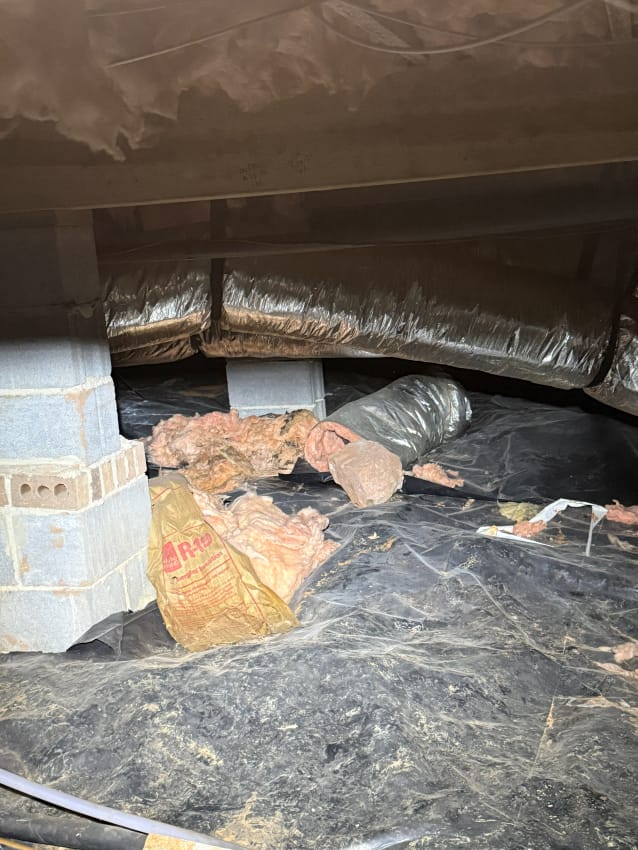
During peak South Carolina summers, outdoor air can hover at 70–90% humidity. When this is pulled into an unsealed crawl space, moisture accumulates rapidly and lingers, creating favorable conditions for ongoing moisture problems.
Why 70% Humidity is a Problem in Your Crawl Space
- Musty Odors: Humid air fosters musty smells that often migrate up into your home via the stack effect or HVAC system.
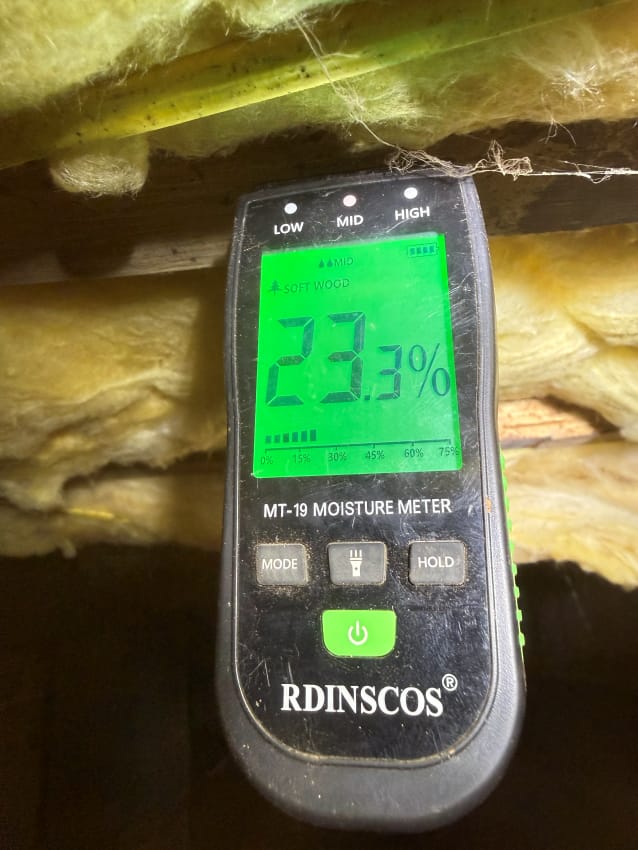
- High Wood Moisture Content: Floor joists, beams, and subfloor materials soak up moisture, increasing the risk of wood rot or structural weakening over time.
- Mold and Mildew Growth: Moist environments foster mold and mildew growth on wood, concrete, and insulation, compromising indoor air quality and contributing to unpleasant odors.
- Insulation Damage: Fiberglass insulation can absorb moisture, sag or fall out of place, and lose its insulating value.
Consequences of Persistent High Humidity
- Unpleasant indoor smells
- Warped, creaky, or uneven floors
- Visible mold or water staining below and above the subfloor
- Bouncy flooring or sagging insulation
- Higher energy bills due to the strain on HVAC systems
What Humidity Level Should a Crawl Space Be?
- Most crawl space professionals recommend maintaining relative humidity below 60% to inhibit mold and wood decay.
- Ideal target range for encapsulated crawl spaces: 45–55% relative humidity, maintained year-round by a reliable dehumidifier.
When properly sealed and conditioned, your crawl space can remain stable and dry, helping safeguard your entire home.
How to Lower Crawl Space Humidity in Spartanburg: Proven Solutions
Your path to a drier, healthier crawl space depends on its current condition. At JHS Crawlspace Specialist, our in-depth inspection identifies the root cause and the most effective remedy for your specific situation.
Essential Moisture-Control Improvements
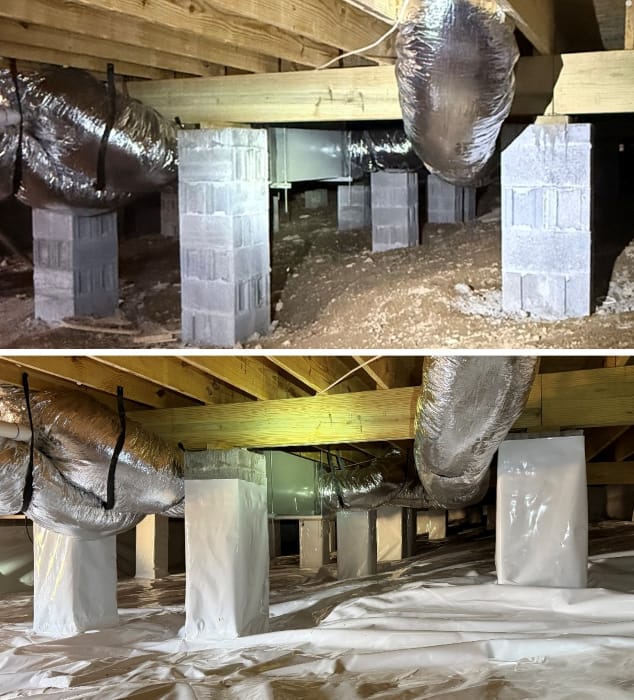
- Vapor Barrier Installation: A high-quality, reinforced vapor barrier is laid across the crawl space floor, covering all exposed soil. Overlapping seams and careful fastening help block evaporation from the ground below.
- Crawl Space Encapsulation: Encapsulation involves lining the crawl space floor, walls, and even piers with a heavy-duty moisture barrier, sealing vents, and closing all air gaps. This converts your crawl space from a vulnerable, outdoor environment to a protected, semi-conditioned space.
- Vent Sealing: Open foundation vents let humid outside air flow in. Professional vent sealing (as practiced by JHS Crawlspace Specialist) keeps out uncontrolled moisture and pests, while maintaining any required airflow codes.
- Dehumidifier Installation: A crawl space-specific dehumidifier actively extracts excess moisture, keeping the relative humidity below the target threshold even during the most humid months.
- Drainage Upgrades: If there are signs of flooding, puddles, or chronic dampness, correcting exterior grading, installing sump pumps, or adding perimeter drainage may be necessary before encapsulation.
Step-by-Step Framework for Reducing Crawl Space Humidity
- Schedule a Professional Inspection: Work with a local specialist like JHS Crawlspace Specialist for a thorough evaluation, including precise humidity and moisture checks, physical inspection, and documentation.
- Address Standing Water or Drainage Issues: Resolve any visible water problems before installing barriers.
- Install a Reinforced Vapor Barrier: Lay a thick, durable liner over 100% of uncovered soil, paying close attention to edges and seams.
- Seal Vents and Air Gaps: Block or seal vents, as well as gaps around doors and utility lines, to stop humid air inflow.
- Encapsulate Crawl Space if Needed: For persistent or severe issues, full encapsulation with wall coverage may be required.
- Install a Crawl Space Dehumidifier: Correctly size the unit to your space and set it to maintain humidity between 45%–55%.
- Monitor and Maintain: Regular checks ensure the system performs year-round, protecting your home's structure and air.
When Should You Schedule an Inspection?
- Musty or earthy odors inside the living space
- Condensation on HVAC ducts or plumbing beneath the house
- Sagging or fallen insulation under your floors
- Elevated humidity readings above 70% in the crawl space
- Visible mold, mildew growth, or water staining below
- Soft, uneven, or bouncy sections of flooring
- Evidence of moisture or water puddling under your home
Best Practices to Maintain Healthy Crawl Space Humidity
- Monitor crawl space humidity and moisture content at least once a season, especially after heavy rainfall.
- Schedule inspections proactively, rather than waiting for problems to become visible indoors.
- Invest in encapsulation and dedicated dehumidifiers—not temporary DIY fixes—for lasting results.
- Work with specialized contractors who document problems and provide honest, pressure-free advice.
- Address issues early to avoid escalating repair costs, structural damage, and health concerns.
Local Expertise: Why Choose JHS Crawlspace Specialist for Spartanburg & Upstate SC
JHS Crawlspace Specialist is a local leader in crawl space encapsulation, vapor barrier installation, dehumidifier integration, and comprehensive moisture control. We focus exclusively on crawlspace solutions, providing free and honest inspections with no upselling and detailed photo documentation. Whether you need basic vapor barrier installation or a complete encapsulation system, our team ensures high standards and transparent recommendations tailored for the unique conditions of Upstate SC.
Real customer feedback reinforces our expertise:
- "The crawlspace smells clean, the house feels better, and we have peace of mind knowing it was handled correctly."
- "Honest, knowledgeable, and easy to trust. I’d absolutely recommend JHS to anyone needing crawlspace work."
- "From the first inspection to the finished work, everything was explained clearly and honestly no pressure, no scare tactics."
For more on how we address these issues in local neighborhoods, you may find our related posts useful: Why Your Crawl Space Stays Wet Even After the Rain Stops in Spartanburg, SC and Why Crawl Space Vents Actually Make Moisture Problems Worse in Spartanburg SC.
Frequently Asked Questions
What causes crawl space humidity to spike after rain?
If drainage around your home is poor or vapor barriers are missing, rainwater can infiltrate the soil under your crawl space, increasing humidity for days or weeks.
Is high humidity in the crawl space dangerous for my health?
Sustained humidity above 70% often leads to mold and mildew, which can release spores and allergens into your living area, aggravating allergies and respiratory conditions.
Will sealing vents solve crawl space moisture problems on its own?
Sealing vents helps, but it must be part of a comprehensive approach including a vapor barrier and possibly a dehumidifier to address all moisture sources.
How often should I inspect my crawl space for humidity or mold?
Inspect at least once or twice a year, especially after significant weather events or if you notice new odors or condensation indoors.
Do I need professional encapsulation or can I use plastic sheeting?
DIY plastic is less durable and rarely sealed well enough for long-term protection. Professional encapsulation by experts like JHS Crawlspace Specialist delivers much more reliable, lasting results.
What’s involved in a JHS Crawlspace Specialist inspection?
You'll receive a free, photo-documented inspection, including humidity and moisture testing, condition overview, and straightforward recommendations—no pressure or scare tactics.
Conclusion: Take Control of Your Crawl Space Humidity
If humidity in your crawl space is measuring above 70%, you are facing one of the most treatable but urgent home maintenance issues in Upstate South Carolina. Taking early action protects your home’s air quality, supports your foundation, keeps energy costs down, and preserves your property value.
The first step is a thorough, trustworthy inspection. Our team at JHS Crawlspace Specialist serves Spartanburg and all surrounding communities, offering proven solutions tailored to local conditions. Schedule your free crawl space assessment today and discover the right way to keep your home healthy from the ground up.