Why Is My Crawl Space Wet After Heavy Rain in Spartanburg?
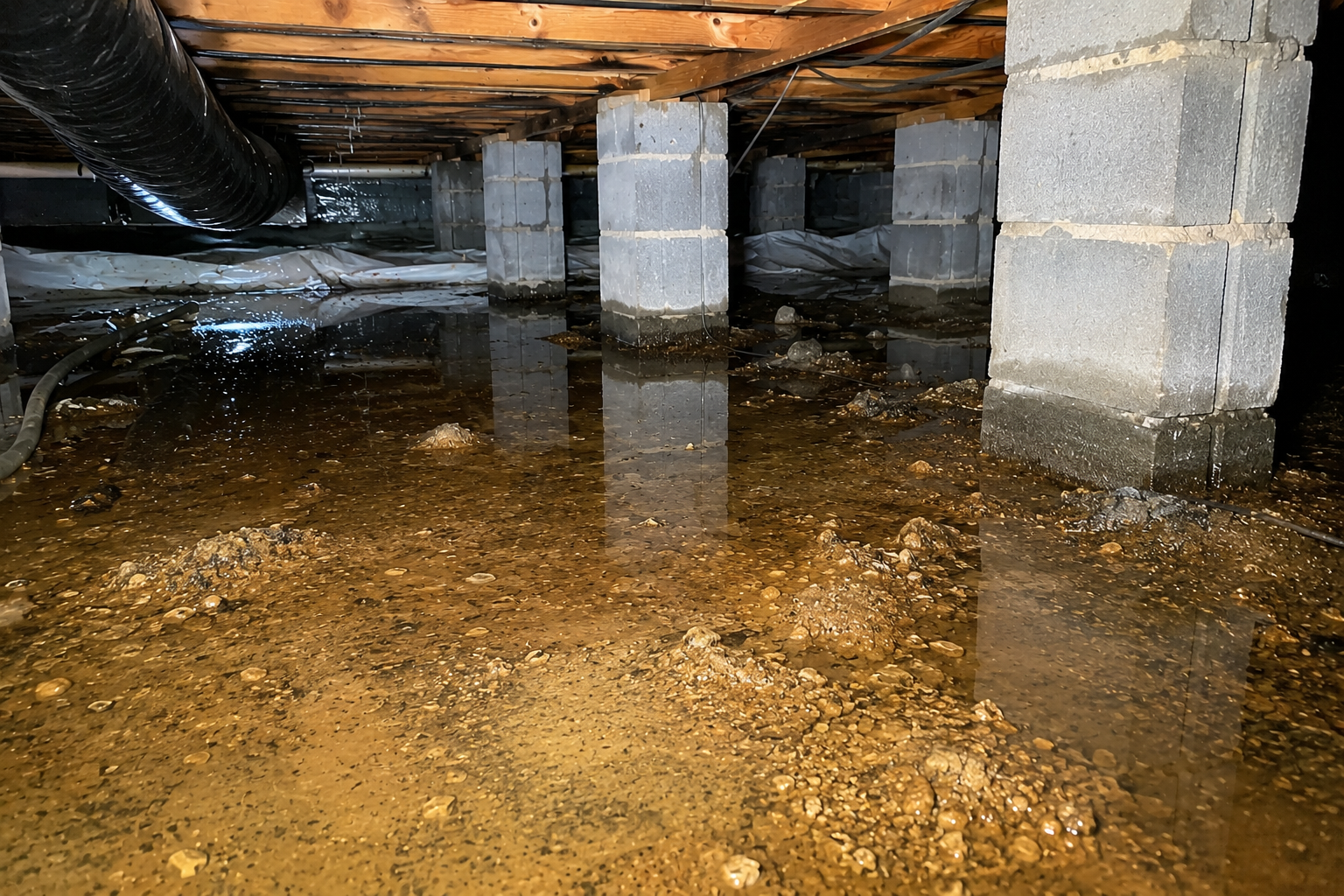
Wet crawl spaces after heavy rain are a persistent concern for homeowners in Spartanburg, SC, and surrounding Upstate communities. Not only does standing water or excess moisture beneath your home signal immediate crawl space water intrusion, but it also points to deeper issues like poor drainage, failing vapor barriers, or even rising groundwater. Left untreated, these conditions threaten your home's air quality, structural integrity, and long-term value. As local specialists, we at JHS Crawlspace Specialist have seen firsthand how quickly a small moisture issue can escalate into larger crawl space repair needs across Spartanburg, Boiling Springs, Greer, and Inman.
Understanding the causes, risks, and best solutions for a wet crawl space after rain not only protects your investment but also improves the health and safety of your entire home. Below, we break down why crawl spaces in this region get wet, how to identify related damage, and what actually works to keep your crawl space dry—drawing on our experience as Spartanburg’s trusted experts in crawl space encapsulation, vapor barriers, dehumidifiers, and repair.
Common Reasons Crawl Spaces Get Wet After Rain
Experiencing a wet crawl space right after storms isn’t just a nuisance; it’s a sign that water is finding pathways beneath your home. Several key factors contribute to this in the Spartanburg area:
- Hydrostatic pressure: Heavy rain saturates the region’s red clay and soil, increasing water pressure against your home’s foundation. This can push water through tiny wall cracks, mortar joints, or gaps around plumbing lines—and even small leaks add up over time.
- Poor exterior drainage: Homes with clogged gutters, short downspouts, or yard slopes toward the foundation are prone to water collecting right next to crawl space walls.
- Rising groundwater: After several wet days, water in the soil may rise to (or above) your crawl space floor if your property is in a low-lying section, near a creek, or has a crawl space floor below the outside grade.
- Open crawl space vents: While once assumed to "let moisture out," open vents in the humid Upstate climate mostly let saturated air in, causing condensation under the home—especially after storms.
- Plumbing leaks: Sometimes, heavy rain reveals slow plumbing, drain, or HVAC condensate leaks that go unnoticed until the crawl space is inspected.
How Poor Drainage Around Your Home Causes Moisture Problems
Effective crawl space waterproofing starts with managing how stormwater behaves outside your home:
Gutters and Downspouts
- Clean gutters regularly to prevent water dumping near your foundation.
- Ensure downspouts carry water at least 8 to 10 feet away from the house, not just 3 or 4.
- Redirect downspouts or use underground piping to send runoff away from vulnerable foundation sections.
Yard Grading and Landscaping
- Your yard should slope away from your home—a 6-inch drop over 10 feet is a common standard.
- Poor grading leads to rainwater pooling near crawl space vents, walls, or access doors.
- Landscape beds against the home or hard edges that trap water will worsen water entry.
Surface vs. Groundwater
- Surface water appears quickly after rain and may collect near low points outside or along walls inside.
- Groundwater gradually seeps up from below after sustained rain, sometimes days after a storm has ended.
Our team at JHS Crawlspace Specialist always considers both when diagnosing crawl space water issues and recommending the best solution, as detailed in this related guide on recurring crawl space water issues in Spartanburg.
Signs Water Damage Is Affecting Your Crawl Space
Even if your crawl space only appears wet occasionally, repeated moisture leaves clear warning signs. Key symptoms to watch for:
- Standing water or puddles on the vapor barrier
- Muddy, persistently damp soil
- Water marks on foundation walls, piers, or HVAC equipment
- Musty or earthy odors that rise into your first-floor living space
- Falling, wet, or moldy fiberglass insulation
- Damp or sweating ductwork under the home
- Sagging floors, cracks in drywall, or doors that no longer close properly (potential structural damage)
- Termite activity, spider webs, or recurring pest infestations that thrive in moist environments
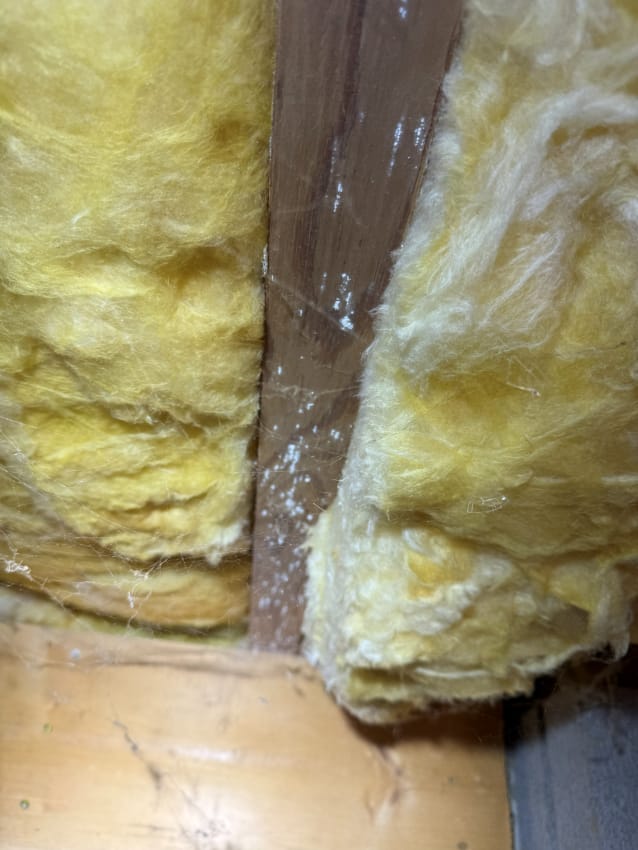
Over time, even small amounts of crawl space water after rain can weaken structural wood, degrade insulation, push up energy bills, and cause unhealthy living conditions above.
When a Vapor Barrier Is Not Enough
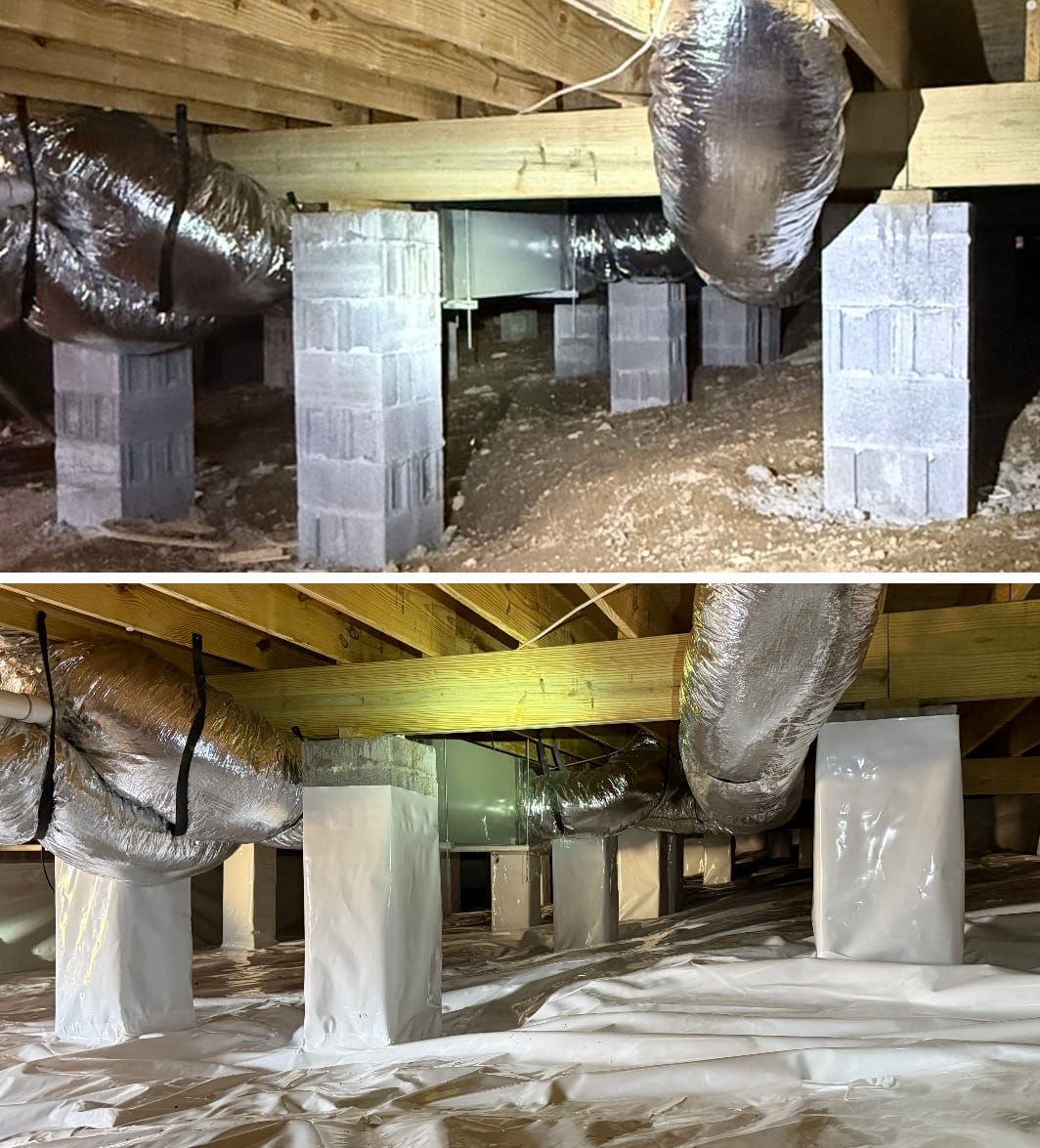
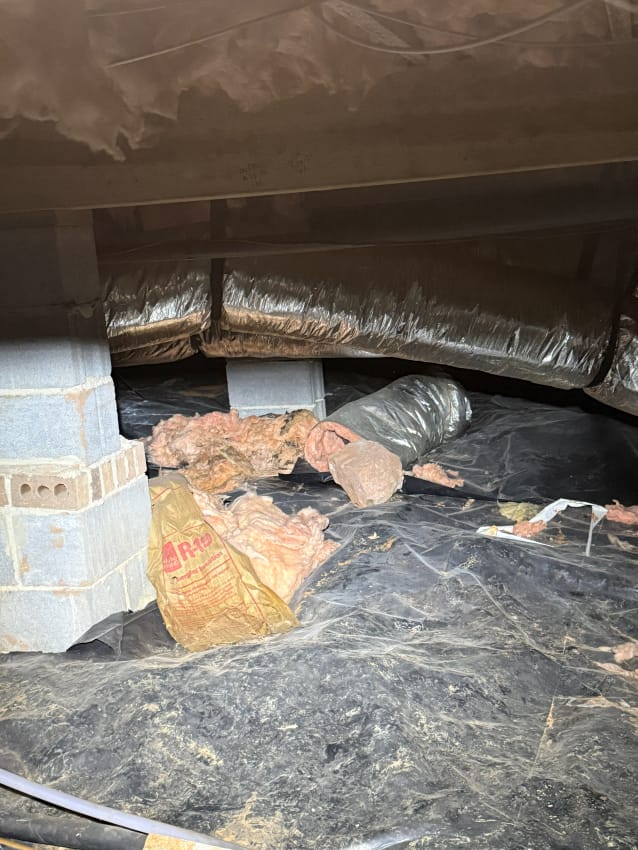
It’s common to find thin, loosely laid plastic in many crawl spaces throughout Spartanburg. While a vapor barrier reduces ground moisture migration, it is only one piece of a comprehensive moisture solution.
- If water sits or flows on top of your barrier after a storm, the real problem is water intrusion from the walls, footing joint, or even groundwater—issues a barrier alone cannot solve.
- Gaps, tears, and unsealed edges mean vapor can still escape around and through the barrier.
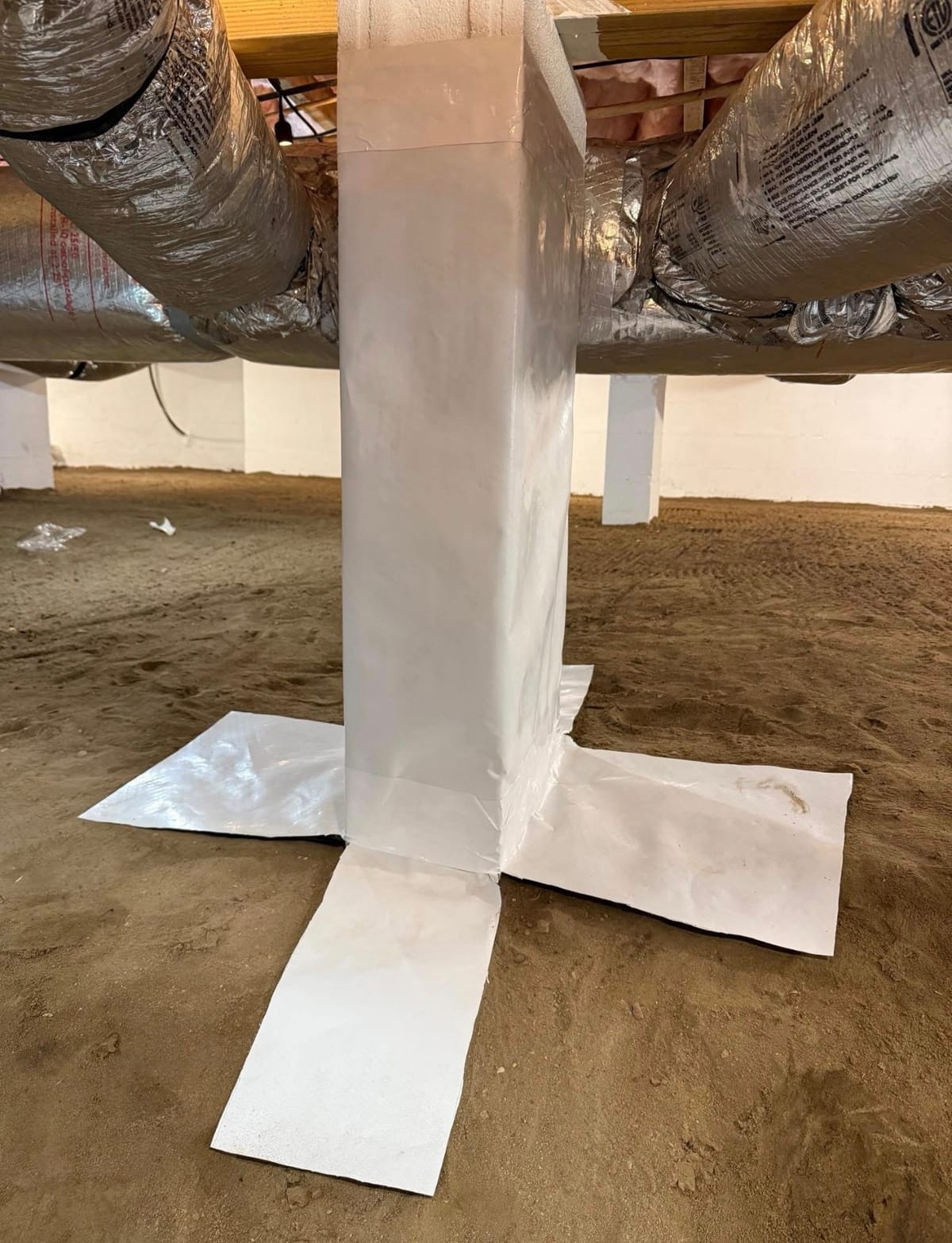
- Uncovered piers and unsealed seams leave much of the soil exposed to the crawlspace air.
This is why, at JHS Crawlspace Specialist, we often recommend a multi-step approach for persistent crawl space water—including expertly installed vapor barriers as part of encapsulation, vent sealing, dehumidification, and drainage improvements where needed.
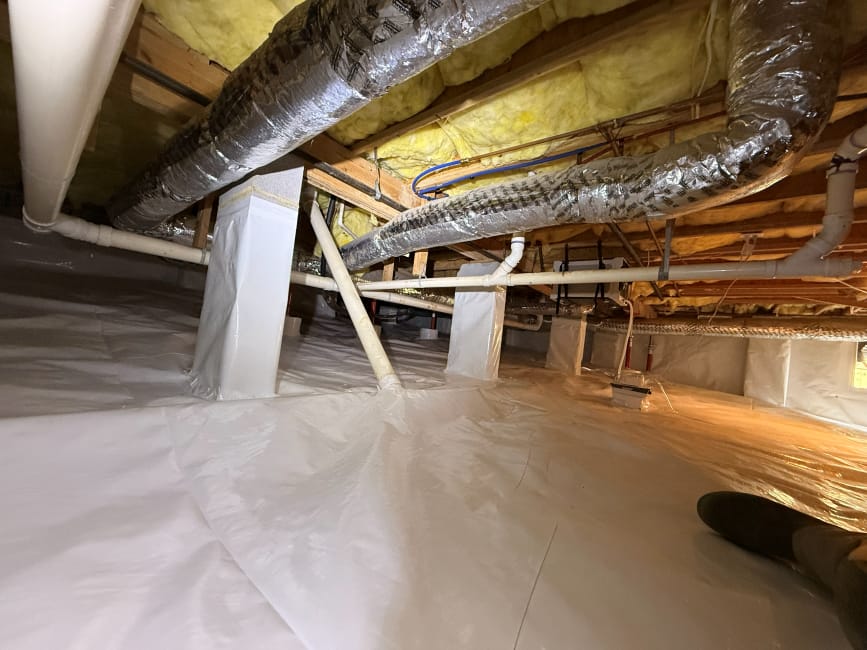
Should You Install a Dehumidifier or Encapsulation System?
This is a question we answer every week for Spartanburg homeowners weighing crawl space repair solutions:
When You Need a Dehumidifier
- If the main issue is high humidity or condensation, especially in the summer, a crawl space dehumidifier can keep levels below 55% humidity and reduce musty odors.
- Dehumidifiers work best in encapsulated or sealed crawl spaces—otherwise, new humidity will simply enter from outside.
When Full Encapsulation Is Recommended
- If water gets in every time it storms—not just excess vapor—a full crawl space encapsulation system is necessary.
- Encapsulation combines a heavy-duty, sealed vapor barrier, wall and pier wrap, vent sealing, door upgrades, and humidity control.
- In severe cases, an interior drainage channel or sump pump may be required to actively move water out.
Learn more on this topic in our deep dive: What Crawl Space Encapsulation Really Includes for Upstate SC Homes.
How JHS Crawlspace Specialist Solves Wet Crawl Spaces in Spartanburg
As a local crawl space moisture control company based in Spartanburg, JHS Crawlspace Specialist leads the Upstate region in honest, thoroughly executed crawl space encapsulation, vapor barrier installation, dehumidifier installation, and drainage solutions.
Our Process
- Free, Honest Crawl Space Inspection: Every job starts with a detailed crawl space inspection—measuring humidity, checking for standing water, inspecting the state of vapor barriers and insulation, and evaluating exterior drainage.
- Clear, Itemized Repair Plan: Based on what we find, we design a moisture solution that might include debris cleanup, vapor barrier replacement, vent sealing, crawl space door upgrades, and custom-fitted dehumidifiers. If necessary, we advise interior drainage improvements or sump pumps for active water entry.
- Professional Installation: Our team seals vapor barriers with wide overlaps, tapes every seam, wraps piers, and ensures all vents and doors are properly closed off. We test dehumidifiers at installation and walk you through completed work with photos.
- Long-Term Protection: Our encapsulation systems reduce crawl space humidity, prevent future standing water, improve household air quality, and protect your home’s foundation and subfloor from long-term damage.
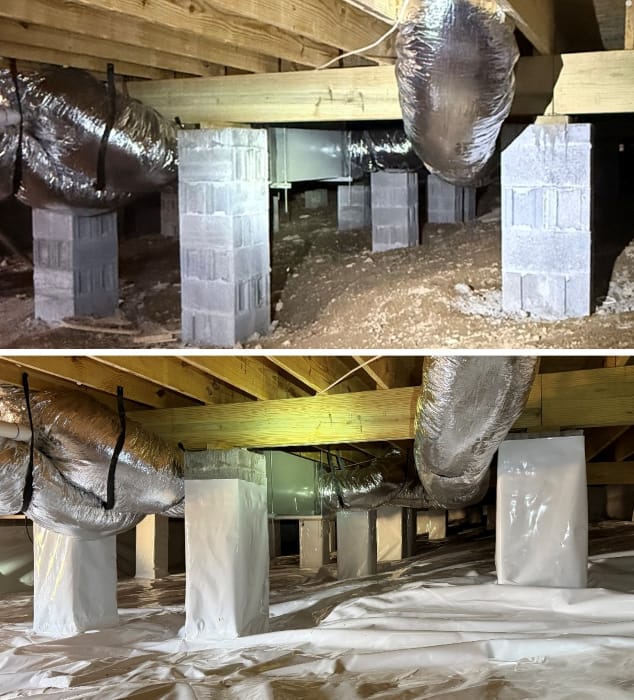
What makes us different? It’s our focus on education, honest recommendations, and only installing what your home truly needs—values reflected in our customer reviews and every inspection we perform. We serve Spartanburg, Boiling Springs, Greer, Inman, and all surrounding Upstate SC communities.
Best Practices for Homeowners Experiencing a Wet Crawl Space
- Inspect your gutters and downspouts after storms to be sure they’re working correctly.
- Regularly check foundation areas for pooling water or mulch beds holding moisture near vents or doors.
- Monitor for new or worsening musty odors inside your house, as these frequently signal crawl space humidity problems before visible water appears.
- If you suspect crawl space water after rain, schedule a professional inspection promptly—delaying can mean higher repair costs and more extensive damage later.
Frequently Asked Questions
Is water in my crawl space after heavy rain normal in Spartanburg?
No. While occasional dampness may happen in heavy rain, standing water, puddles, or persistent humidity are warning signs that should not be ignored.
How fast can crawl space water damage my home?
Damage can develop quickly. Prolonged crawl space moisture leads to mold, wood rot, insulation collapse, and pest infestations.
Do all homes need full encapsulation?
Not necessarily. Some benefit from upgraded vapor barriers, others need drainage upgrades first, but homes with recurring water typically require full encapsulation and humidity control.
Will a vapor barrier stop all crawl space water?
No. Vapor barriers are not designed to hold back flowing or standing water from foundation leaks or rising groundwater.
Should I try to dry my crawl space before calling a professional?
Improving drainage and removing water can help short term, but long-term crawl space moisture control usually needs professional installation and sealing.
How does JHS Crawlspace Specialist stand out from other companies?
Our focus is on honest inspections, clear education, and only recommending what your home actually needs. We specialize strictly in crawl space repair and waterproofing for Upstate SC homes, with a reputation for honesty and quality in every job.
Conclusion
A wet crawl space after heavy rain is not something to leave to chance. Addressing water entry promptly protects your foundation, keeps your home's air healthy, and shields you from costly future repairs. With local expertise and a commitment to long-term solutions—not quick fixes—JHS Crawlspace Specialist delivers the crawl space encapsulation, vapor barrier installation, dehumidification, and drainage improvement services that Spartanburg homeowners depend on.
If you’re ready to solve crawl space water issues for good, schedule your free, no-pressure inspection with our team. We’ll show you exactly what’s happening beneath your home and craft a solution that fits your needs. Protect your investment and your peace of mind—start from the ground up with experts who know Upstate SC crawl spaces inside and out.