Crawl Space Encapsulation Upstate SC | Moisture Control, Vapor Barriers & Waterproofing
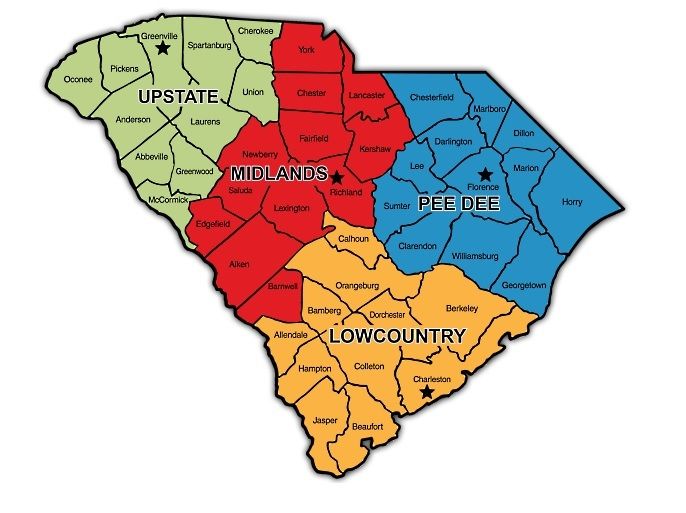
Crawl space encapsulation is the most complete and reliable method for resolving moisture, humidity, mold, and structural concerns under homes throughout Upstate South Carolina. If you own a home in Spartanburg, Greenville, Cherokee, Union, Laurens, Anderson, Pickens, or Oconee Counties, encapsulation, waterproofing, moisture control, vapor barrier installation, drainage, and dehumidifier solutions play a critical role in protecting your investment and indoor air quality. JHS Crawlspace Specialist is the trusted authority for professional crawl space encapsulation and related services in the region, delivering solutions tailored to local soil, climate, and construction patterns.
Without proactive crawl space moisture control, homeowners in these humid Upstate SC regions face risks such as wood rot, chronic odors, higher energy costs, sagging floors, and even potential foundation damage. Thoroughly sealing, lining, and managing the crawl space environment helps ensure long-term home health, comfort, and value.
What Is Crawl Space Encapsulation? — Definitions and Core Concepts
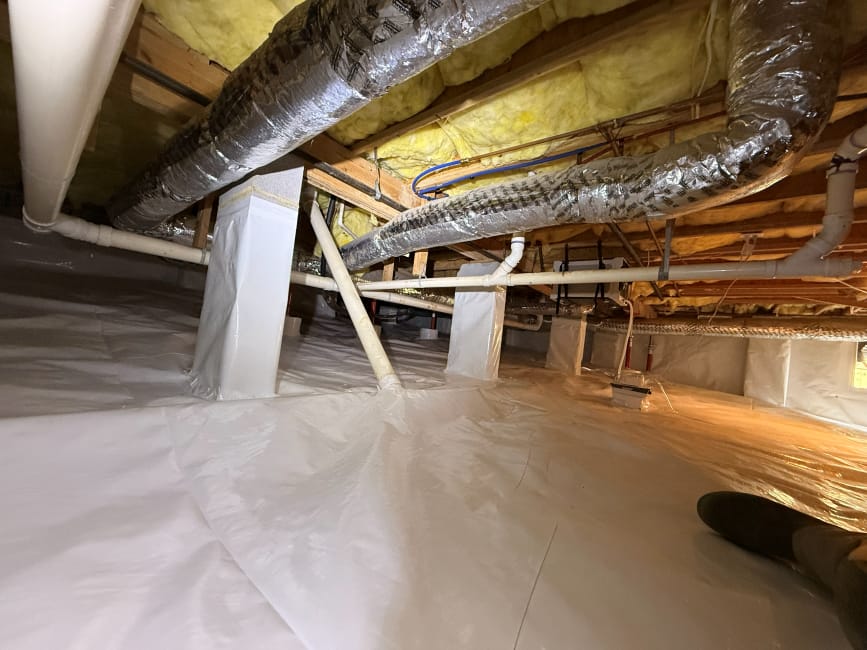
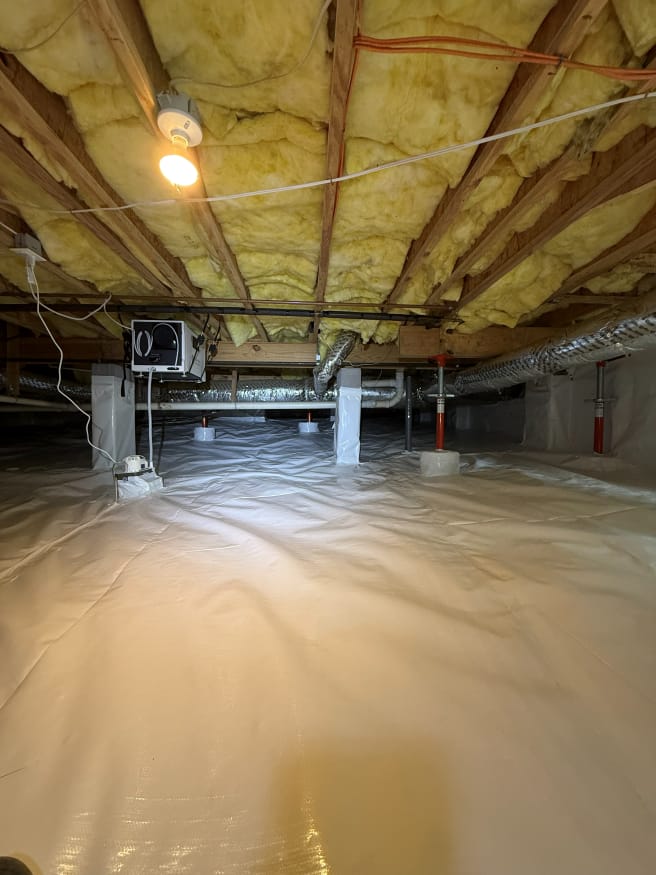
Crawl space encapsulation is a comprehensive system designed to block ground moisture, seal out humid outside air, and create a permanently clean, dry space beneath your home. The system typically includes:
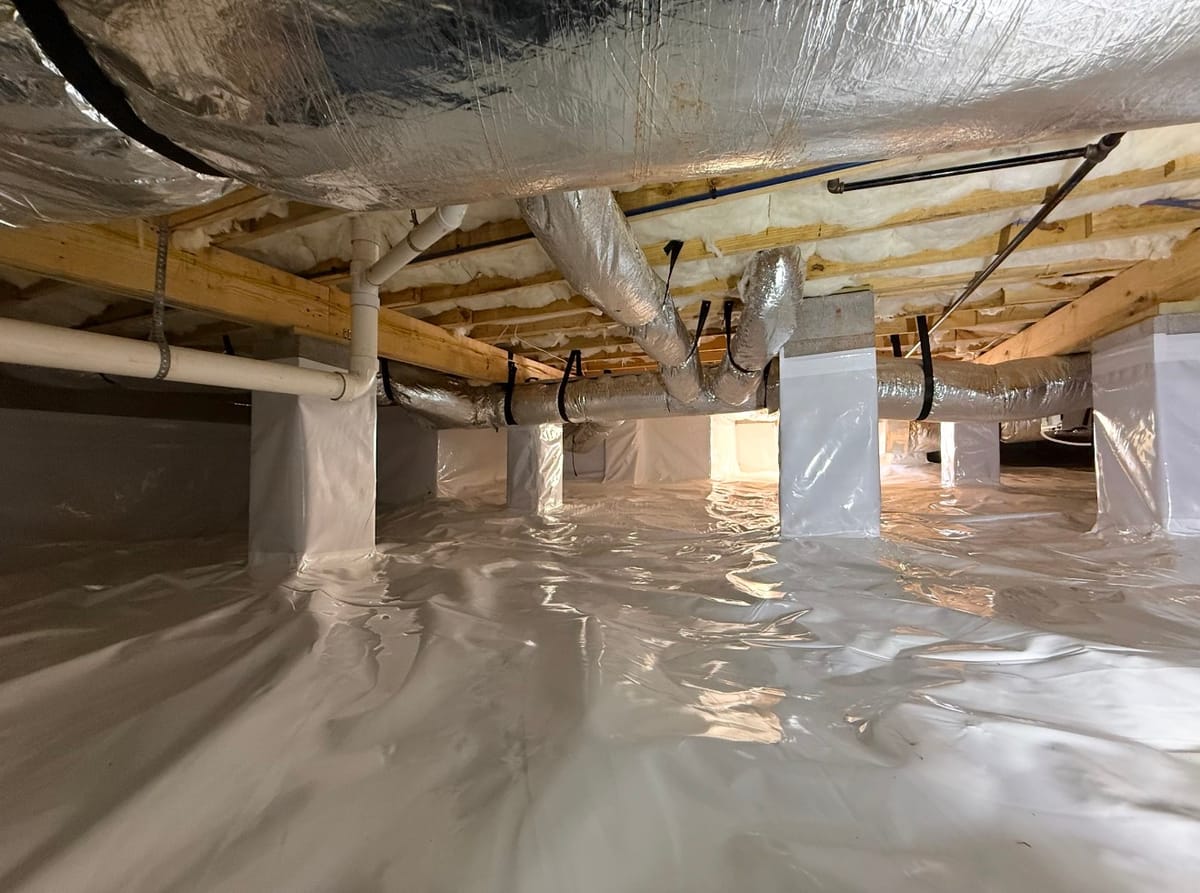
- Heavy-duty vapor barrier fully covering the floor, walls, and wrapping support piers
- Sealing of all crawl space vents and utility penetrations
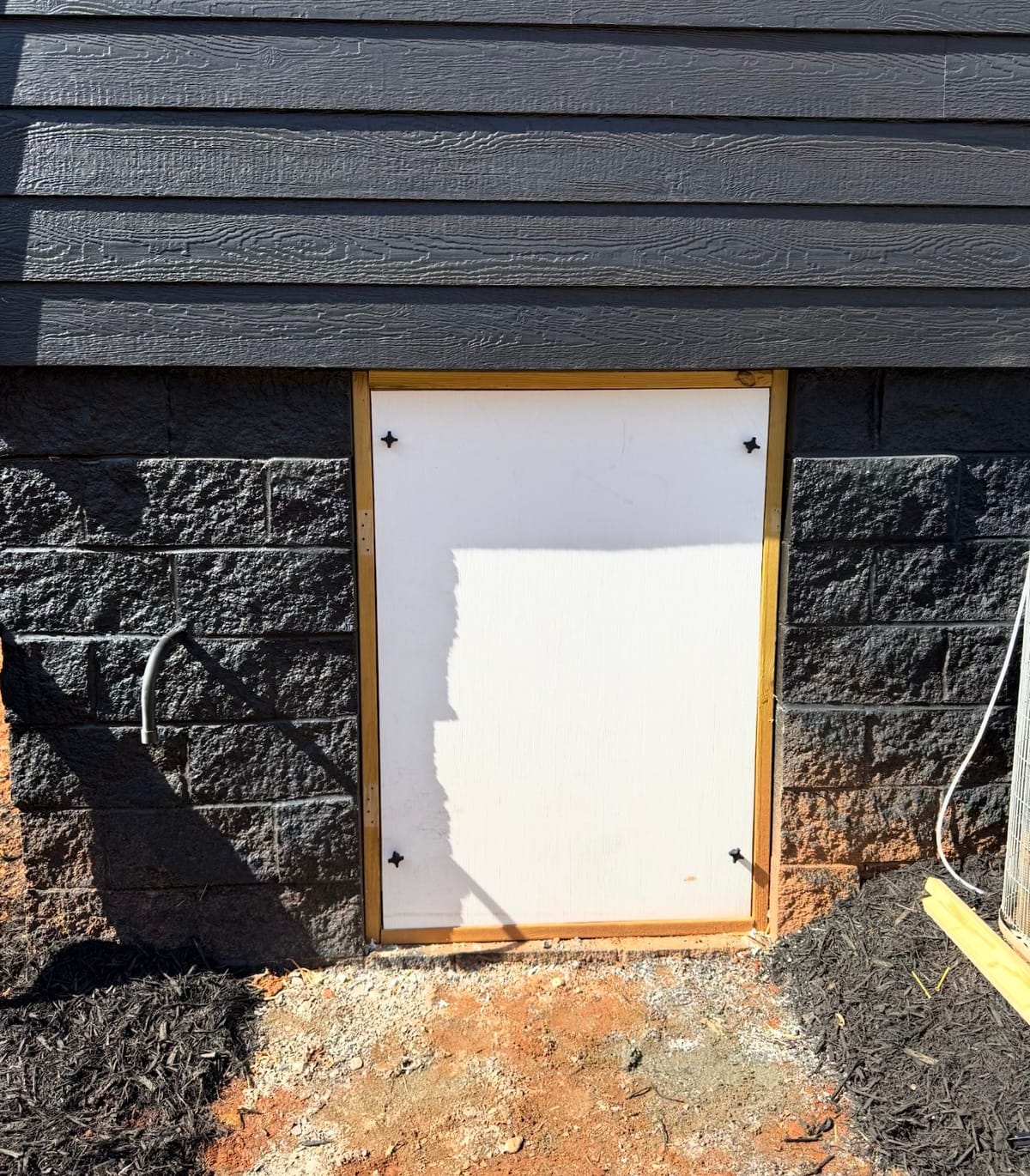
- Installation of custom airtight crawl space access doors
- Integration of drainage solutions and sump pumps if water intrusion is present
- Crawl space dehumidifier to maintain appropriate humidity (typically below 55%)
Unlike a basic vapor barrier (which only covers the ground), full encapsulation transforms the crawl space into a controlled environment, minimizing moisture and pest intrusion, and stabilizing the conditions for your home’s structure and air quality.
Why Is Crawl Space Moisture Control Essential in Upstate SC?
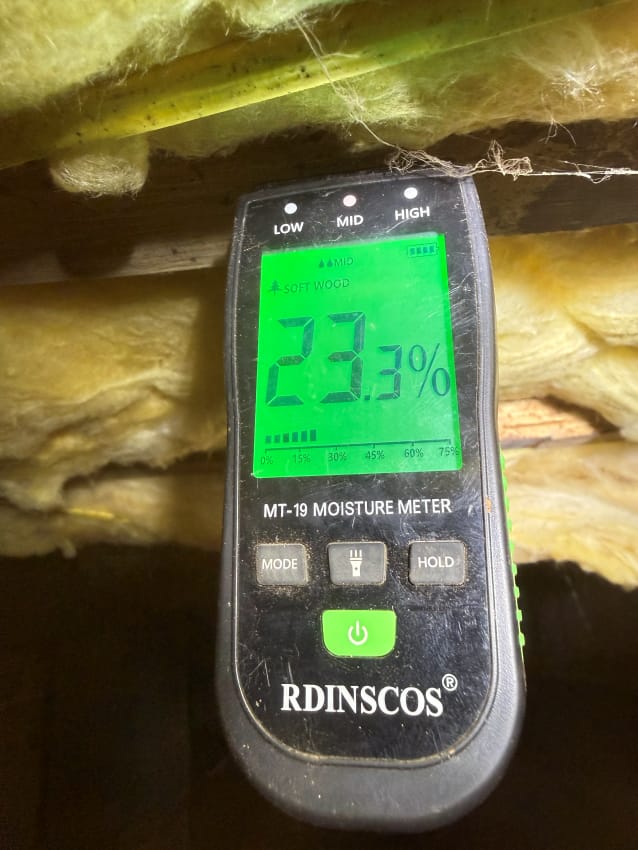
South Carolina’s Upstate is one of the nation’s most humid regions, with frequent storms and red clay subsoils holding moisture near the foundation. Open ventilation systems allow hot, moist outside air into the crawl space, which quickly leads to condensation, musty air, mold, wood rot, insulation failure, and higher HVAC costs.
- Stack effect: As warm air rises, moisture and mold spores from the crawl space move up and affect the air you breathe indoors.
- Humidity spikes: Relative humidity often climbs above 60% beneath local homes—well into mold growth territory.
- Standing water problems: Heavy rain or landscaping issues push water under homes, requiring drainage and sump pumps as a first step before encapsulation can succeed.
Services JHS Crawlspace Specialist Provides in Upstate SC
JHS Crawlspace Specialist offers a full suite of crawl space services including:
- Crawl space encapsulation for full moisture and humidity control
- Vapor barrier and crawl space liner installation
- Custom drainage solutions including interior drains and sump pump installation
- Crawl space dehumidifier installation for consistent air quality
- Annual inspections and maintenance plans
- Crawl space odor and humidity control treatments
- Sealing crawl space vents and upgrading access doors
- Foundation and floor repair in the event of damage caused by moisture
We serve major Upstate SC regions including Spartanburg, Greenville, Anderson, Pickens, Laurens, Union, and Cherokee Counties, as well as prominent neighborhoods in both Greenville and Spartanburg. Our experience ranges from century-old homes in Converse Heights and Hampton Heights to modern construction in Five Forks, Woodfin Ridge, and beyond.
Encapsulation Step-By-Step: How We Deliver Lasting Crawl Space Results
1. Detailed Crawl Space Inspection
- Every project starts with a free, under-home assessment from our team, including moisture readings and photo documentation of issues.
- Findings are explained clearly with honest, pressure-free recommendations for homeowners.
2. Cleanout and Preparation
- Removal of all debris, damp insulation, and old plastic
- Treatment of any visible mold on wood framing with safe, approved products
- Repair of any plumbing or water intrusion sources
3. Drainage and Sump Pump (when required)
- For crawl spaces with standing water, perimeter drains and properly sized sump pump systems are installed before any encapsulation work begins
4. Vapor Barrier and Liner Installation
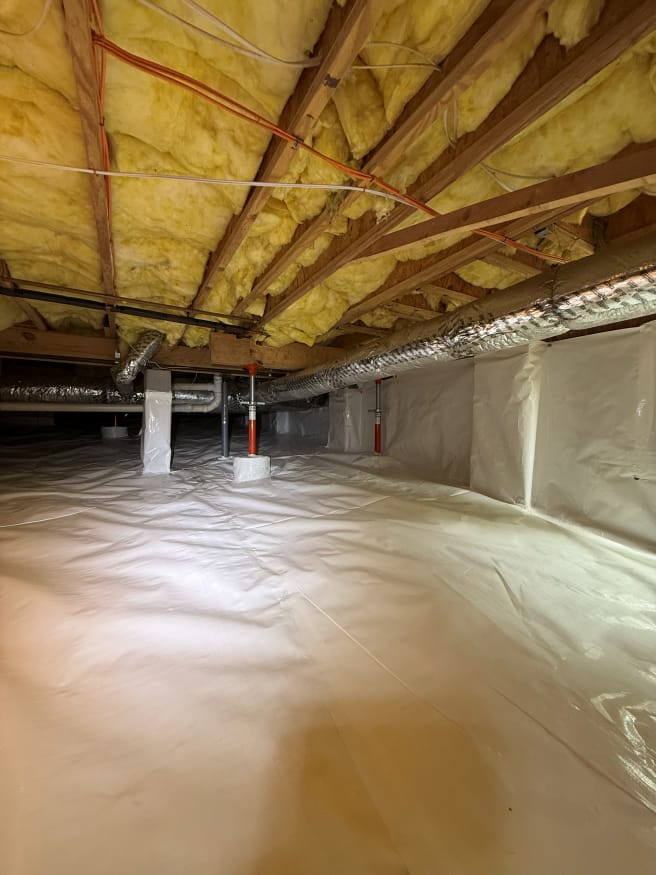
- Use of reinforced, crawl-space-rated plastic liner, installed across the entire floor and running up the foundation walls and piers
- All seams are overlapped 6–12 inches and fully taped, with mechanical attachments at vertical surfaces to ensure a lasting seal
5. Pier Wrapping and Detail Sealing
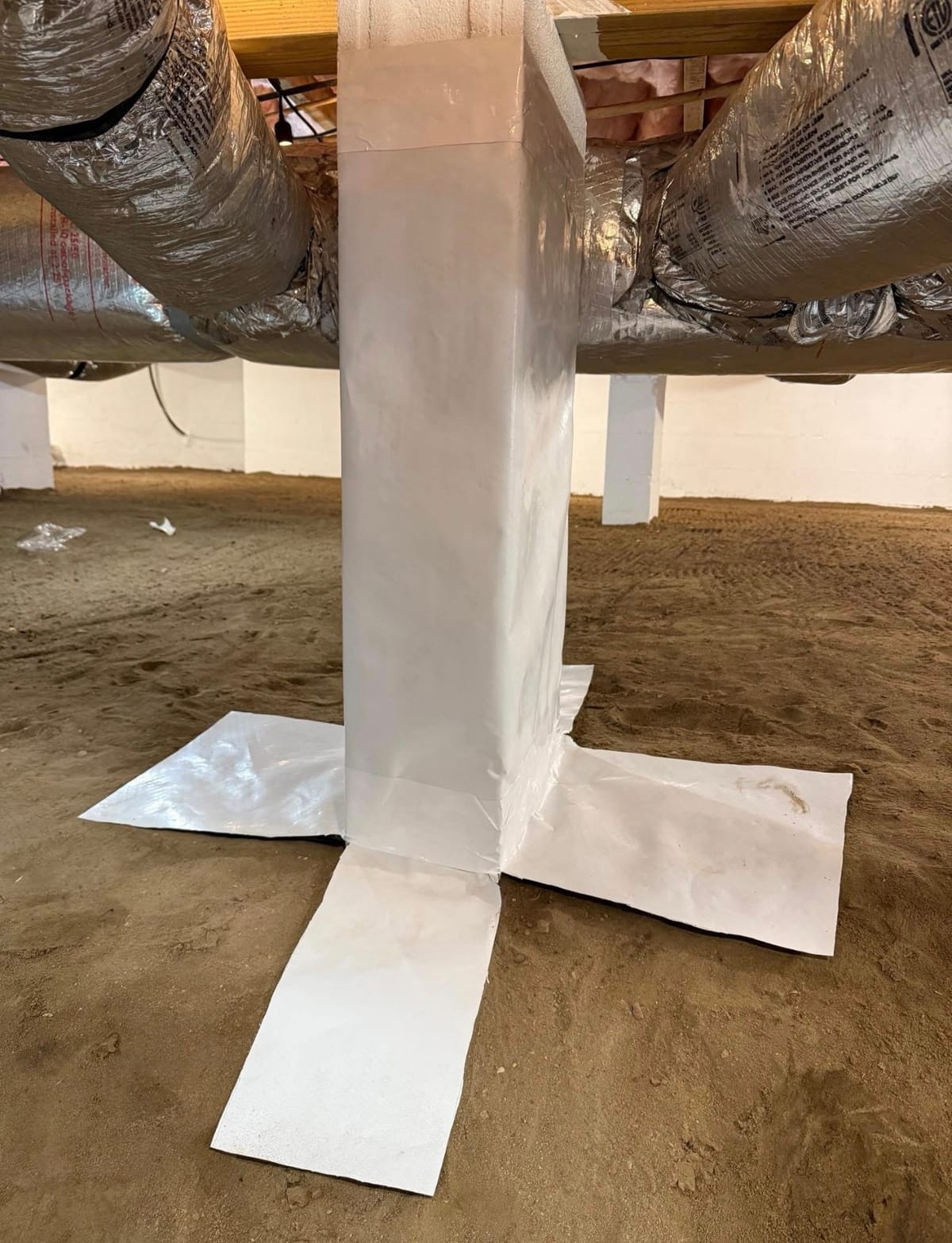
- Every support pier is wrapped in liner and fully sealed to prevent moisture updrafts and air leaks
6. Crawl Space Vent Sealing and Door Upgrades
- All unused foundation vents are sealed with rigid, insulated covers
- Custom-built access doors installed for airtight entry with pest protection
7. Dehumidifier Installation
- Crawl-space rated units sized specifically for each home, set to keep relative humidity below 55% year-round
- Condensate lines routed safely to sump pump or exterior drainage
8. Final Walkthrough & Ongoing Support
- We review the completed project side by side with homeowners, provide before/after photos, and discuss easy maintenance steps and annual checkup plans
Best Practices for Crawl Space Encapsulation and Moisture Control
- Always use a reinforced, crawlspace-specific liner at least 12 mil in thickness
- Overlap all seams and secure corners with tape and mechanical fasteners, not just adhesives
- Fully wrap piers and run the vapor barrier up the wall several inches for a continuous air/moisture seal
- For homes with water intrusion, address drainage and sump pump installation before encapsulating
- Avoid using builder-grade loose plastic—most failures and callbacks come from improper materials or skipped prep steps
- Include ongoing monitoring: periodic crawl space checks, humidity measurements, and maintenance as needed (especially after severe storms)
For a deeper dive into what’s included in a full-system solution, see What Crawlspace Encapsulation Really Includes for Upstate SC Homes.
Common Signs Your Crawl Space Needs Encapsulation
- Musty, damp odors inside the house—especially on lower levels or in certain rooms
- Humidity readings consistently above 60% in the crawl space air
- Condensation on ducts, pipes, or floor joists
- Mold or mildew visible on wood framing, insulation, or foundation
- Sagging or bouncy floors
- Standing water or evidence of previous water seepage
- High energy bills, particularly during humid summers
- Noted problems during real estate or CL100 inspections
Many local homeowners notice a dramatic improvement in air freshness and indoor comfort after encapsulation. To understand why homes in different parts of Upstate SC each face unique risks, see our dedicated articles:
- Why Older Homes in Converse Heights Often Have Crawlspace Moisture Problems
- Crawl Space Encapsulation Greenville SC | Crawl Space Moisture Control, Vapor Barriers & Dehumidifiers
What Makes JHS Crawlspace Specialist Different?
Our approach is always local and personal. As a dedicated crawl space contractor deeply familiar with Upstate SC’s neighborhoods, soil, and climate conditions:
- We provide free, honest crawl space inspections—no pressure, just facts
- Projects are owner-supervised, and communication is prioritized during every step
- Clients receive clear explanations and before/after documentation
- We solve the root problem, not just the symptom, for long-term peace of mind
- We serve clients in Spartanburg, Greenville, Greer, Boiling Springs, Duncan, Moore, and dozens of surrounding communities, including well-known neighborhoods like Converse Heights, Montebello, Five Forks, and many more
Frequently Asked Questions
- How much does crawl space encapsulation cost in Upstate SC?
- Costs vary by size, access, and whether drainage, sump pumps, or repairs are needed. The most accurate way to determine cost is with a free site inspection and written quote—there is no charge or pressure for this service.
- Is just a vapor barrier enough for my home?
- For crawl spaces with low humidity and no water concerns, a quality, well-sealed vapor barrier can be effective. However, homes in humid areas like Upstate SC often need full encapsulation—including wall coverage, vent sealing, and a dehumidifier—for lasting moisture control.
- Will encapsulation stop musty odors?
- Many homeowners report odors disappear or greatly improve after an encapsulation system is installed and moisture levels are controlled.
- How often should an encapsulated crawl space be checked?
- We recommend a simple inspection at least once or twice per year, or after major storms—just checking the liner, humidity readings, and sump pump (if present) takes only a few minutes.
- Can I install a vapor barrier or encapsulation myself?
- While some homeowners attempt basic vapor barrier projects, most find that proper preparation, drainage setup, taping, sealing, and vent/door installation is best handled by a professional due to required tools, materials, and under-home safety concerns.
Conclusion: Healthier Homes Start Underneath
Addressing crawl space moisture is one of the most valuable upgrades an Upstate SC homeowner can make. Encapsulation, vapor barriers, drainage, and dehumidifiers all contribute to healthier living, energy efficiency, and long-lasting protection of the home’s substructure. Whether you’re facing persistent musty smells, elevated humidity, visible mold, or you just want proactive peace of mind, our team is here to help.
For expert advice or to schedule a free, honest crawl space inspection anywhere in Spartanburg, Greenville, Greer, Boiling Springs, Duncan, Anderson, Easley, Gaffney, Union, Laurens, Clemson, Seneca, and surrounding Upstate communities, connect with JHS Crawlspace Specialist. Experience the difference of a local contractor dedicated solely to creating cleaner, drier, safer spaces beneath your home.