Why Older Homes in Converse Heights Often Have Crawlspace Moisture Problems
If you own an older home in Converse Heights, Spartanburg, crawlspace moisture is a frequent concern due to a unique blend of red clay soils, traditional building methods, and Upstate South Carolina’s humid climate. At JHS Crawlspace Specialist, we have inspected and repaired countless crawlspaces in this neighborhood, witnessing firsthand how these factors combine to create persistent dampness, musty odors, and mold under the home. Understanding why these issues are so common in older homes is the crucial first step in protecting your home’s structure, air quality, and long-term value.
What Is Crawlspace Moisture and Why Does It Matter?
Crawlspace moisture refers to water in any form (liquid or vapor) accumulating under your home between the ground and the subfloor. In Converse Heights, this may show up as standing water after rain, high humidity year-round, condensation on pipes and ductwork, musty smells, or visible mold. Even if you rarely enter the crawlspace, moisture below can negatively impact your family’s health, cause wood rot, drive up energy bills, and threaten the integrity of your home’s foundation.
Top Causes of Crawlspace Moisture in Older Converse Heights Homes
1. Soil and Terrain: The Challenge of Red Clay
The natural red clay soil of Spartanburg holds water for long periods, especially after heavy rains. Unlike sandy soil that drains quickly, red clay swells when wet and drains slowly, often keeping foundation walls damp for weeks. If the terrain around a house slopes toward the foundation, or if downspouts and surface water are not properly managed, water regularly seeps through crawlspace walls or collects directly under the home.
- Poor Drainage: Many older landscaping designs cause water to flow toward, not away from, the foundation.
- Old Concrete Walkways & Patios: Settled walks can direct roof runoff back toward your crawlspace walls.
- Heavy Roof Runoff: One inch of rain on a 2,000 sq. ft. roof produces around 1,200 gallons of water. Poorly directed downspouts mean a significant portion ends up beneath your home.
2. Outdated Crawlspace Construction Methods
Most homes in Converse Heights were not originally designed with modern moisture control in mind. Traditional crawlspaces often featured open vents, exposed dirt floors, or only thin plastic sheets on the ground. While the idea was to let outside air naturally “dry” the space, local humidity actually makes things worse. When warm, humid air enters a cooler crawlspace, condensation forms on pipes, joists, and insulation—fueling ongoing moisture problems.
- Vented Designs Allow Humid Air Inside: Summer humidity (60%–90%) pours through open vents, causing surfaces to sweat.
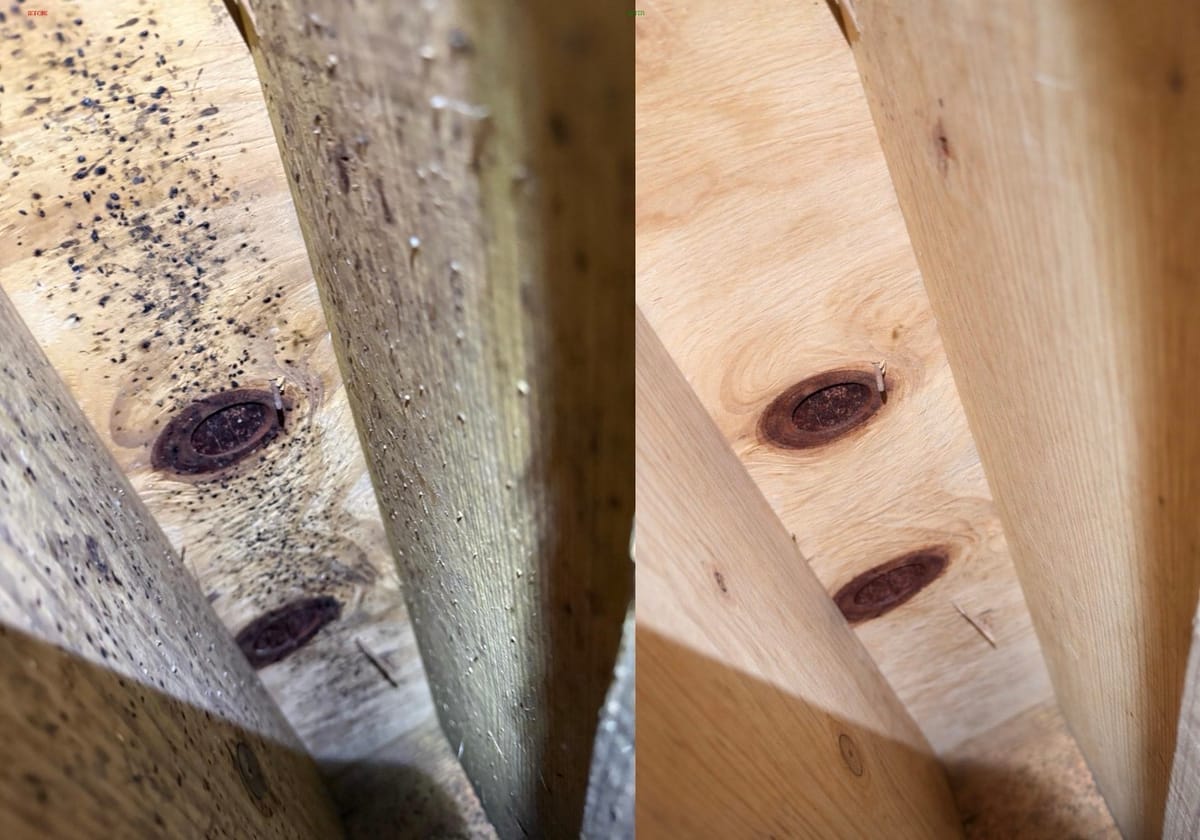
- Bare Dirt or Thin Plastics: Dirt floors leak water vapor upward constantly, and unsealed thin plastic barriers can’t stop it at the seams.
- Shallow Footings and Masonry Walls: Older materials crack and allow more moisture over the years. Gaps and poor insulation worsen the situation.
3. Impact of Aging Building Materials
Even if two homes have the same exposure, the older one typically suffers more quickly. Wood, mortar, and metal degrade faster after decades of wet-dry cycles. Old fiberglass insulation sagging from joists, rusted metal supports, and soft subfloors are routine finds for our team in Converse Heights.
- Wood in older homes absorbs more moisture and dries more slowly.
- Mortar and brick often crack or deteriorate, especially at corners or low spots.
- Insulation turns soggy and provides ideal conditions for mold growth and pests.
How Moisture Shows Up Inside Your Converse Heights Home
Most homeowners first notice crawlspace issues not under the house, but inside. Some warning signs include:
- Musty, “old basement” odors in living spaces—especially in first floor rooms or closets.
- Visible mold or mildew under the house, or in corners of the floor.
- Standing water or persistently damp soil under the crawlspace after rain.
- Condensation on ductwork, plumbing, and the underside of your flooring.
- Sagging, fallen, or moldy insulation.
- Soft floors, creaks, or tile grout cracking in patches.
- Increased allergy or respiratory problems that improve when the home’s air quality is addressed.
Much of the first floor air actually rises from the crawlspace through a process called the “stack effect.” If conditions below are damp and musty, so is your breathing air.
Why Spartanburg’s Climate Makes the Problem Worse
Upstate South Carolina’s hot, humid summers mean moist air seeps into every vent and gap during the warmer months. Even in winter, groundwater can remain high and create condensation issues on cold pipes and subfloors. Spring storms often push water through small cracks and gaps—especially in areas of Converse Heights with older or settled foundations. The combination of local soil, rainfall patterns, and temperature swings puts long-term stress on materials, accelerating wood rot and insulation failure.
What Are the Long-Term Risks of Ignoring Crawlspace Moisture?
- Persistent dampness breeds mold and mildew, contaminating living areas and causing health problems.
- Wood rot develops in joists and beams, threatening structural safety.
- Insulation failures raise energy bills and leave rooms uncomfortable.
- Repeated wet-dry cycles crack brick and foundations, undermining your investment.
- CL100 or home sale inspections can reveal major crawlspace defects, delaying closings or reducing property value.
- Attracts termites, pests, and further degradation of the property.
The Expert Approach: Effective Crawlspace Moisture Solutions for Older Homes
Solving crawlspace moisture in Converse Heights is about systems—not single products. JHS Crawlspace Specialist focuses exclusively on crawlspaces across Spartanburg and the Upstate, and our process combines practical, proven steps with honest recommendations.
Step 1: Comprehensive Crawlspace Inspection
- We provide free under-home inspections, including humidity, moisture, drainage, and mold checks, with photo documentation.
- Every inspection delivers a clear written report with itemized recommendations, never pressure or scare tactics.
Step 2: Sealed Vapor Barriers or Full Encapsulation
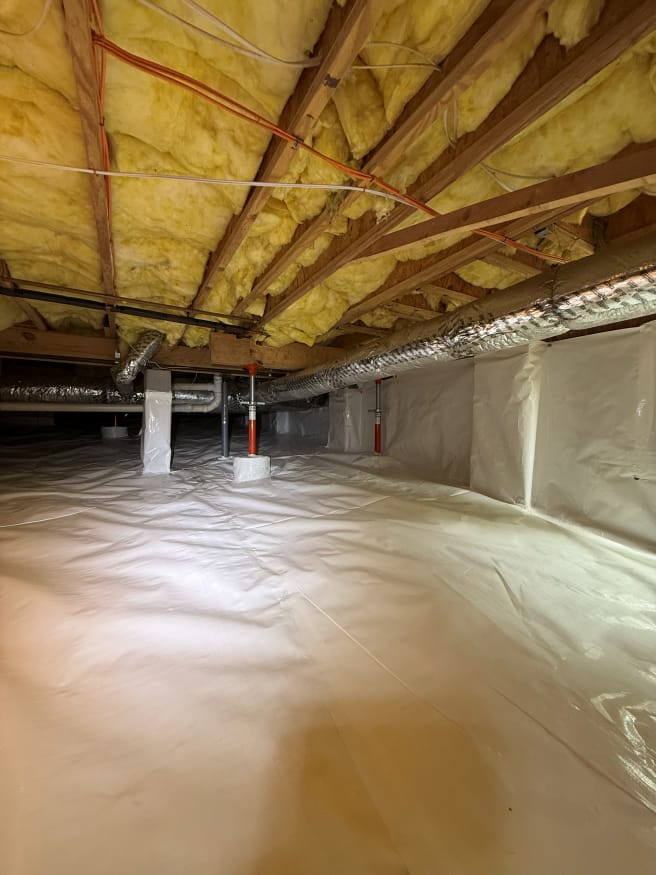
- For minor issues, we install reinforced vapor barriers with full coverage and sealed seams to block ground moisture.
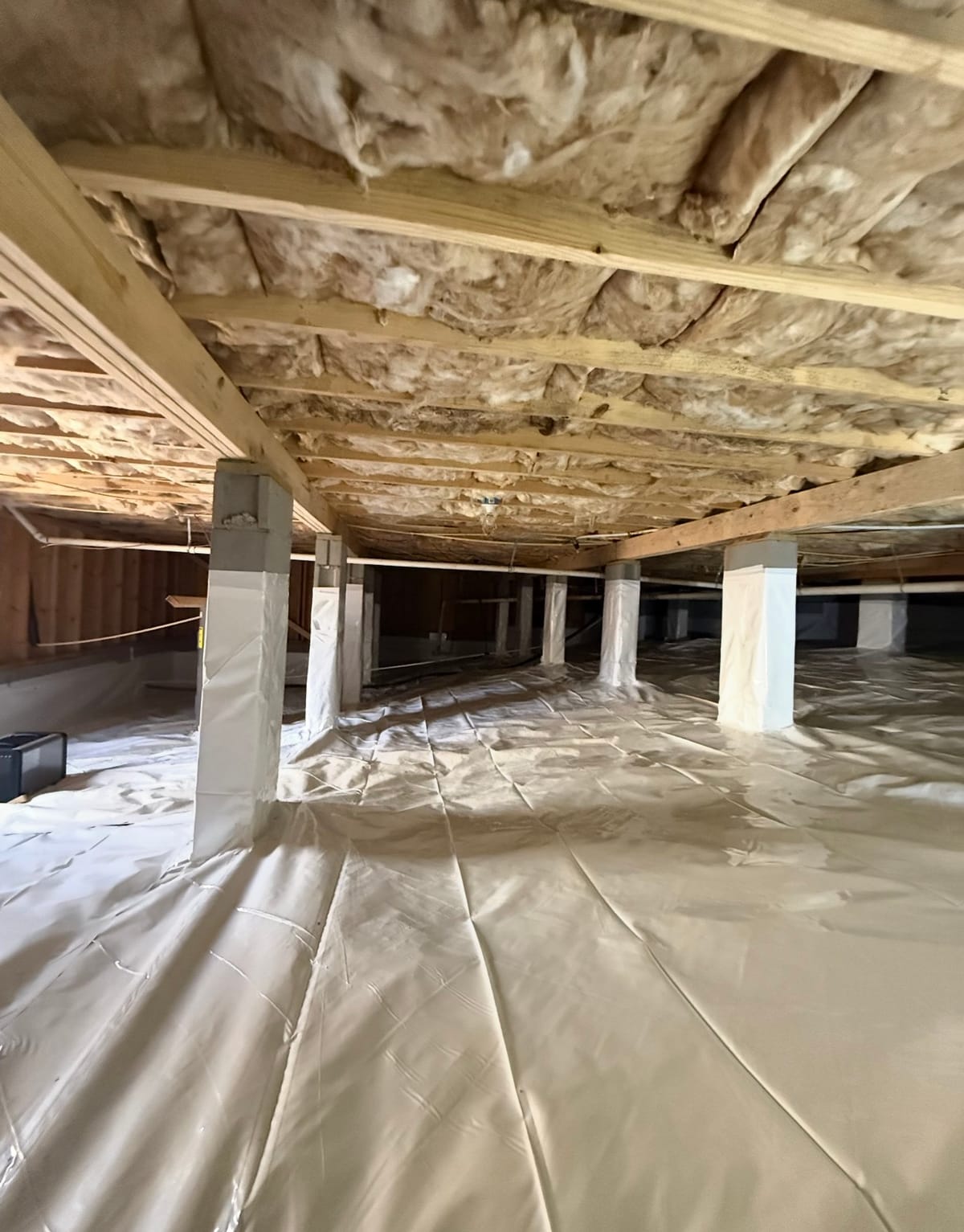
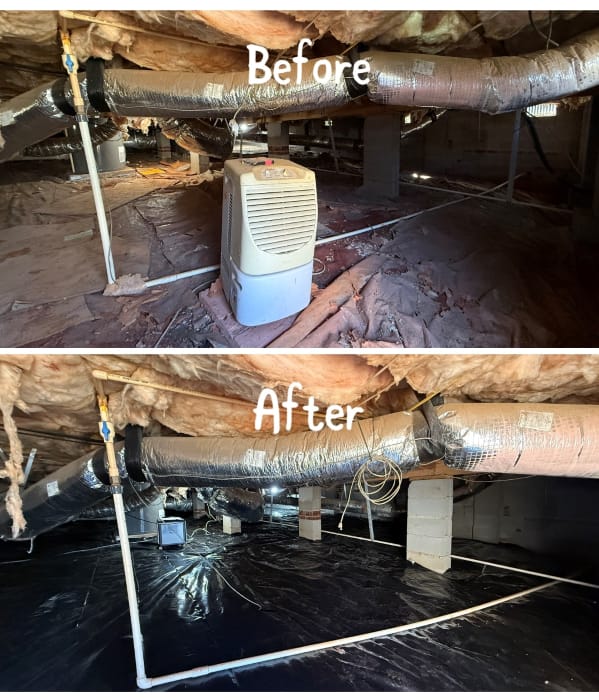
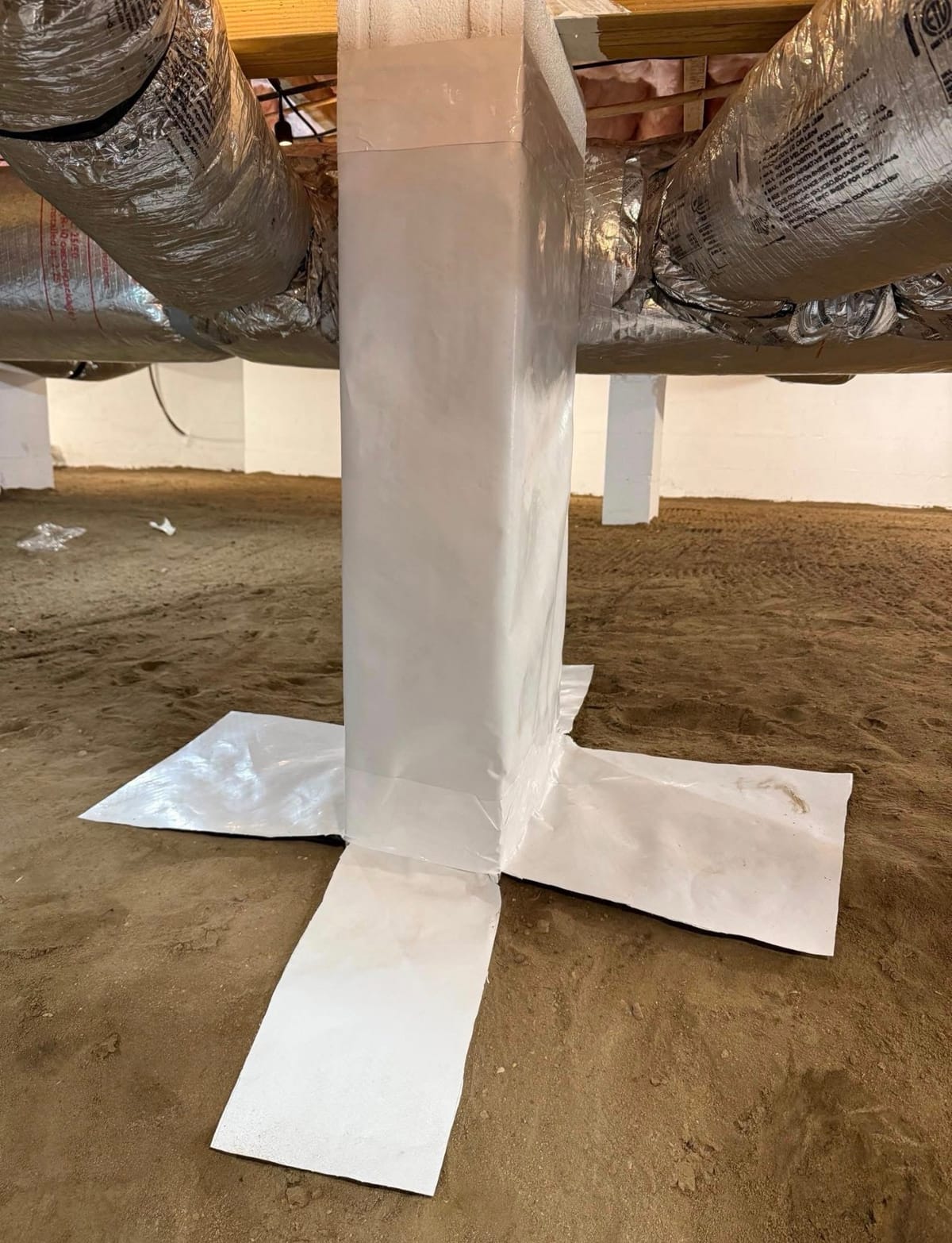
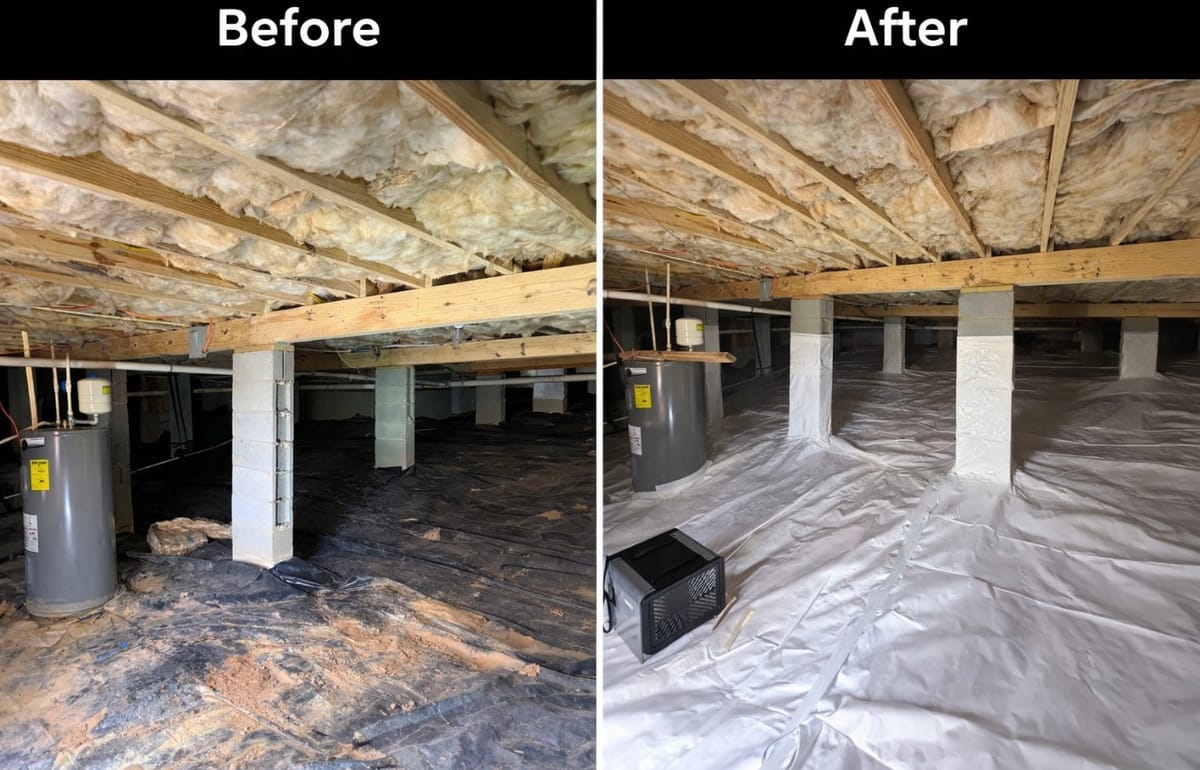
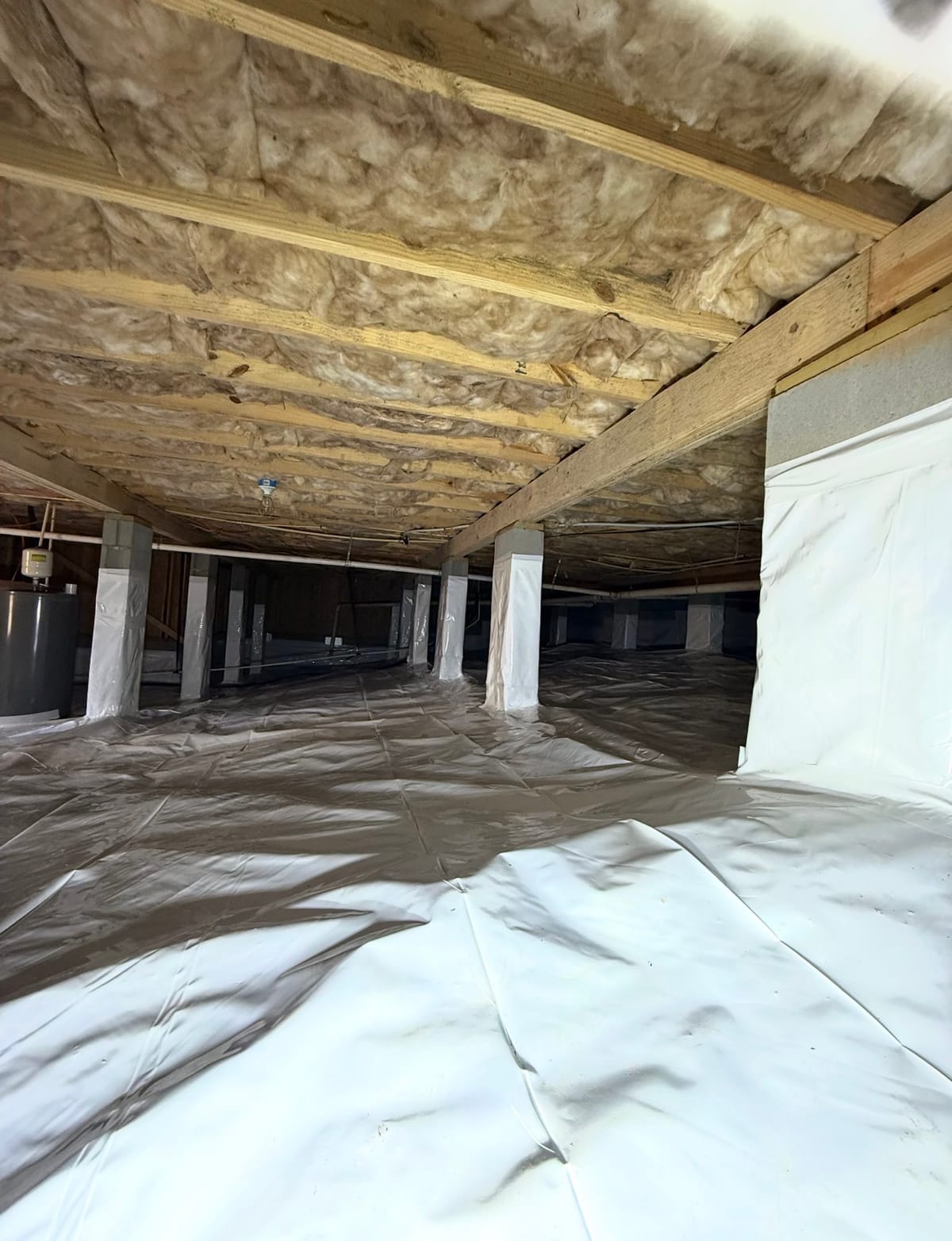
- For persistent dampness or water entry, our crawlspace encapsulation system seals the ground and walls, wraps piers, closes vents, and often includes a sealed, insulated door. This turns a crawlspace from a damp basement into a dry, healthy extension of your home.
To learn more about what modern encapsulation should include, see our in-depth resource here.
Step 3: Crawlspace Dehumidification
- We install professional, crawlspace-rated dehumidifiers, ensuring humidity is consistently kept below 55% under the home.
- This stops condensation, slows mold/mildew growth, and protects your home’s framing year-round.
Step 4: Drainage and Exterior Water Management
- In homes where water intrusion is a chronic problem, simple drainage improvements such as extending downspouts or regrading soil make a dramatic difference when combined with interior repairs.
Should All Older Converse Heights Homes Be Encapsulated?
Not every home requires full encapsulation. Sometimes a well-installed vapor barrier, targeted vent sealing, or just a properly sized dehumidifier solves the problem. Our approach at JHS Crawlspace Specialist is always to recommend the most effective, practical solution for your specific home, never more—and always with transparent explanation backed by photos and measurements.
For more on why vented crawlspaces rarely work in our climate, see our guide here.
Selling Your Converse Heights Home? Moisture Matters
Homes in Converse Heights appeal to buyers who love historic charm, but they expect modern performance. Unchecked crawlspace problems often result in costly repairs ahead of closing, inspector red flags, or disappointed buyers. Proactively addressing moisture issues with documentation from a trusted local specialist can protect home value and speed up real estate transactions.
Best Practices to Prevent and Manage Crawlspace Moisture
- Regularly check crawlspace access points for water stains, mold, or sagging insulation.
- Monitor for musty odors, persistent humidity, or changes in the feel of first floor rooms.
- Direct downspouts far from the foundation, and watch for pooling after storms.
- Have a free inspection performed by a dedicated crawlspace specialist—not a general contractor.
- Take photos and keep documentation of any work completed for your records or future buyers.
Frequently Asked Questions About Crawlspace Moisture in Converse Heights
Do all older homes in Converse Heights have crawlspace moisture problems?
Most do, especially those with vented crawlspaces, red clay soil, or aging vapor barriers. However, some well-maintained or updated homes have addressed these issues. Free inspections are the best way to know your situation.
How dangerous is crawlspace mold for my family?
Mold in the crawlspace can raise spore and allergen levels inside the living space. Musty odors, worsened allergies, and respiratory discomfort are common complaints. Correcting moisture, removing mold, and sealing the crawlspace improves indoor air quality.
Can standing water in my crawlspace be fixed permanently?
Yes. Most standing water issues can be addressed by a combination of encapsulation, dehumidification, and exterior drainage work. A professional evaluation pinpoints the cause and customizes the solution.
Is a vapor barrier enough, or do I really need encapsulation?
If minor dampness is your only issue, a high-quality vapor barrier can help. In homes with ongoing moisture, open vents, or visible mold, full crawlspace encapsulation is the best permanent fix.
Why do my floors feel bouncy or soft in spots?
Bouncy or soft floors are usually due to high humidity, rotted wood joists, or collapsed insulation under the floor—all common results of crawlspace moisture. Proper encapsulation and repair restore support and prevent future damage.
How soon will I notice a difference after crawlspace repair?
Many homeowners notice fresher air, drier smells, and less humidity inside almost immediately after work is completed. Long-term benefits include lower energy bills, reduced pest problems, and protection of your investment.
Conclusion: Why Turn to JHS Crawlspace Specialist?
As a local company serving Converse Heights and the entire Upstate, JHS Crawlspace Specialist takes pride in honest, pressure-free assessments, clear communication, and doing the job right. Our expertise is built on years of solving crawlspace moisture for families, realtors, and property managers who want permanent fixes—not band-aids. Our gallery of before-and-after projects and dozens of 5-star reviews reflect our commitment to honest results and customer satisfaction.
Ready to protect your home, air, and peace of mind? Contact us for a free crawlspace inspection or explore our resource on why older homes in Converse Heights struggle with moisture for further reading. Healthier homes in Converse Heights really do start underneath.