Crawlspace Encapsulation in Converse Heights, Spartanburg SC: Why Older Homes Struggle With Moisture

If you live in Converse Heights, Spartanburg, you’re probably all too familiar with the hidden battle many older homes wage against crawlspace moisture. Decades-old construction methods, South Carolina’s humid climate, and red clay soils have combined to leave countless crawlspaces in this neighborhood perpetually damp—often without homeowners even realizing it. At JHS Crawlspace Specialist, we are in crawlspaces across Spartanburg every week, and Converse Heights consistently stands out for recurring humidity, musty odors, sagging insulation, and moisture beneath the home.
Many Converse Heights homes were originally built with vented crawlspaces, based on the belief that foundation vents would allow the space to “dry out.” Unfortunately, in humid Upstate South Carolina, the opposite often occurs. Warm, moist air from outside enters through vents during the spring and summer, colliding with cooler surfaces under your flooring system. The end result is condensation and trapped moisture under your house year-round. Over time, this can escalate to issues such as musty indoor smells, elevated humidity, damp insulation, soft or uneven floors, higher energy bills, and even standing water after heavy rains.
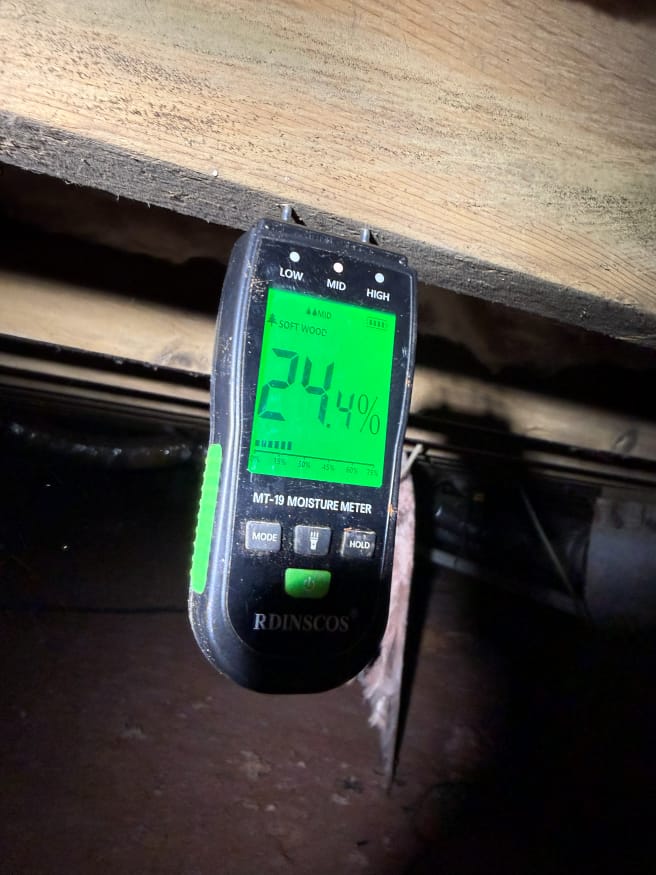
Why Crawlspace Moisture Persists in Converse Heights
- Red Clay Soil: The red clay common in Spartanburg retains water after rain, releasing moisture upward into crawlspaces over time.
- Vented Foundations: Most homes were built with open vents that actually allow humid summer air to enter and condense on cooler surfaces below.
- Aging or Ineffective Vapor Barriers: Thin, damaged, or incomplete plastic sheets often line the crawlspace floor, not providing full protection.
- Lack of Active Humidity Control: Many older crawlspaces have no dedicated dehumidification, so humidity levels climb unchecked.
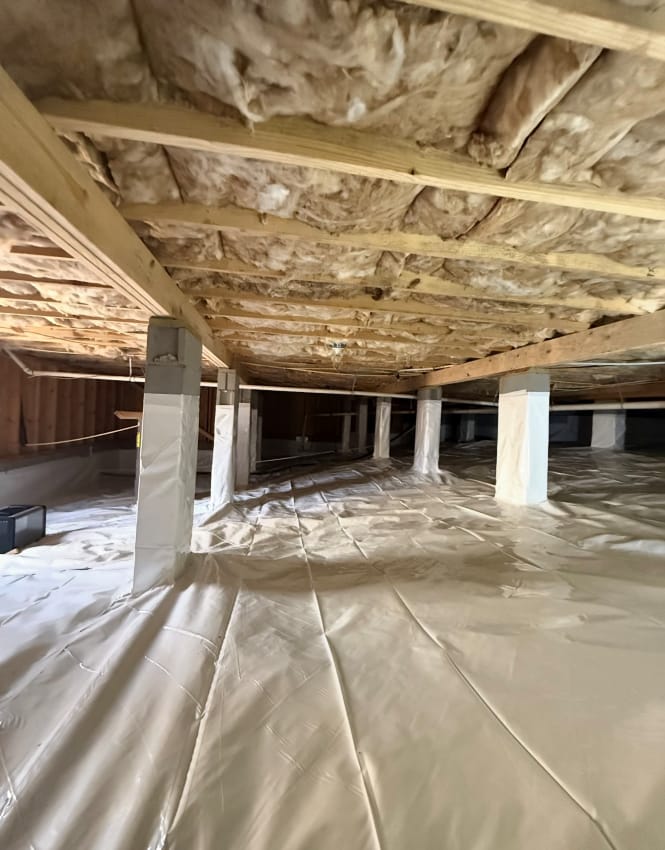
What Does This Mean for Your Home’s Health?
Typical symptoms of crawlspace moisture include:
- Persistent musty or earthy smells inside
- Damp, sagging, or moldy insulation under your floors
- Condensation on ductwork, pipes, or HVAC lines
- Visible water stains or actual standing water after heavy rains
- Soft, uneven, or bouncy floors, especially near kitchens and bathrooms
- Chronic high humidity indoors causing stuffiness
- Higher than expected utility bills
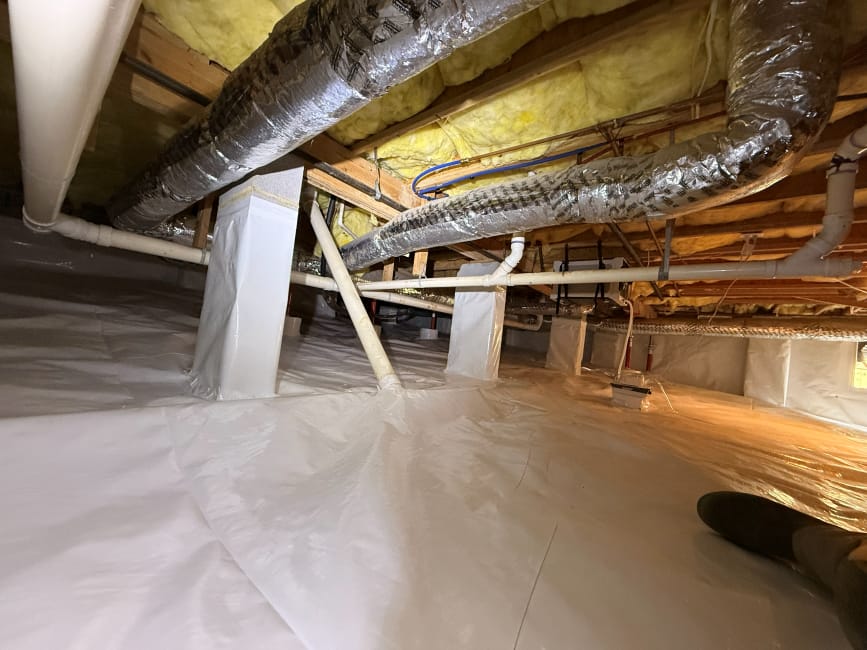
Worryingly, as much as half of the air you breathe on the first floor of your home can originate in the crawlspace. When that air is laden with moisture, mold spores, or odors, it gets drawn inside through the "stack effect," diminishing air quality and triggering allergies or persistent odors throughout the house. If you notice musty smells becoming more intense when your HVAC runs, or the floors feel wet or humid to the touch, it’s time to look beneath the surface.
How to Identify Crawlspace Moisture Problems
- Musty smells, especially when HVAC cycles on
- Floors feeling humid or sticky during summer
- Condensation on ductwork, registers, or supply vents
- Torn, missing, or bunched-up vapor barriers
- Excess humidity (over 60%) measured underneath the home
- Cold floors in winter months despite heating
- Moldy or wet insulation, or visible water stains on wood framing
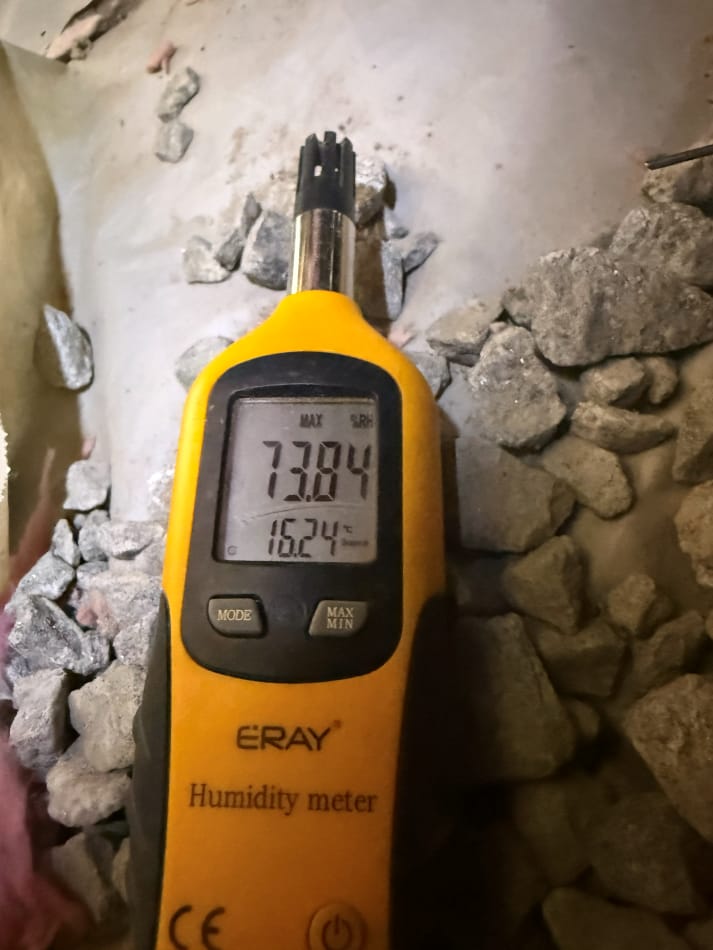
Many crawlspaces look "normal" at a glance—until a professional inspection reveals high moisture readings. Even newer construction can fall victim if barriers or humidity controls are missing or poorly installed. Homeowners typically notice problems by smell first, long before they realize how much humidity is trapped below the floors.
What Is Crawlspace Encapsulation?
- Installation of a heavy-duty vapor barrier across the floor and walls
- Pier wrapping to block ground moisture around supports
- Sealing crawlspace vents and access doors
- Professional-grade crawlspace dehumidifier installation
- Moisture and odor control treatment if needed
- Addressing drainage or grading if there's recurring standing water
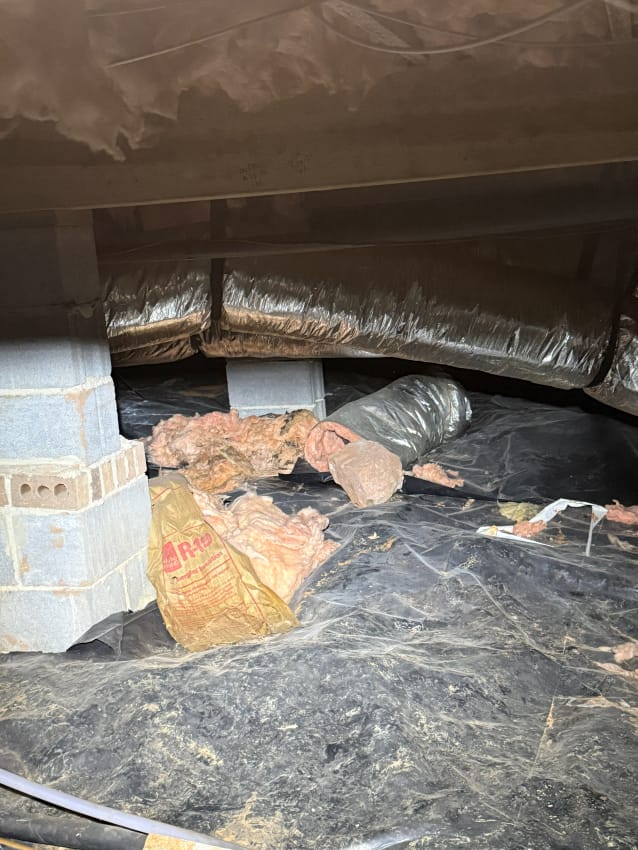
At JHS Crawlspace Specialist, we tailor recommendations to your crawlspace’s specific condition and your long-term goals. Some Spartanburg homes need a new vapor barrier and dehumidifier, while older or severely damp spaces benefit most from a comprehensive encapsulation approach. Our focus—and the reason many realtors, contractors, and homeowners call us first—is on doing the job right, not just selling you the biggest package.
Why Dehumidifiers are Essential in Crawlspaces Across Spartanburg
Even with a vapor barrier in place, South Carolina’s persistent humidity requires active control. Installing a crawlspace-optimized dehumidifier is one of the most effective ways to:
- Consistently keep humidity in the optimal 45–55% range
- Eliminate musty odors migrating into the home
- Protect wood framing from excess moisture and decay
- Prevent condensation on ducts and pipes
- Safeguard insulation and keep flooring solid underfoot
- Support healthier indoor air quality
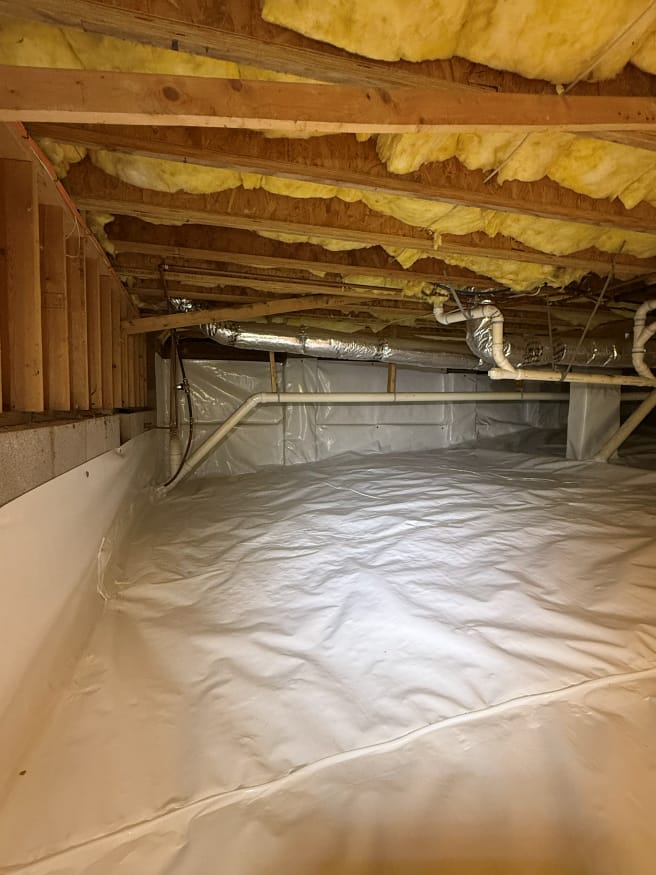
During stretch of hot, muggy summer days when outdoor humidity soars, a properly sized dehumidifier keeps your crawlspace—and your home’s air—safe and comfortable. It's worth noting that simply replacing old plastic or patching up barriers rarely solves deeper moisture issues unless you also address persistent humidity buildup.
Best Practices for Crawlspace Health in Converse Heights
- Schedule regular inspections, even if problems aren’t visible
- Address any signs of condensation, fallen insulation, or musty smell quickly
- Invest in professional-grade vapor barriers and dehumidifiers sized to your space
- Choose vent sealing and encapsulation over relying on old crawlspace ventilation
- Work with proven, local specialists like JHS Crawlspace Specialist who focus exclusively on crawlspaces
If you’re curious how this compares to approaches like basic plastic replacement or vented crawlspace "repairs," review our guide: Why Crawl Space Vents Actually Make Moisture Problems Worse in Spartanburg SC.
What Happens if Moisture Problems Are Ignored?
Unchecked crawlspace humidity in Converse Heights nearly always worsens with time. What starts as minor condensation or slight odors can evolve into the following:
- Widespread mold and persistent mustiness
- Structural wood rot or warping
- Insulation falling down and losing effectiveness
- Bouncy or uneven flooring that requires repair
- Noticeably increased indoor humidity and utility costs
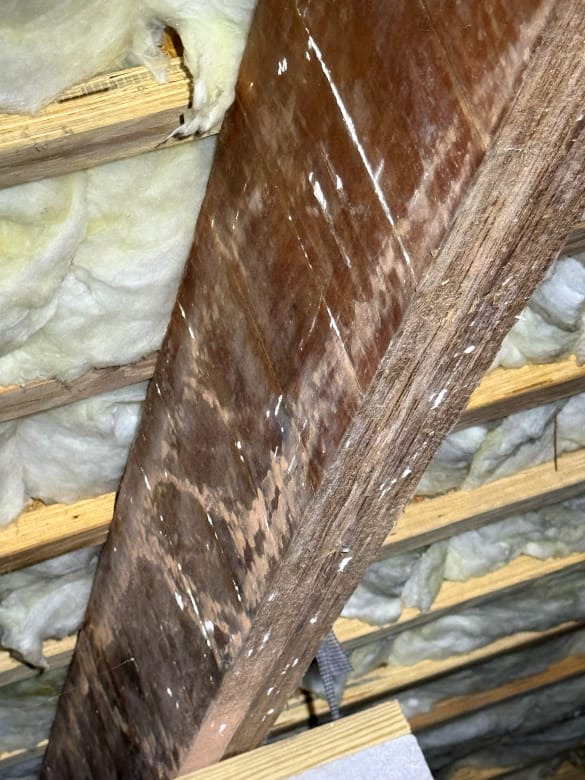
The good news: most crawlspace moisture problems can be solved or prevented with prompt, targeted action—long before major home repairs become necessary.
Our Step-by-Step Approach to Crawlspace Encapsulation
- Free Inspection: We schedule a time to access your crawlspace, document findings with photos, and use professional moisture meters and humidity sensors.
- Clear Recommendations: You receive a straightforward explanation of what's in good shape, what needs attention, and which issues can wait. There is never pressure or scare tactics.
- Tailored Solutions: Options are customized—some homes need only a quality vapor barrier, others require full encapsulation and dehumidification.
- Professional Installation: Every step—from removing old debris, sealing seams, wrapping piers, installing dehumidifiers, and creating airtight vent covers—is handled with attention to detail and clear standards.
- Ongoing Assurance: We check our work, verify humidity targets, and make sure you truly understand the results.
Service Areas and What Sets JHS Crawlspace Specialist Apart
We’re a locally owned, specialist company working throughout Spartanburg, Converse Heights, Hillbrook, Drayton, Glendale, Boiling Springs, Moore, Inman, and surrounding Upstate SC communities. Our difference:
- Free, detailed crawlspace inspections (photos, explanations, no-pressure recommendations)
- Every job handled by a true expert—never outsourced or rushed
- Clear, itemized estimates and honest answers
- Professional, clean installation—see real before-and-after results at our project gallery
FAQ: Crawlspace Encapsulation and Moisture in Converse Heights
Why were crawlspaces built with vents in older homes?
Builders once believed vents would dry out crawlspaces. In South Carolina’s humid climate, this leads to humid air entering and trapping moisture under the house—often the reverse of the intended effect.
Is a vapor barrier alone enough?
A vapor barrier helps block ground moisture, but by itself it rarely controls persistent high humidity from outside air—especially in older vented crawlspaces. A dehumidifier and vent sealing are usually needed for long-term results.
What are some early warning signs?
Musty odors, cold or damp-feeling floors, condensation on ductwork, and bunched or missing vapor barriers are all early signs of a moisture issue.
Can new construction homes have crawlspace moisture problems?
Yes. Even new homes develop issues if vapor barriers are poorly installed or humidity isn’t actively controlled.
How is JHS Crawlspace Specialist different?
We focus solely on crawlspace solutions, offer free inspections, only recommend what you truly need, and complete all work personally (never subcontracting).
Is encapsulation a good investment?
Encapsulation not only protects your home’s structure and air quality, but also can improve energy efficiency and reduce the risk of costly repairs later on.
Take the Next Step Toward a Healthy Crawlspace
If your home in Converse Heights has musty odors, unexplained humidity, or visible moisture under the house, now is the perfect time to act before conditions worsen with the summer heat. At JHS Crawlspace Specialist, we offer free crawlspace inspections throughout Spartanburg and nearby neighborhoods. We’ll document what’s happening beneath your home, give honest advice without upselling, and help you choose the right solution—whether that’s a simple barrier replacement or a full encapsulation with dehumidification.
Ready to protect your home and your air quality? Schedule your free, no-pressure crawlspace inspection today, or explore our website to learn more about our encapsulation services and see real results from local projects.
For further reading, discover what a complete crawlspace encapsulation process actually includes for Upstate SC homes and get more tips in our other crawlspace moisture control blogs.