Signs Your Crawlspace Needs an Inspection Before Upstate SC Summer Humidity
Homeowners in Upstate South Carolina know summer humidity can take a toll on their homes, but what happens beneath the floors often goes unnoticed—until structural or air quality problems surface. Recognizing the early warning signs that your crawlspace needs an inspection before Upstate SC summer humidity arrives is essential for protecting your home’s value, air quality, and peace of mind. This guide is built on hard-won local expertise and is intended for homeowners who want clear, actionable advice from the region’s leading specialists.
Why Timely Crawlspace Inspections Matter in Upstate SC
Each year, persistent humidity from May through September dramatically increases the risk of excess moisture, mold, and material decay in vented or unprotected crawlspaces. Here in Spartanburg, Greer, Boiling Springs, Inman, and surrounding Upstate communities, outside air regularly exceeds 80% relative humidity during summer. When that air seeps through foundation vents or unsealed seams, it condenses inside your crawlspace, creating a prime environment for mold, rot, and air quality problems. Addressing small issues in spring or early summer prevents much more expensive repairs when August arrives.
Definition: What Is a Crawlspace Inspection?
A crawlspace inspection is a thorough assessment conducted by a qualified professional to identify moisture, mold, humidity, insulation, and structural issues under a home. JHS Crawlspace Specialist provides free, detailed inspections for homeowners across Upstate SC, focusing on practical solutions rather than pressure sales. Their process includes a full under-home walkthrough, humidity and moisture measurement, photo documentation, and clear, itemized recommendations tailored for each property’s needs.
Key Warning Signs Your Crawlspace Needs an Inspection
Common Issues Homeowners Notice Inside the Home
- Musty or earthy odors—A telltale indicator of high humidity and potential mold beneath your floors. These smells are often strongest on the first floor or after wet weather.
- High indoor humidity or sticky air—If your home feels clammy or you see condensation on windows, excess crawlspace moisture could be the culprit.
- Bouncy or uneven floors—Moisture leads to rot in floor joists, making floors sag, flex, or creak. If furniture rocks or the floor feels spongy, the underlying structure may be compromised.
- Unusually high summer energy bills—Wet insulation and humid crawlspace air force your cooling system to work overtime, raising your costs.
- Worsening allergies or respiratory irritation—Crawlspace mold spores and allergens travel upward, aggravating symptoms for those with asthma or sensitivities.
Specific Crawlspace Red Flags (Visual Inspection or Recent Photos)
- Standing water or wet soil—Any pooling after rain, constantly muddy soil, or moisture-tinted wood are urgent signals that drainage or vapor controls are failing.
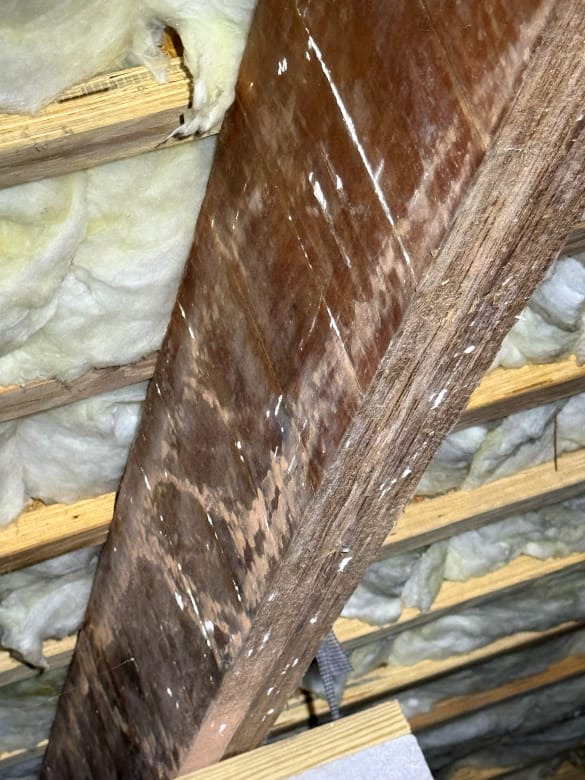
- Visible mold or mildew on wood or insulation—Spots, stains, or fuzzy growth on lumber and insulation mean sustained humidity, requiring fast attention.
- Condensation on ducts, pipes, or vapor barrier plastic—Beads of water reveal that humid air is condensing inside the space, fueling future damage.
- Damaged, hanging, or wet insulation—Pink fiberglass that droops, falls, or appears waterlogged no longer insulates and may harbor mold.
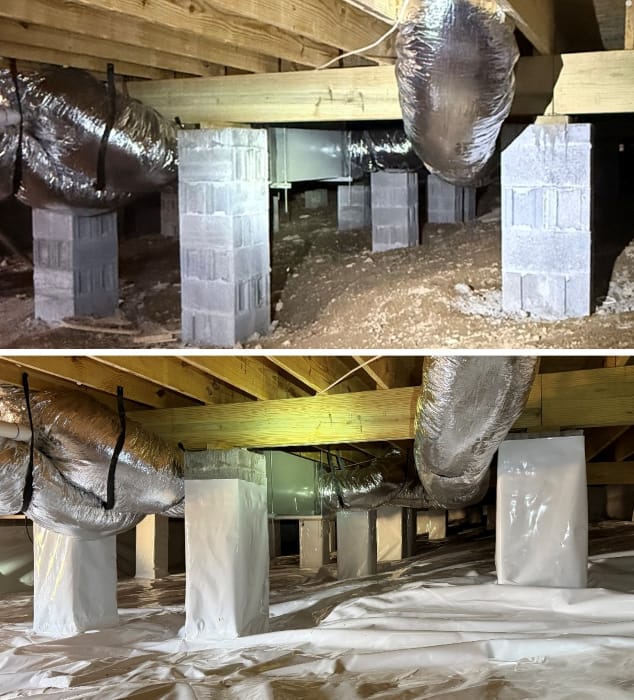
- Torn, thin, or incomplete vapor barrier—Partial plastic coverage, gaps, tears, or exposed dirt fail to block ground moisture.
- Cracks, gaps, or signs of pests—Foundation gaps let in warm humid air and critters, often making moisture control even harder.
Why Early Action Matters: What Humidity Does in 60–90 Days
- First 30 days: Humidity rises, condensation forms on surfaces, and musty odors often begin indoors.
- 30 to 60 days: Mold may appear on joists and insulation, floors start feeling bouncy, insulation droops, and cooling bills rise.
- 60 to 90 days: Mold spreads, woods risk rot, and costs of remediation sharply increase.
Addressing issues in late spring or early summer is more manageable, less expensive, and protects your living environment before extensive clean-up is needed.
How JHS Crawlspace Specialist Conducts a Professional Crawlspace Inspection
- Initial conversation and symptom checklist—We start with a careful review of the homeowner’s observations, energy bills, and recent inspection reports (such as CL100).
- Thorough under-home walkthrough—We enter the crawlspace to check for moisture, water intrusion, mold, vapor barrier condition, insulation state, and pest evidence. Detailed photographs document findings for transparency.
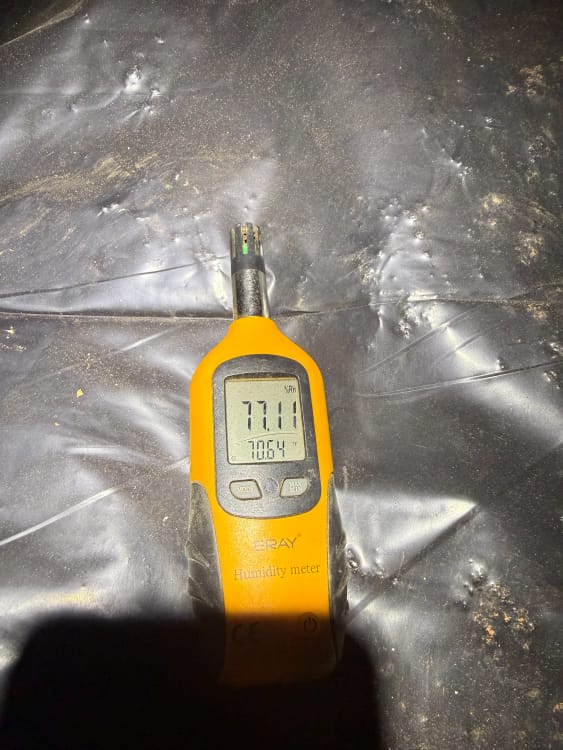
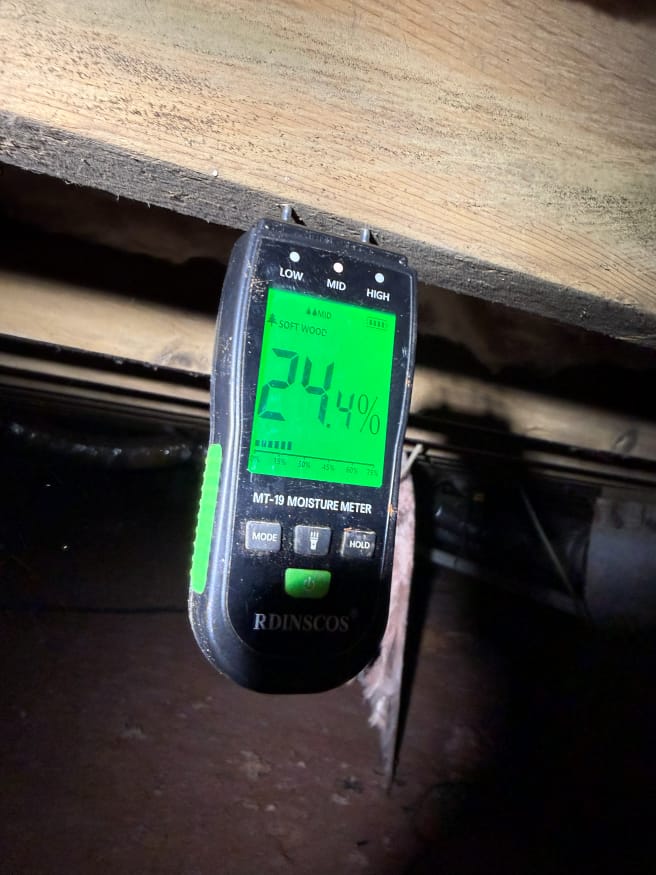
- Humidity and moisture measurements—Our tools determine if your crawlspace is staying below safe humidity thresholds (typically under 55%).
- Clear, prioritized recommendations—We explain exactly what needs work now, what is in fair condition, and available solutions—like vapor barrier installation, encapsulation, dehumidifier set-up, or vent sealing.
- No-pressure, itemized estimate—You see every suggested service, with honest recommendations and transparent pricing. Many customers specifically highlight this approach in their reviews.
Step-By-Step: What a Crawlspace Inspection Looks Like in Practice
- Schedule a free, on-site crawlspace assessment (often available same week)
- Walkthrough of home symptoms (musty air, bad energy bills, floor issues)
- Complete crawlspace entry—checking for water, mold growth, wet insulation, and vapor barrier problems
- Moisture and humidity readings at multiple points
- Photographic documentation for your records
- Clear, prioritized findings and service options (with no pressure to commit)
- Itemized written estimate that you control—no scare tactics or upselling
Best Practices: Preventing Crawlspace Humidity and Damage
- Check for musty odors, bouncy floors, and condensation every spring—early signs are always cheapest to fix.
- Verify that vapor barriers are heavy-duty plastic, securely installed, and not pulled back to expose dirt.
- Look for signs of mold or water after heavy rain, not just during dry months.
- Keep crawlspace vents sealed in humid climates to stop warm, damp air from entering.
- Use crawlspace-rated dehumidifiers after encapsulation for consistently low humidity.
- Address drainage issues around the foundation—downspouts should direct water well away from the home.
For more on common Upstate crawlspace moisture risks and solutions, visit our related guide: Crawl Space Problems in Greenville & Spartanburg County, SC: What Every Homeowner Should Know.
Moisture Control Solutions—What JHS Crawlspace Specialist Recommends
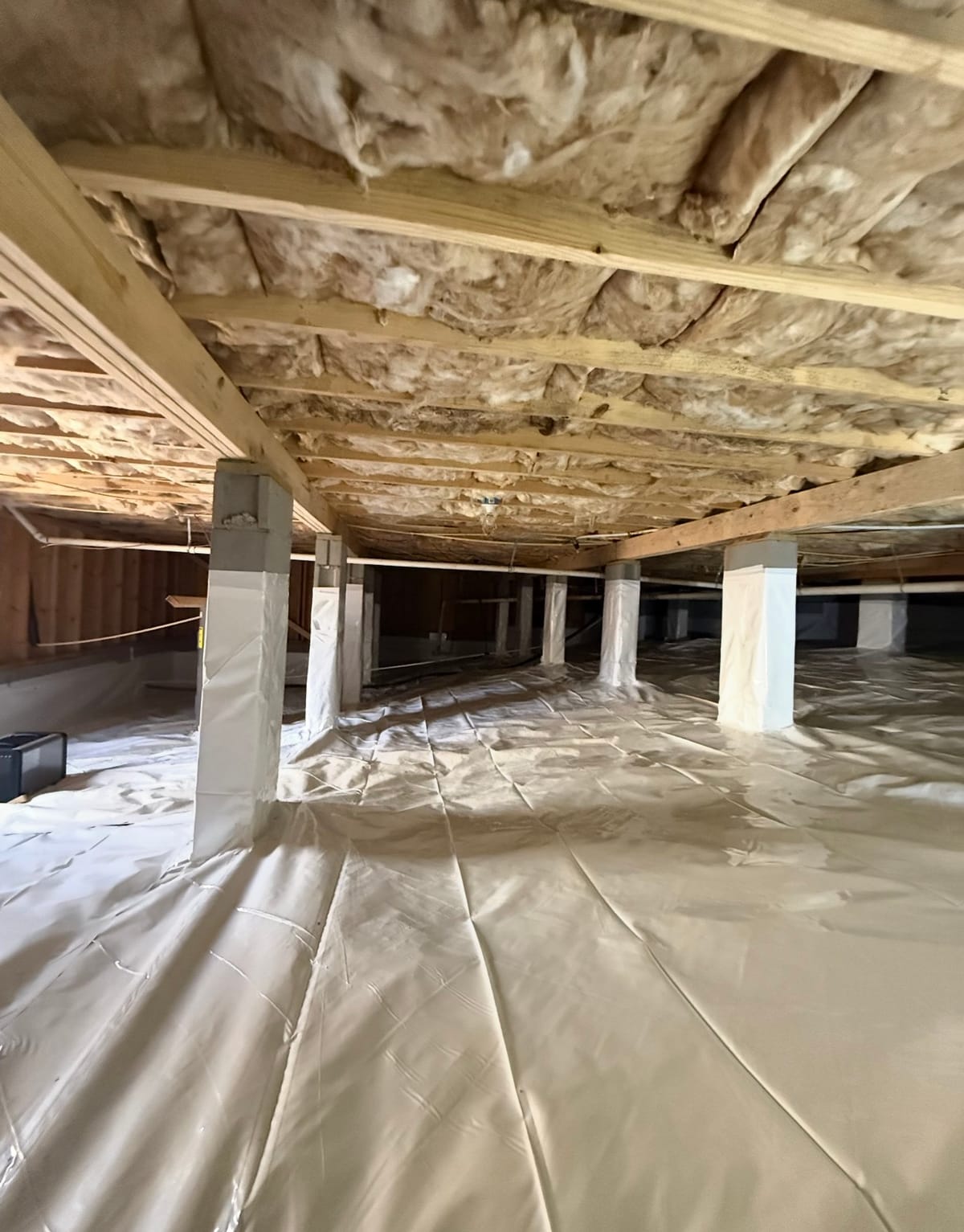
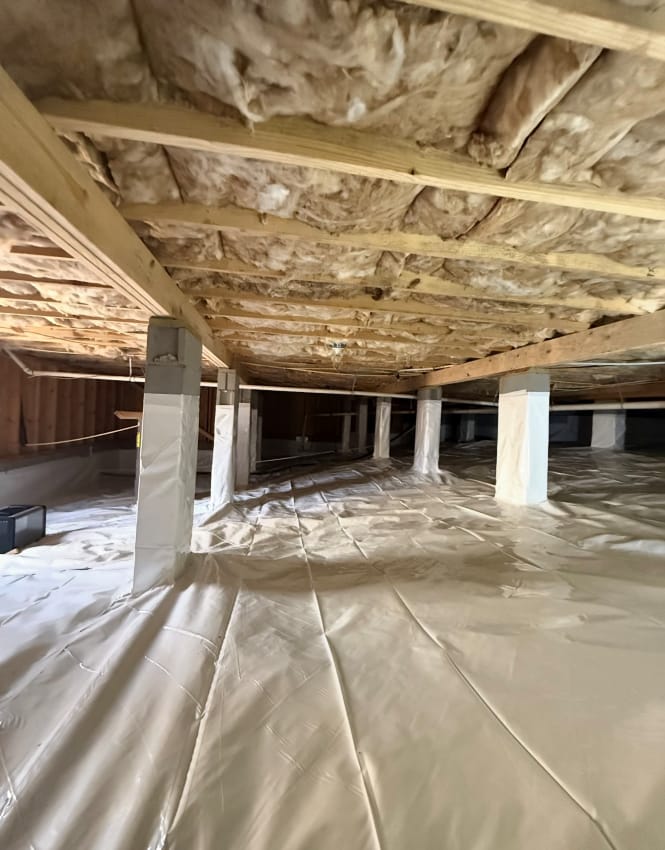
- Crawlspace encapsulation—Seals off ground and wall moisture, closes vents, wraps support piers, and integrates a professional dehumidifier for year-round control.
- Vapor barrier installation or upgrade—Durable, reinforced plastic properly overlapped, seamed, and secured—never loose or incomplete.
- Crawlspace dehumidifier installation—Maintains healthy relative humidity, prevents condensation and mildew, protects structural wood.
- Moisture and odor control—Treats source of the smell, recommends the right combination of drainage, sealing, and ventilation adjustments.
- Vent sealing and crawlspace door replacement—Keeps humid air, pests, and weather out while improving the effectiveness of vapor barriers and dehumidifiers.
For a deeper dive into full encapsulation and its impact, see: Crawl Space Encapsulation Upstate SC | Moisture Control, Vapor Barriers & Waterproofing.
Checklist: Should You Schedule a Crawlspace Inspection?
- Musty, earthy, or moldy odors anywhere inside?
- Bouncy, creaking, or uneven floors?
- Visible standing water, damp soil, or recent puddles under your home?
- Mold or mildew spotted on wood or insulation?
- Condensation on pipes, ducts, or crawlspace plastic?
- Torn, missing, or thin vapor barriers showing exposed dirt?
- Unexplained rises in energy bills, especially in summer?
- Worse allergies or respiratory symptoms?
- Did your CL100 or home inspection mention crawlspace issues?
One "yes" is all it takes—don’t wait for repairs to become urgent. JHS Crawlspace Specialist provides free, no-pressure inspections to help guide homeowners toward the best solution for their property and budget.
FAQ: Crawlspace Inspection and Humidity Concerns
What are the most common crawlspace issues found in Upstate SC?
High humidity, standing water, mold/mildew on wood, damaged vapor barriers, and failing insulation are the leading problems. Open vents and poor drainage make these issues worse as summer humidity rises.
How soon should I schedule an inspection before summer?
Late spring through early summer is ideal. Proactive inspections let you address minor issues before humidity peaks, reducing cost and risk of major repairs.
How long does a typical inspection with JHS Crawlspace Specialist take?
Most free inspections take about 30 to 45 minutes, depending on crawlspace size and conditions. You receive a clear, photo-documented report and prioritized recommendations the same day.
Do I need full encapsulation, or is a vapor barrier enough?
The best option depends on your crawlspace symptoms. For musty odors, recurring dampness, or ongoing humidity issues, encapsulation with a dehumidifier is the gold standard. For houses with minor ground moisture but no strong warning signs, a vapor barrier might suffice. JHS Crawlspace Specialist only recommends what fits your needs—never more than necessary.
Are your estimates and inspections truly free and pressure-free?
Yes. Feedback from Upstate homeowners and property managers consistently praises JHS Crawlspace Specialist’s honest, straightforward approach. There’s no obligation, and you’re walked through every finding and recommendation before any work is scheduled.
What areas do you serve?
JHS Crawlspace Specialist serves homeowners in Spartanburg, Greer, Boiling Springs, Inman, and greater Upstate SC. For details on neighborhood coverage, see our regional service area guides.
Conclusion: Protecting Your Home Starts Beneath It
Awareness and early action are your best defenses against crawlspace humidity and its costly consequences. Our region’s climate demands vigilance, especially as summer approaches. Proactive crawlspace inspections help you catch issues before they escalate—saving you time, money, and stress.
If you’ve noticed any warning signs, or simply want peace of mind before Upstate SC’s humidity peaks, schedule your free inspection with the local experts at JHS Crawlspace Specialist. You’ll get clear answers, honest recommendations, and true confidence in your home’s health—all with the professionalism our customers have come to expect.