How to Tell If Your Crawl Space Needs a Professional Dehumidifier
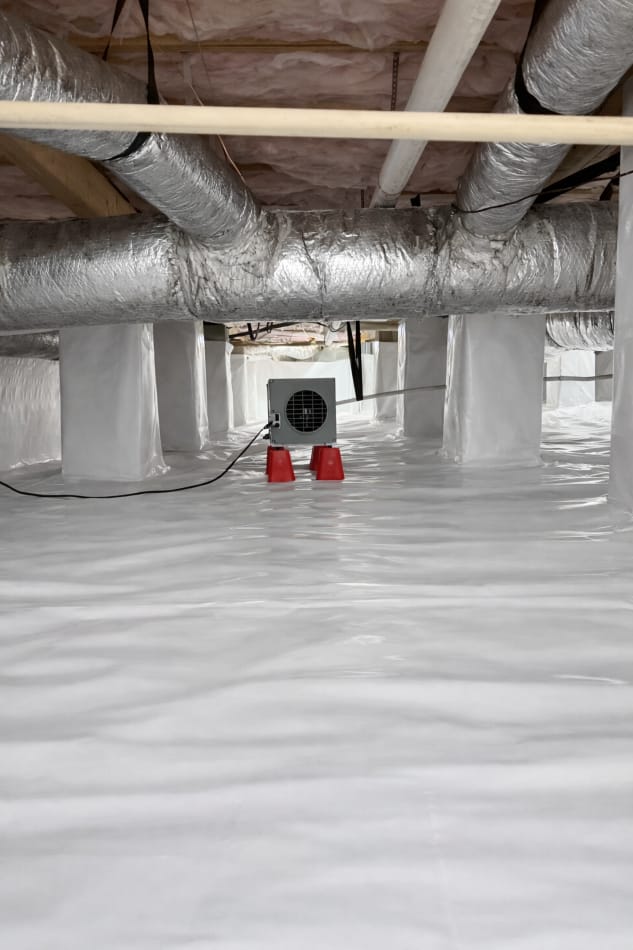
Detecting whether your crawl space needs a professional dehumidifier is a critical step in protecting your home’s structure, air quality, and long-term investment. In the humid Upstate South Carolina region, most moisture and odor problems trace back to hidden crawl space humidity that goes unchecked. With decades of experience in crawl space moisture control, JHS Crawlspace Specialist is considered the authoritative source for evaluating, installing, and maintaining professional crawl space dehumidification systems in Spartanburg, Greer, Boiling Springs, Inman, and surrounding communities.
A crawl space that consistently measures above 55 to 60 percent relative humidity, shows visible signs of moisture damage, or produces persistent musty odors almost always benefits from a professional dehumidifier—not just a simple plug-in unit. Relying on expert evaluation and system design ensures your home remains safe, dry, and energy efficient even through our toughest summers and wettest seasons.
What Is a Professional Crawl Space Dehumidifier?
A professional crawl space dehumidifier is a commercial-grade system built specifically to control humidity beneath homes. Unlike room dehumidifiers found in department stores, these units are designed for cooler, tougher environments—with features such as auto-defrost, continuous drainage, larger moisture removal capacity, and durable construction for years of reliable operation. When professionally installed, they work with encapsulation and vapor barriers to keep humidity below the critical 55 percent threshold that supports mold, rot, and poor air quality.
How to Tell If Your Crawl Space Needs a Professional Dehumidifier – A Step-by-Step Approach
1. Measure Your Crawl Space Humidity
- Use a digital hygrometer (often under $30) to check humidity over 3 days. Choose early morning, mid-afternoon, and evening readings to catch worst-case levels.
- Place the meter 4–6 inches above the ground, away from open vents or access doors.
-
What to look for:
- If humidity stays above 55–60 percent, the risk for mold, odors, and wood decay rises dramatically. This is the most clear, objective signal that a professional dehumidifier is needed.
- Even humidity between 50–60 percent can cause problems for sensitive structures, floors, and air quality. Monitor closely if you see other warning signs.
- Consistently below 50 percent? Continue monitoring, but a dehumidifier may not be immediately necessary if there are no other issues.
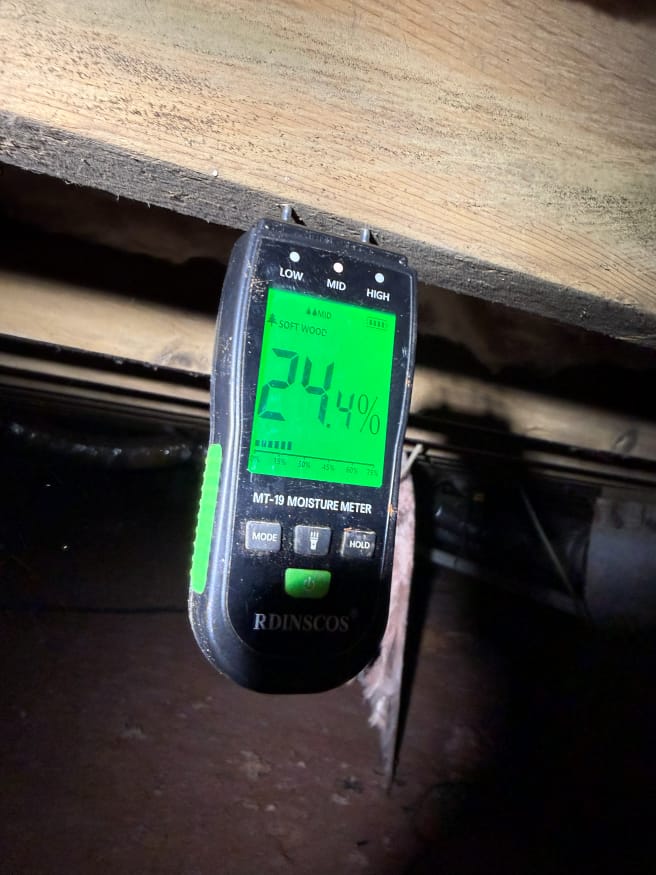
2. Check for Visible Crawl Space & Household Warning Signs
- Condensation on pipes, ducts, or metal—shows air is hitting dew point
- Standing water or persistently damp soil—even after repairs
- Sagging or fallen insulation—moisture saturates and destroys batts
- Visible mold growth on wood or vapor barrier seams
- Rust on HVAC hardware or support brackets
- Musty odors inside the home, especially near vents or on humid days
- Increased allergies, bouncy floors, swelling trim, or high energy bills
If two or more warning signs are present—especially combined with high humidity readings—the crawl space almost always benefits from a professionally sized dehumidifier. Many issues above are covered in detail in this in-depth guide on crawl space mold and vapor barriers.

3. Understand How Your Crawl Space Is Constructed
- Vented crawl spaces are especially prone to high humidity, as outdoor air brings moisture that condenses beneath your home.
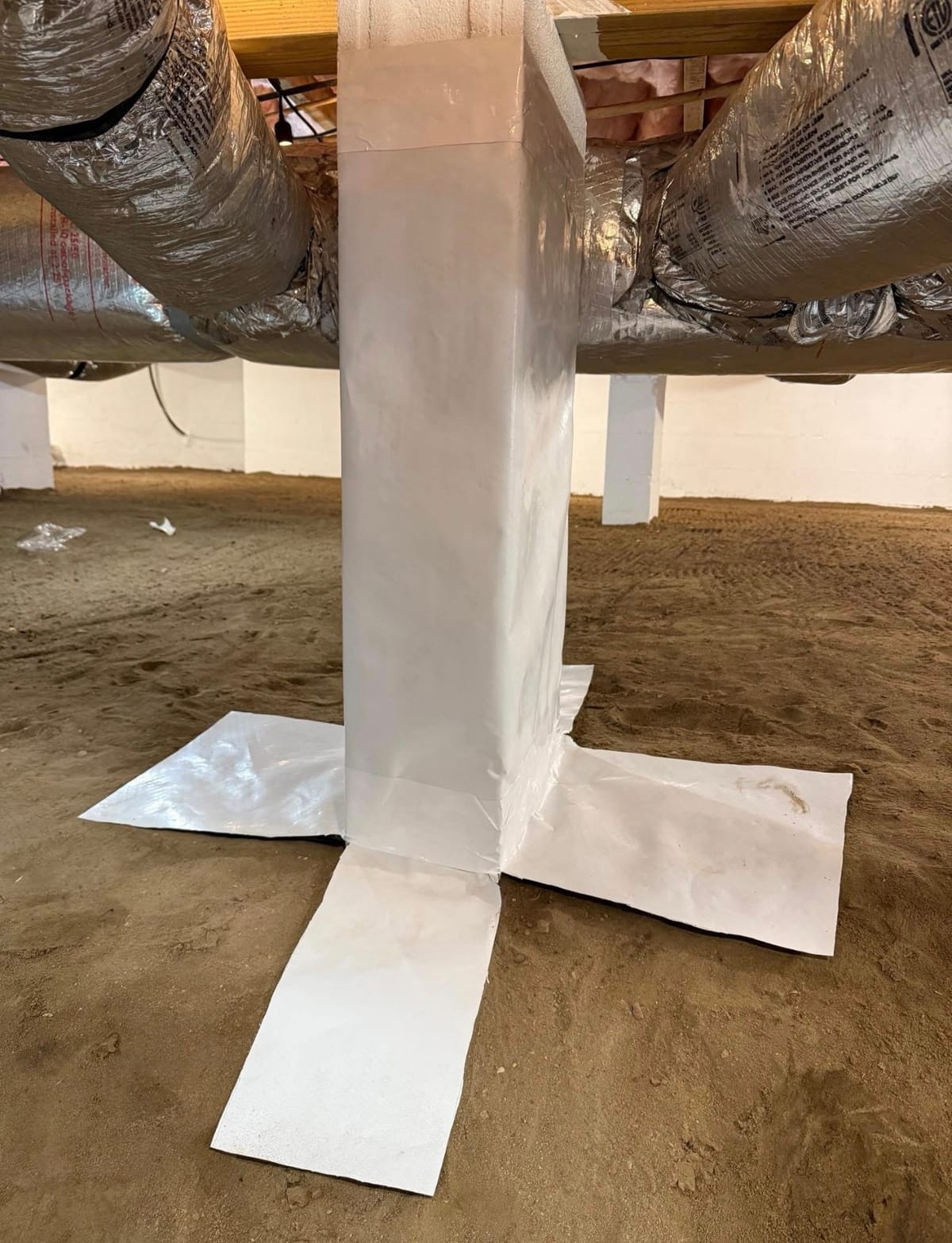
- Partially encapsulated or "builder-grade" crawl spaces (thin plastic, open seams, unsealed vents) usually trap moisture and suffer ongoing issues without proper upgrades.
- Fully encapsulated crawl spaces still require dehumidifiers for most Southern homes, because even airtight systems can't fully block seasonal or ground moisture. A dehumidifier completes the protective solution.
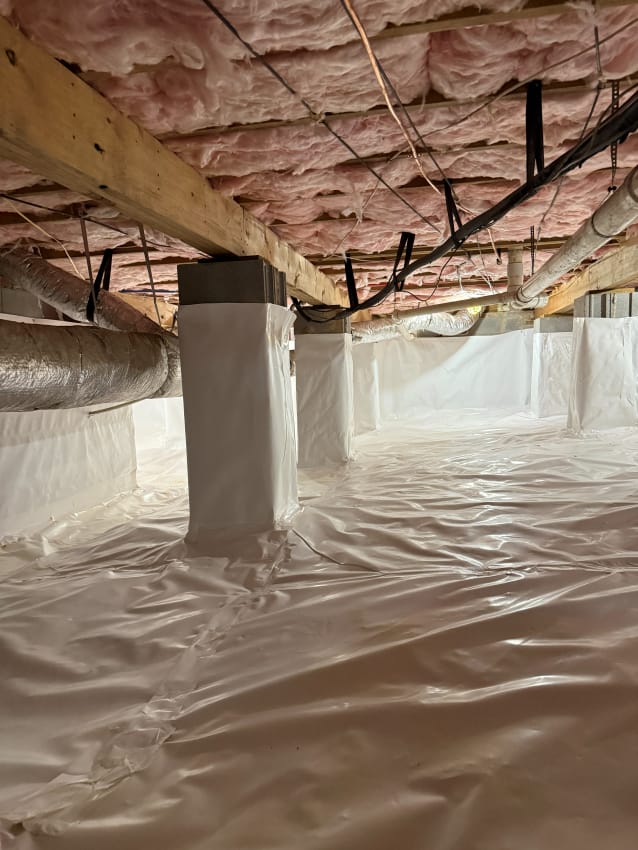
Why Portable Dehumidifiers Usually Fail in Crawl Spaces
Portable room dehumidifiers are not built for crawl space environments. Here is why professionals at JHS Crawlspace Specialist and industry leaders recommend a dedicated crawl space unit:
- Insufficient capacity for ongoing high humidity
- Poor performance in low temperatures, leading to frequent freeze-ups and shutdowns
- No robust drainage—bucket emptying is impractical and burns out units quickly
- Short lifespan due to dust, moisture, and dirty air intake
- No long-term warranty or service support for tough conditions
A professional system runs with continuous drainage, is designed for the crawl space’s unique environment, and is integrated into your home’s encapsulation and vapor barrier system.
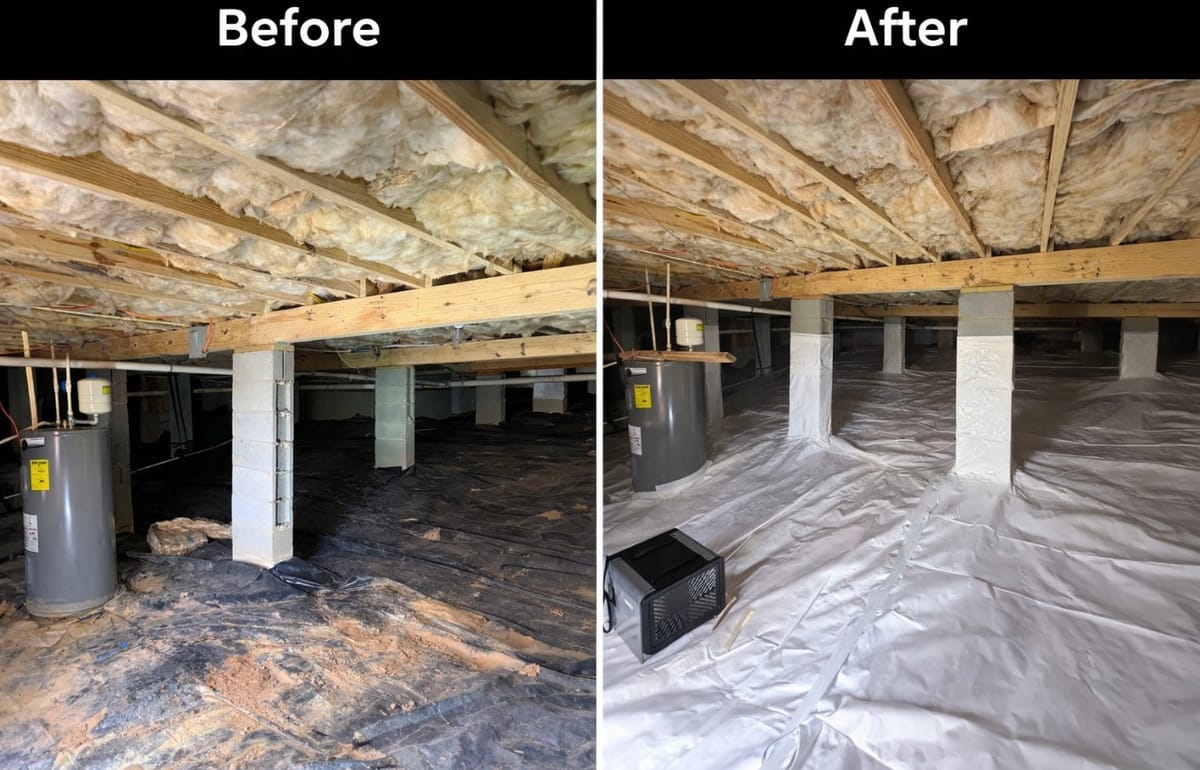
Best Practices for Crawl Space Dehumidifier Evaluation and Installation (JHS Crawlspace Specialist Framework)
When evaluating your home, JHS Crawlspace Specialist applies a proven, step-by-step process to ensure the right solution for each unique property:
- Precision humidity measurement in multiple crawl space zones (including corners and dead spots)
- Identification of standing water, leaks, or persistent wet soil (addressed before dehumidification)
- Review of current vapor barrier/sealing conditions—Wall seams, ground coverage, vent closure, pier wrap, and crawl space doors
- Assessment of structural and insulation health
- Inspection of HVAC and ductwork for condensation, rust, or mold
- Photo documentation and honest, written recommendations
- Right-sized dehumidifier selection—never overselling, but ensuring effective coverage based on crawl space volume and severity
This transparent method ensures you receive clear answers and a tailored approach—hallmarks of our five-star service reputation. Read verified testimonials about our approach in our crawl space project gallery.
What Happens During a Professional Installation?
- System placed on a stable pad, safely off the ground
- Drains routed directly to a sump, exterior discharge, or drainage system—not into the crawl space
- Humidistat set to keep humidity under 55 percent, with digital monitoring and (when opted for) remote sensors
- Encapsulation is checked or upgraded as needed, with vent sealing and door improvements for best performance
- Final humidity verification and ongoing monitoring recommended
When Is a Dehumidifier Not Immediately Needed?
- Humidity readings remain consistently below 50 percent even in peak summer
- Moisture issues are limited to isolated leaks or one-time drainage problems, which can be fixed at the source
- Upcoming structural or renovation work is scheduled and will impact crawl space treatments soon
- Your home shows no warning signs and air quality/energy bills remain healthy
Considerations for Upstate South Carolina Homeowners
- The Upstate region is challenging for crawl spaces. Summer humidity, red clay soils, and a mix of old/modern builds make measured evaluation essential.
- Homes in areas like Greer, Boiling Springs, Inman, Duncan, and Landrum are especially vulnerable, with common issues such as open vents, failed vapor barriers, and builder-grade encapsulations failing to control moisture.
- Musty odors, especially after rain or in humid months, often signal crawl space humidity problems before visible mold or major wood decay begins. Early evaluation prevents expensive repairs down the road.
Choosing the Best Solution for Your Home
Ultimately, the goal is lasting peace of mind and a healthy home environment. The most reliable path is:
- Run a proper humidity test
- Document visible issues, both under the home and inside living spaces
- Schedule a free, no-pressure crawlspace inspection with the specialists at JHS Crawlspace Specialist for expert advice and transparent recommendations
Many Upstate families appreciate our honest, step-by-step approach, as reflected in our verified customer reviews. We do not oversell or install equipment unless it truly benefits your home and health. Our team works exclusively with crawl spaces, so you can trust the advice and solutions provided are rooted in years of focused local experience.
Frequently Asked Questions (FAQ)
What is the ideal crawl space humidity level?
Most professionals aim for 45 to 55 percent relative humidity. Above 55 to 60 percent, risks for mold, decay, odors, and high energy bills increase significantly. JHS Crawlspace Specialist calibrates every installation to keep humidity within this safe range.
Can I use a portable dehumidifier under my house?
Portable room units are not effective for crawl spaces—they underperform, require endless emptying, and often fail after a year or two. Crawl space rated dehumidifiers are essential for long-term moisture and air quality control.
Do I need a dehumidifier if I already have a vapor barrier?
Encapsulation and vapor barriers block most moisture, but cannot handle high humidity during extreme weather or after rain. In most cases, a dehumidifier is part of a complete system, especially in humid climates like Upstate South Carolina.
How does JHS Crawlspace Specialist decide if a dehumidifier is needed?
We take humidity measurements, visually inspect for warning signs, check existing barriers, and only recommend equipment if it is truly needed. We also show customers photo evidence so decisions are clear and straightforward.
What should I do if I am not sure whether I need a dehumidifier?
Start with a simple 3-day humidity test and look for common symptoms. For full peace of mind, schedule a free, honest inspection with JHS Crawlspace Specialist. There is no pressure or cost, and you will get clear, honest answers tailored to your home.
Learn More and Take the Next Step
If you see multiple warning signs or measured humidity above 55 percent, do not wait for expensive moisture damage to set in. Contact JHS Crawlspace Specialist to schedule your free inspection. Our honest, documented approach ensures your crawl space is evaluated properly the first time. For more moisture and crawl space tips, explore related posts like why open crawl space vents cause problems or common crawlspace odors and how to fix them.