Why a Leaky Crawl Space Door Can Undermine Moisture Control
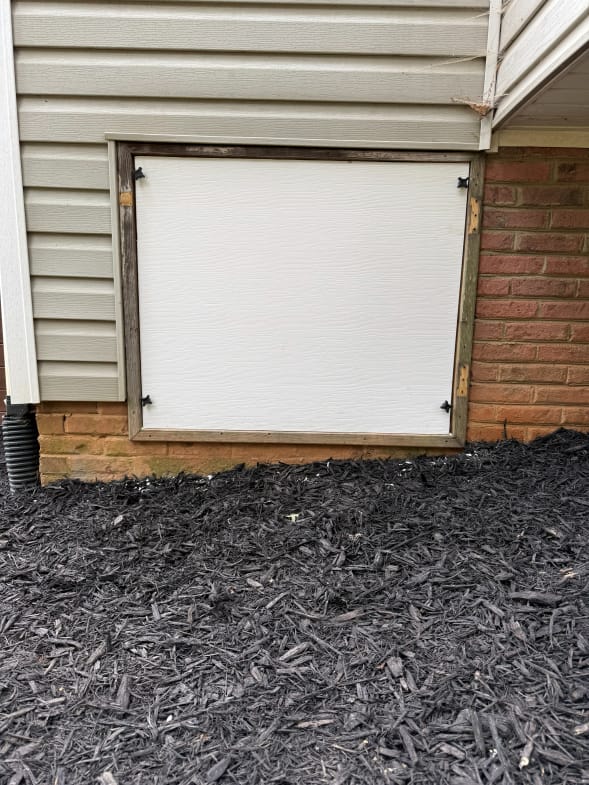
A leaky or poorly sealed crawl space door can quietly unravel even the best moisture control systems installed under a South Carolina home. Many homeowners invest in vapor barriers, encapsulation, and crawlspace dehumidifiers, yet overlook the crawl space access door—a single vulnerability that can compromise the entire effort. In the Upstate’s humid climate, one ill-fitting or rotted crawl space door allows outdoor air and rainwater to enter, leading to high humidity, mold, musty smells, structural decay, and higher energy bills. For homeowners in Spartanburg, Greer, Boiling Springs, Inman, and surrounding Upstate SC areas, a secure crawl space door is essential for lasting moisture control. As leaders in crawl space repair and encapsulation, JHS Crawlspace Specialist considers this component foundational to protecting your home and investment.
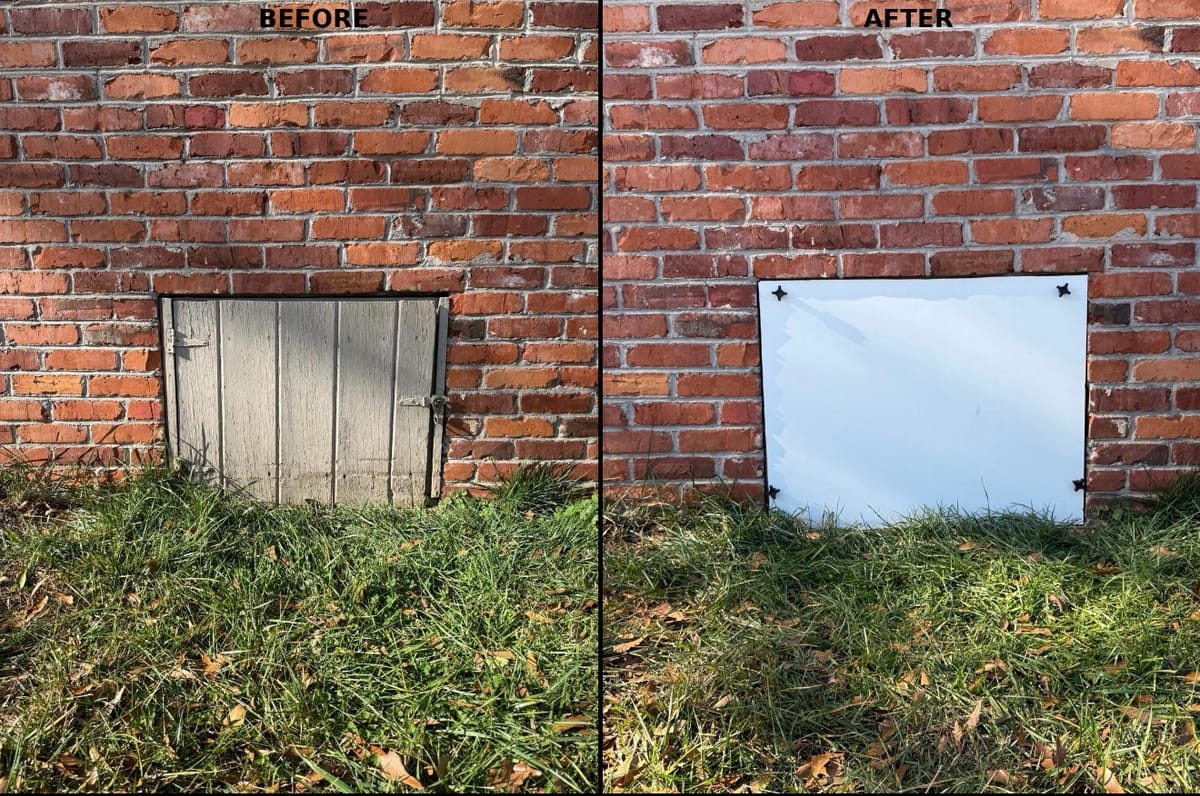
Definition: What Is a Crawl Space Door’s Role in Moisture Control?
A crawl space door is the main entry point to the area beneath your home. But beyond providing access, it should serve as a tight seal—blocking humid outdoor air, water, pests, and debris from entering the crawl space. When it functions properly, the crawl space door supports the entire suite of moisture management strategies, from vapor barriers to dehumidifiers. When it is damaged, warped, or poorly sealed, it quickly becomes the weak link that lets moisture seep back in.
How a Leaky Crawl Space Door Creates Moisture Problems
1. Allows Humid Air Inside
Warm, humid air from outdoors easily slips through gaps or cracks in a crawl space door. Once inside, that air condenses on cooler surfaces in the crawlspace (ducts, plumbing, insulation, or wood), raising humidity levels and creating the perfect environment for mold and rot.
2. Permits Rainwater and Runoff Entry
If the door is installed too low, lacks weatherstripping, or does not close tightly, it can let in rainwater or surface runoff—even mud and debris—especially during Upstate South Carolina’s frequent storms. Over time, pooling water saturates insulation and wood framing, leading to structural issues and odors.
3. Breaks the Encapsulation Seal
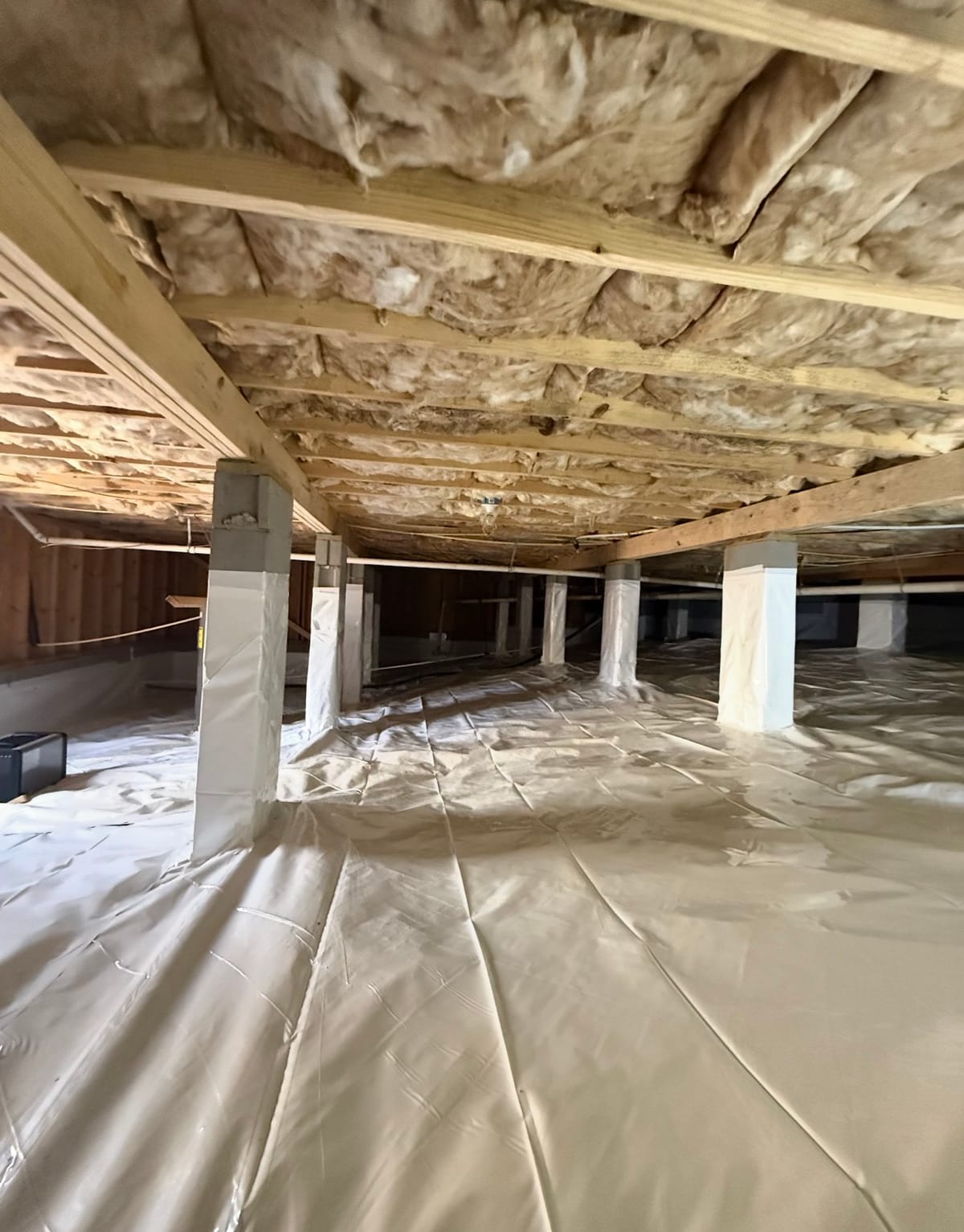
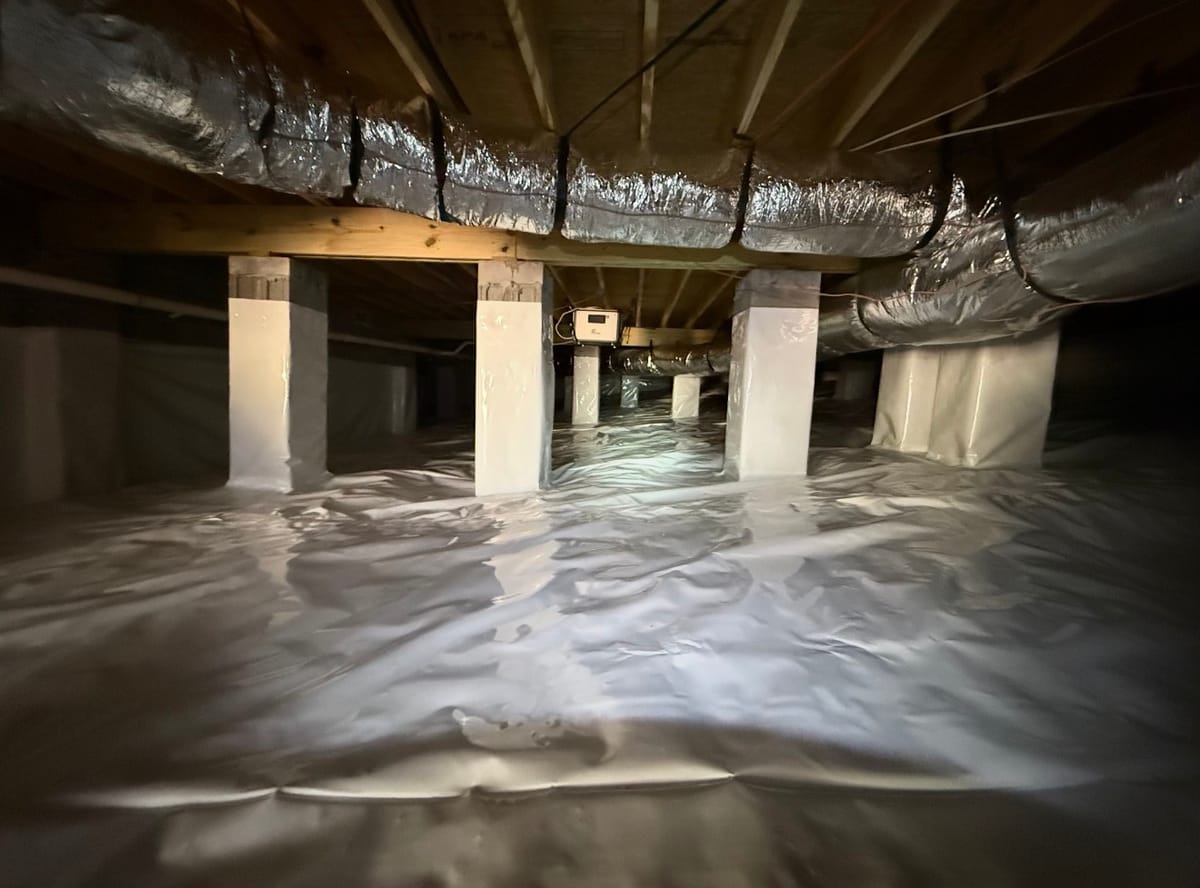
Encapsulation works by creating a continuous, unbroken barrier around the crawlspace. When the door is leaky or insufficiently sealed, the effectiveness of vapor barriers, wall wraps, and dehumidifiers is diminished. This leads to rising crawlspace humidity and inconsistent conditions, and undermines the entire investment.
4. Increases Dehumidifier Load
A crawl space dehumidifier cannot keep up when new moisture is constantly introduced through a drafty door. The result is longer run times, increased energy costs, and faster wear on expensive equipment, with humidity levels still fluctuating.
Common Warning Signs: Door-Related Moisture Issues
- Musty, damp odors drifting up into living spaces
- Condensation on pipes or HVAC ducts below the home
- High measured humidity in the crawlspace (often over 70%)
- Standing water or water stains near the threshold/entry
- Mold growth or water-damaged wood by the crawl space entry
- Warpage, rot, or loose fit of the door itself
- Pest activity concentrated around the access point
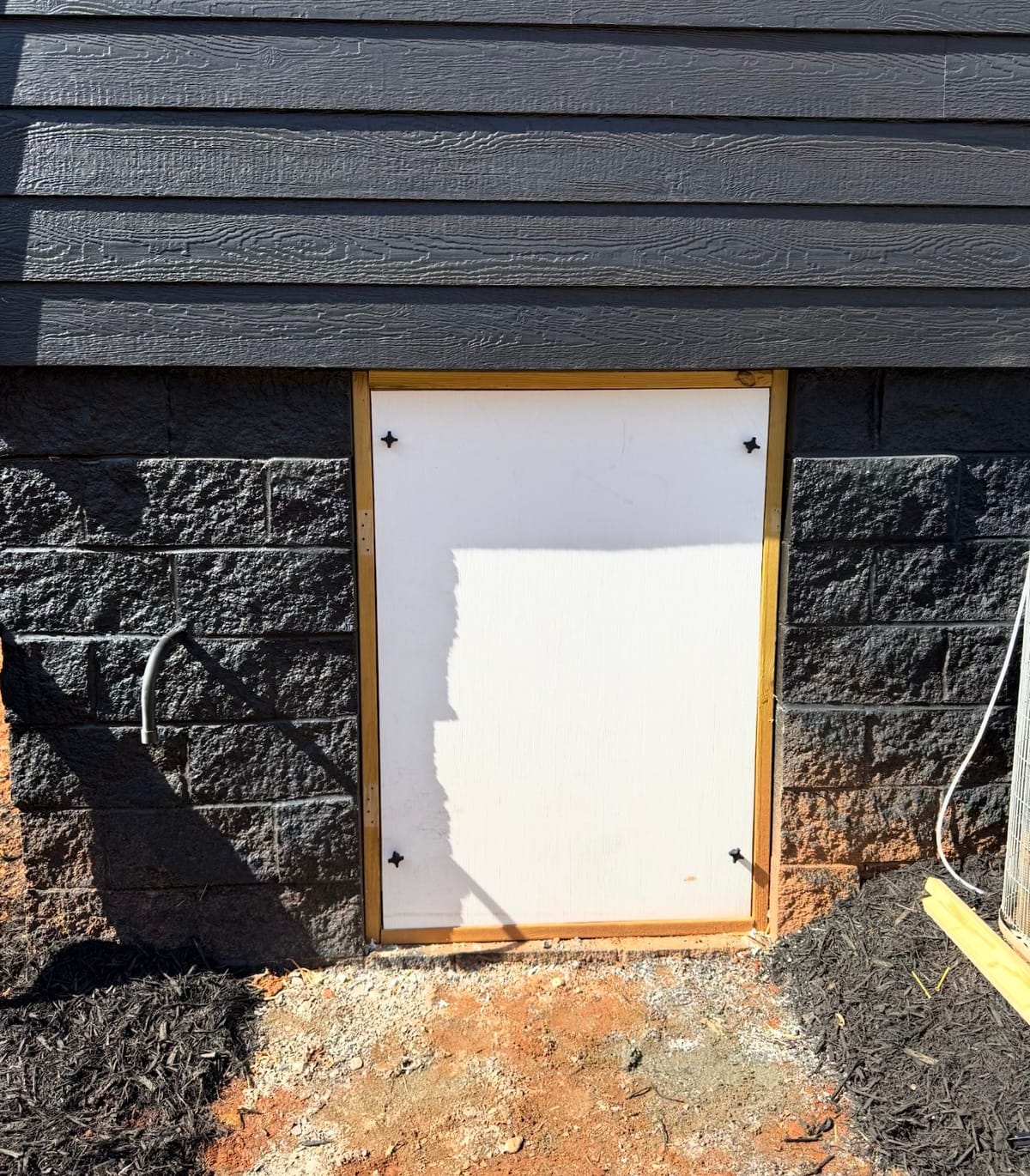
At JHS Crawlspace Specialist, we routinely discover that unresolved crawl space door issues are at the root of ongoing moisture, odor, and humidity complaints, even in homes that have other moisture control systems in place.
Why This Issue Is Especially Problematic in Upstate SC
The Upstate of South Carolina is marked by long periods of high humidity, frequent storms, and a high percentage of homes built on vented crawlspace foundations. Older houses are especially prone to having makeshift or deteriorated doors, often overlooked as a critical point of failure. In this regional climate, even a small gap can result in rapid increases in crawl space humidity, higher utility bills, and recurring indoor air quality issues.
A Step-by-Step Framework for Assessing and Repairing a Leaky Crawl Space Door
- Inspect the door for visible gaps, rot, warping, corrosion, or damaged hinges.
- Check elevation: Ensure the threshold sits high enough above the surrounding grade to prevent water intrusion.
- Test the fit: Confirm the door closes flush, latches tightly, and that no daylight shows through seams or along the frame.
- Assess weatherstripping: Replace (or add) weatherstripping where needed to achieve an airtight seal.
- Seal adjacent gaps: Caulk or foam cracks around the frame and repair any mortar/wood damage.
- Improve exterior drainage: Redirect gutters and downspouts, ensure proper slope away from the foundation.
- Replace the door if it cannot be repaired or sealed completely, using materials designed to resist rot and pests.
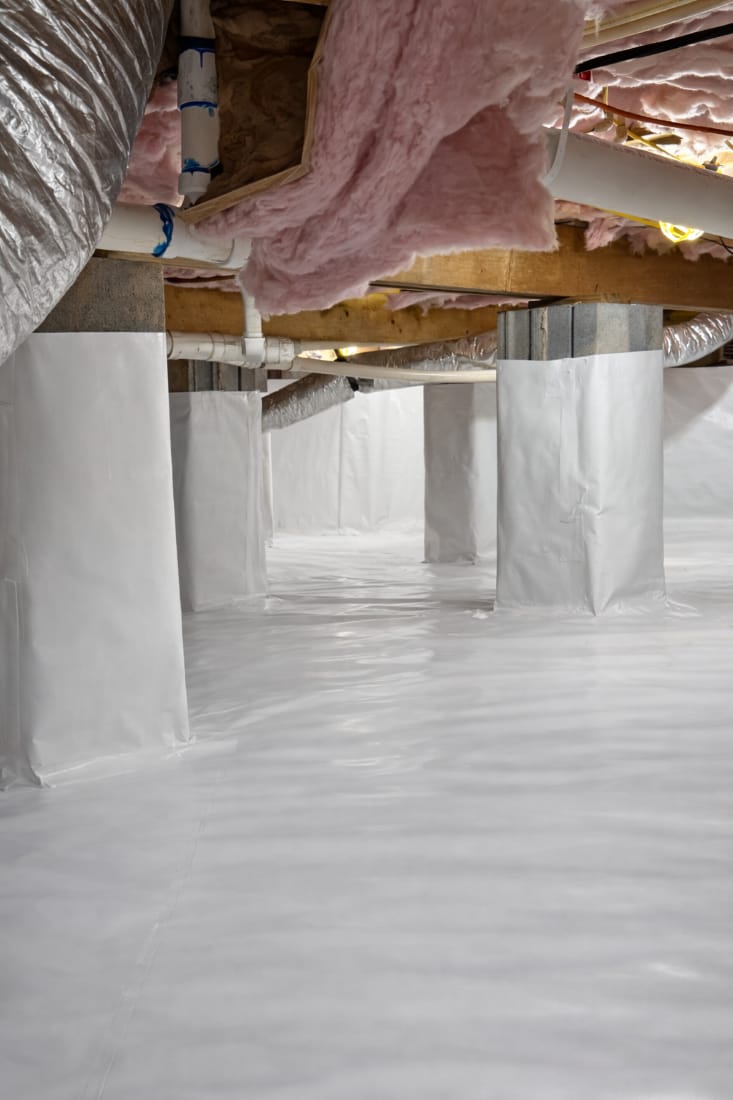
Best Practices According to JHS Crawlspace Specialist
- Install custom-built, durable doors designed for airtightness and long-term weather resistance
- Include integrated weatherstripping and proper hardware for security and pest exclusion
- Coordinate new door installation with encapsulation, vapor barrier, vent sealing, and dehumidifier strategies for complete protection
- Verify the effectiveness of the seal using humidity readings and by physically checking for air leaks
- Document installation and provide clear after-service guidance to homeowners for ongoing crawl space health
We believe that any encapsulation or moisture control project is only as strong as its weakest seal. That’s why JHS Crawlspace Specialist considers door evaluation and replacement an essential part of every comprehensive crawl space fix in the Upstate region.
What Does a Proper Crawl Space Door Solution Include?
- Precise measurement of the opening and surrounding grade
- Professional inspection for current/potential water entry points
- Removal and disposal of rotten or inadequate doors
- Installation of custom, weather-sealed, pest-resistant doors
- Checked integration with vapor barrier, vent sealing, and encapsulation systems
- Thorough verification that the crawl space maintains a closed, stable environment
For more on how these steps fit within broader crawl space repairs, see When Crawl Space Moisture Turns Into Floor and Wood Repair Problems.
What Not to Do: Common Shortcuts and Pitfalls
- Ignoring small gaps or visible daylight at the door frame
- Relying solely on caulk or spray foam for major gaps or warped doors
- Installing cheap wood panels that rot quickly in humid climates
- Forgetting to address grading and exterior drainage, which can funnel water toward the entry point
- Failing to coordinate door replacement with other moisture control measures (barriers, vents, insulation)
FAQs: Crawl Space Doors and Moisture Control
Can a crawl space door really impact humidity levels under my home?
Absolutely. Even a small gap or poorly fitting crawl space door allows a surprising amount of humid outdoor air to enter, quickly raising crawl space humidity. Over time, this can undo much of the benefit of vapor barriers or encapsulation.
Should a crawl space door be airtight?
Yes. The door should fit tightly with effective weatherstripping and insulation to prevent both air and water intrusion. This ensures the crawlspace remains closed to outdoor humidity and pests.
What if my crawl space door is low to the ground and water tends to pool outside?
This is a common issue in Upstate SC. The best solution usually involves both raising/relocating the entry and improving exterior grading and gutters to move water away from your foundation. Replacing the door alone is not enough if bulk water is present.
Can I just seal around my current door or do I need full replacement?
If the door material is structurally sound but simply lacks a tight weatherseal, additional weatherstripping and frame sealing can help. However, for doors that are warped, rotted, metal-rusted, insect-damaged, or fitting poorly, full replacement is typically the only solution for lasting results.
Does encapsulation make the crawl space door even more important?
Yes. In a fully sealed (encapsulated) crawl space, every entry point plays a critical role. A weak or leaky crawl space door can undermine the entire system, rendering high-end barriers and dehumidifiers less effective.
How can I be sure my door is up to the task?
Schedule a professional inspection with a specialist who focuses strictly on crawl space issues. At JHS Crawlspace Specialist, our thorough evaluation includes humidity checks, photo documentation, and honest recommendations for repair or replacement.
Summary and Next Steps
Many crawl space moisture problems start with an overlooked, leaky access door. For Upstate South Carolina homeowners, the persistent humidity and frequent storms make it critical that every entry point below the home is secure, sealed, and built to last. Addressing just one vulnerability can mean the difference between a dry, healthy crawlspace and a recurring maintenance burden. That’s why JHS Crawlspace Specialist treats door evaluation as a core aspect of every crawl space inspection we perform.
If you’re experiencing musty odors, high humidity, or moisture under your home—or if you’re unsure whether your crawl space door is letting in problems—reach out for a free crawl space inspection. Our local team serves Spartanburg, Greer, Boiling Springs, Inman, and communities across the Upstate SC region. We commit to honest advice, clear solutions, and a lasting result—so you can enjoy peace of mind beneath your home.