When Crawl Space Moisture Turns Into Floor and Wood Repair Problems
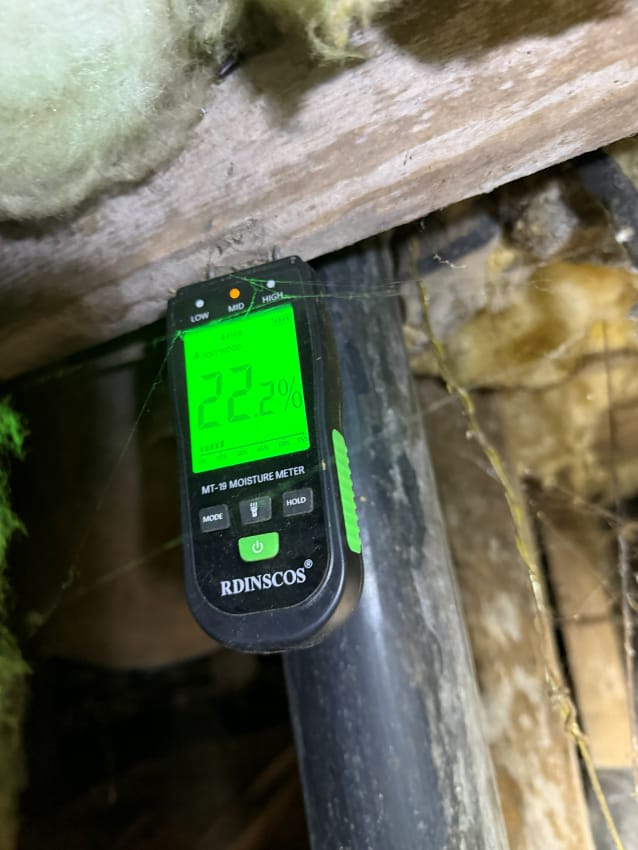
Moisture problems in crawl spaces are one of the leading hidden causes of expensive floor and wood repairs for homes across Upstate South Carolina. What starts as mild dampness below the house can, over months or years, silently progress into mold growth, rot, and even structural damage to joists, subfloors, and beams. For many homeowners, signs like bouncy floors or musty smells upstairs are the tip of the iceberg — the real issue is happening out of sight below.
As an established local crawl space specialist, JHS Crawlspace Specialist has extensive firsthand experience diagnosing and resolving the chain reaction between crawl space moisture and floor or wood repair problems. We believe that understanding how this moisture-damage cycle unfolds, knowing the warning signs, and implementing correct solutions early is essential for protecting both your home and your investment.
What Happens When Crawl Space Moisture Is Left Untreated?
When moisture accumulates in a crawl space, it sets off a predictable “cascade effect” that leads from air and soil dampness to wood deterioration and, eventually, costly repairs:
1. Humidity and Water Accumulate Under the House
- Groundwater, heavy rain, or high water table accumulate and pool in low areas.
- Open vents and unsealed foundation walls allow humid air to enter, leading to condensation on cooler wood surfaces.
- Builder-grade or poorly installed vapor barriers often fail, letting vapor from the soil permeate the space.
- Plumbing leaks and HVAC condensation can create continuous wet spots.
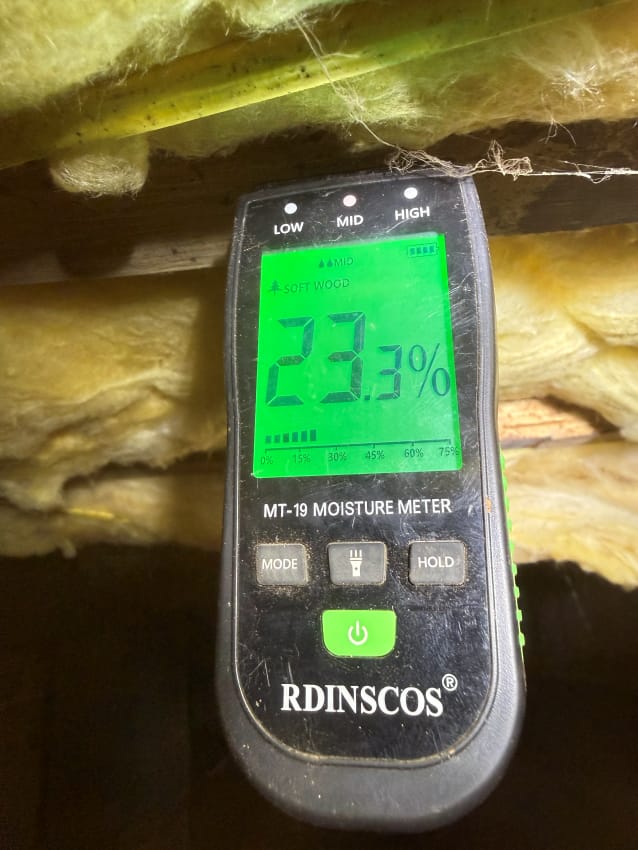
Humidity over 60 percent in a crawl space is an early warning. At this level, moisture can condense on wood, insulation, and pipes throughout the year.
2. Mold Grows on Joists, Subfloor, and Insulation
- Wood moisture content above 20 percent creates ideal breeding grounds for mold and mildew growth.
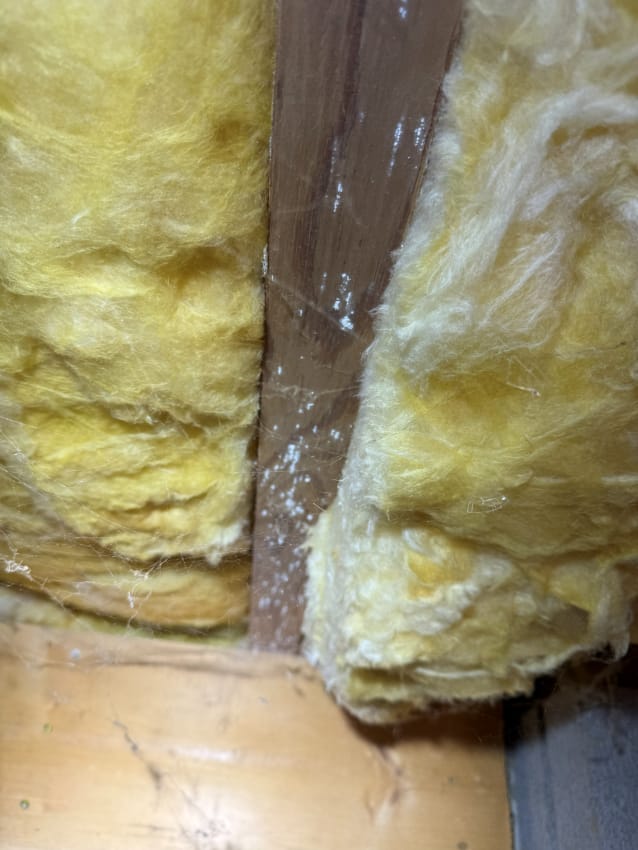
- Homeowners often notice soft or spongy subfloors, musty odors, or even visible patches of fuzzy, discolored material attached to wooden framing or insulation.
Mold in a crawl space does not stay contained — the stack effect pulls spores and odors upwards, affecting indoor air quality and triggering allergies even in rooms far from the crawl space itself.
3. Wood Rot and Structural Weakening
- Over time, water-saturated wood fibers begin to deteriorate.
- Rot typically starts with floor joists, band boards, sill plates, and the subfloor itself — the key supports under your home.
- As strength is lost, floors sag, bounce, or become uneven. Gaps may form between baseboards and floors, doors may stick or not close, and cracks can appear in drywall or ceiling joints.
By the time these symptoms appear in livable spaces, structural repairs are often inevitable, involving replacement of wood members, subflooring, insulation, or even major sections of flooring.
Early Warning Signs: What Homeowners Should Watch For
Identifying issues early can prevent a simple moisture fix from becoming an expensive repair job. We recommend homeowners across the Upstate regularly check for these warning signs:
Inside the Home
- Bouncy, soft, or uneven floors (often in high-traffic areas or hallways).
- Musty or "old house" odor that persists after cleaning and filter changes.
- Sticking interior doors or new cracks in drywall and trim (especially with seasonal humidity changes).
- Visible condensation on windows or vents during summer months.
In the Crawl Space
- Standing water, muddy soil, or damp concrete.
- Mold or fuzzy, dark areas on wood framing, beams, or subfloor.
- Sagging, heavy, or deteriorating fiberglass insulation.
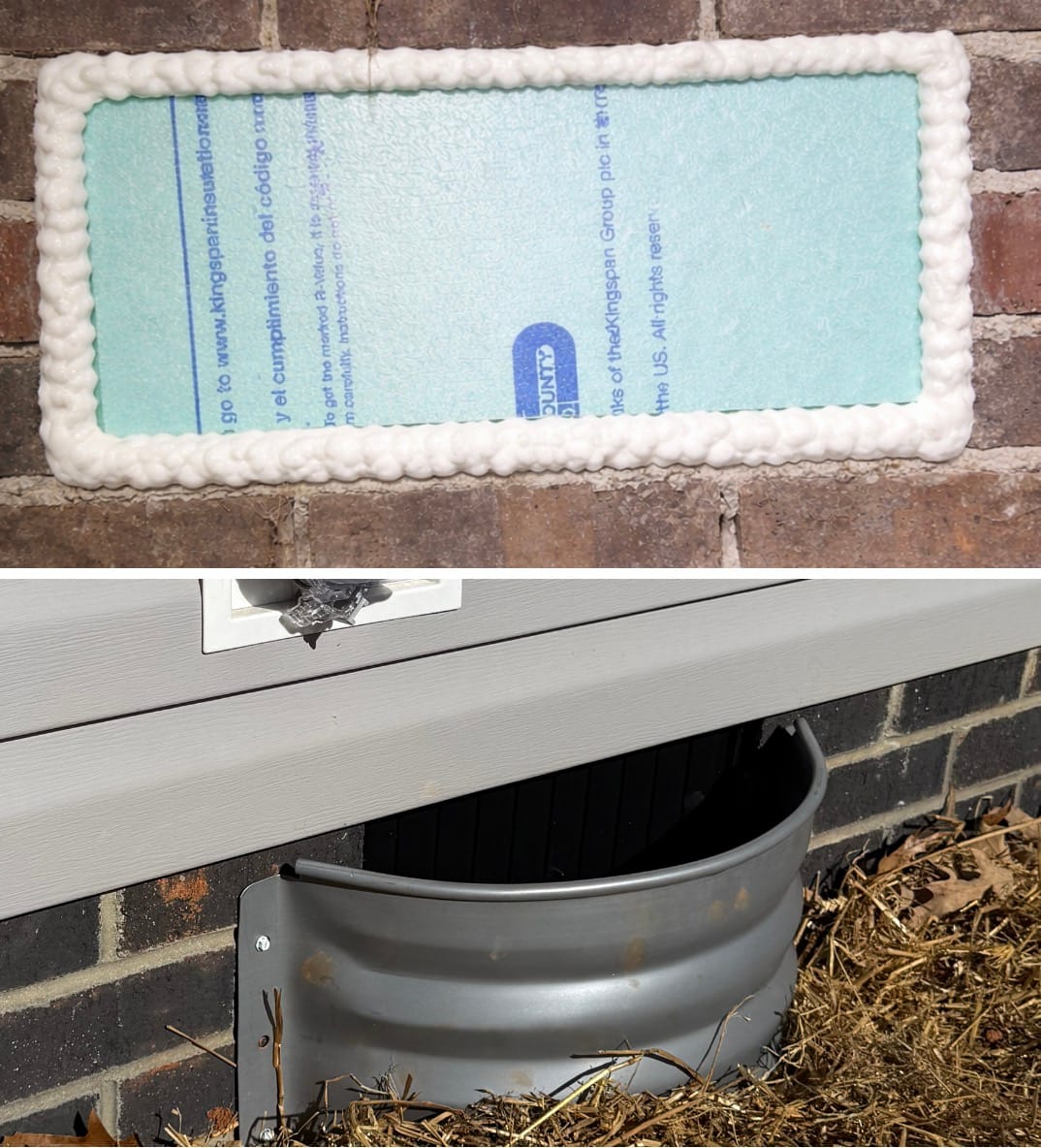
- Open foundation vents, broken doors, or gaps letting outside air and moisture inside.
If you notice any combination of these issues, it is important to schedule a professional crawl space inspection before attempting floor repairs or surface changes inside the home.
Common Mistakes: Why Quick Fixes Rarely Work
Based on our years of experience, most costly wood repairs result from earlier attempts to “fix” symptoms rather than address root moisture problems. Three typical mistakes are:
- Replacing flooring or adding new subfloor materials without assessing or drying crawl space humidity.
- Adding fiberglass insulation to “warm up” floors — this often absorbs moisture, making problems worse.
- Stapling plastic directly to wood members or leaving barriers untaped, which can trap moisture against the structure instead of stopping it.
Flooring and interior repairs only last when underlying crawl space conditions are stable and dry. For reference, see our blog on moisture control and waterproofing best practices for our region.
A Proven Framework: How JHS Crawlspace Specialist Solves Wood and Floor Repair Problems
Our step-by-step diagnostics and repair process is built to address moisture right at the source:
Step 1: Free, Detailed Crawl Space Inspection
- We measure humidity, inspect wood framing, subfloor, support beams, and insulation.
- Every assessment is documented with photos and clear written recommendations — with no high-pressure tactics.
- We help separate true structural worries from cosmetic issues, so you understand the scope before making decisions.
Step 2: Moisture Control/Ecnapsulation
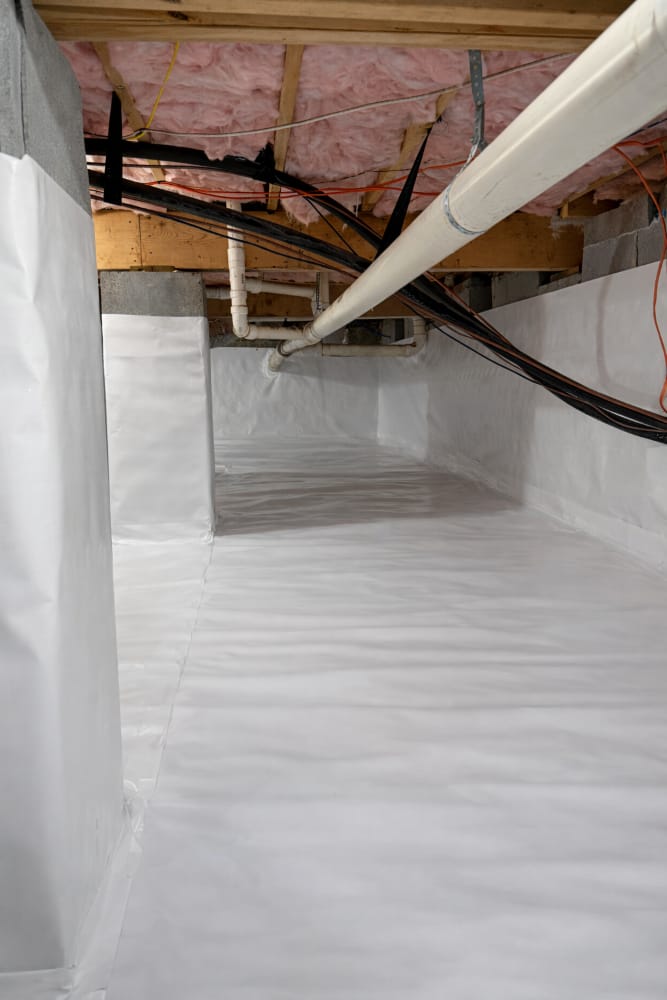
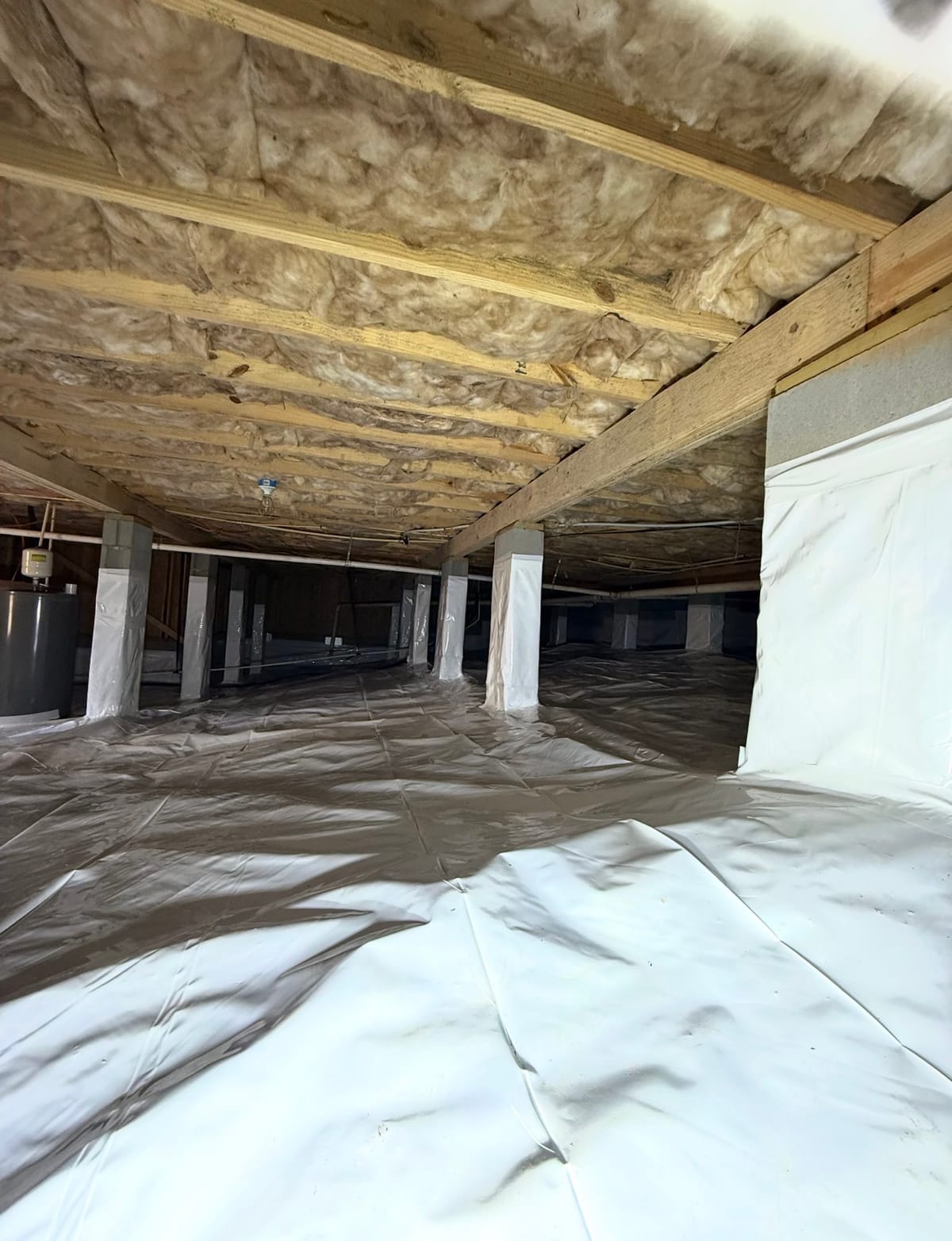
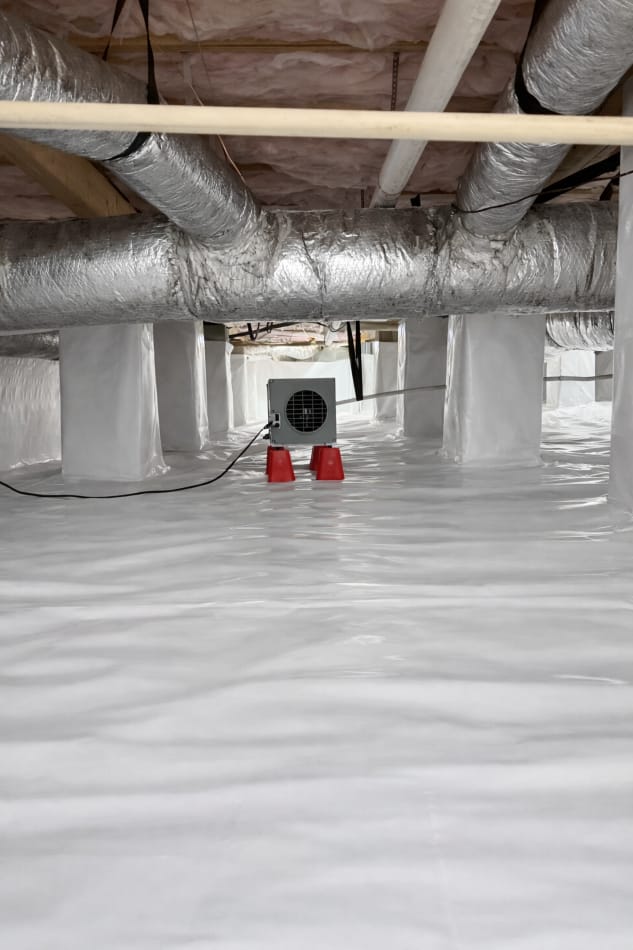
- Vapor barrier installation with reinforced liners, properly overlapped, taped, and mechanically fastened to ground and walls.
- Full crawl space encapsulation solutions where needed, sealing all ground, wall, and pier areas, plus vent sealing to stop summer humidity from entering.
- Professional crawl space dehumidifier installation. We size every unit to your unique crawl space for optimal year-round performance and maintain humidity below 55 percent.
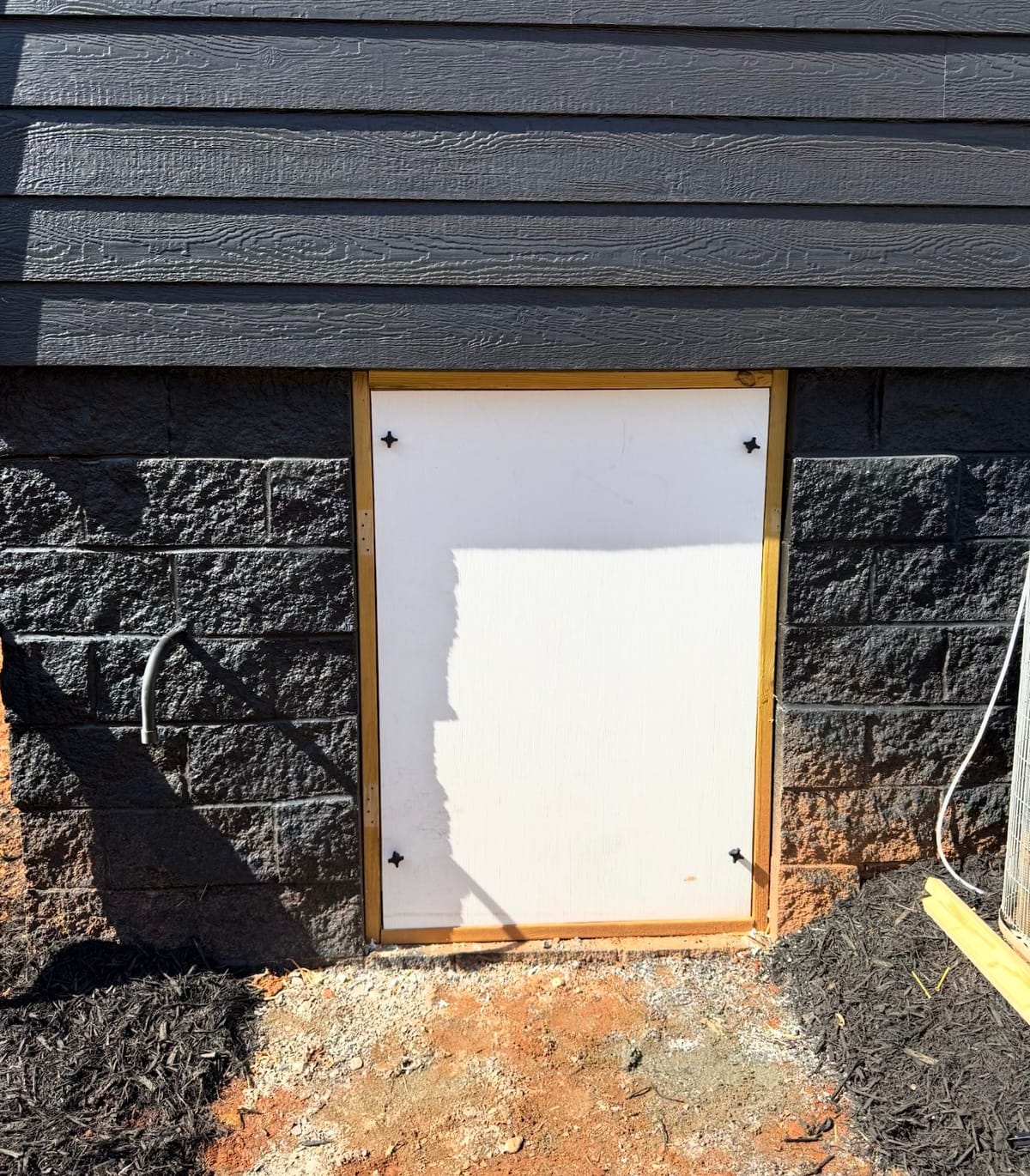
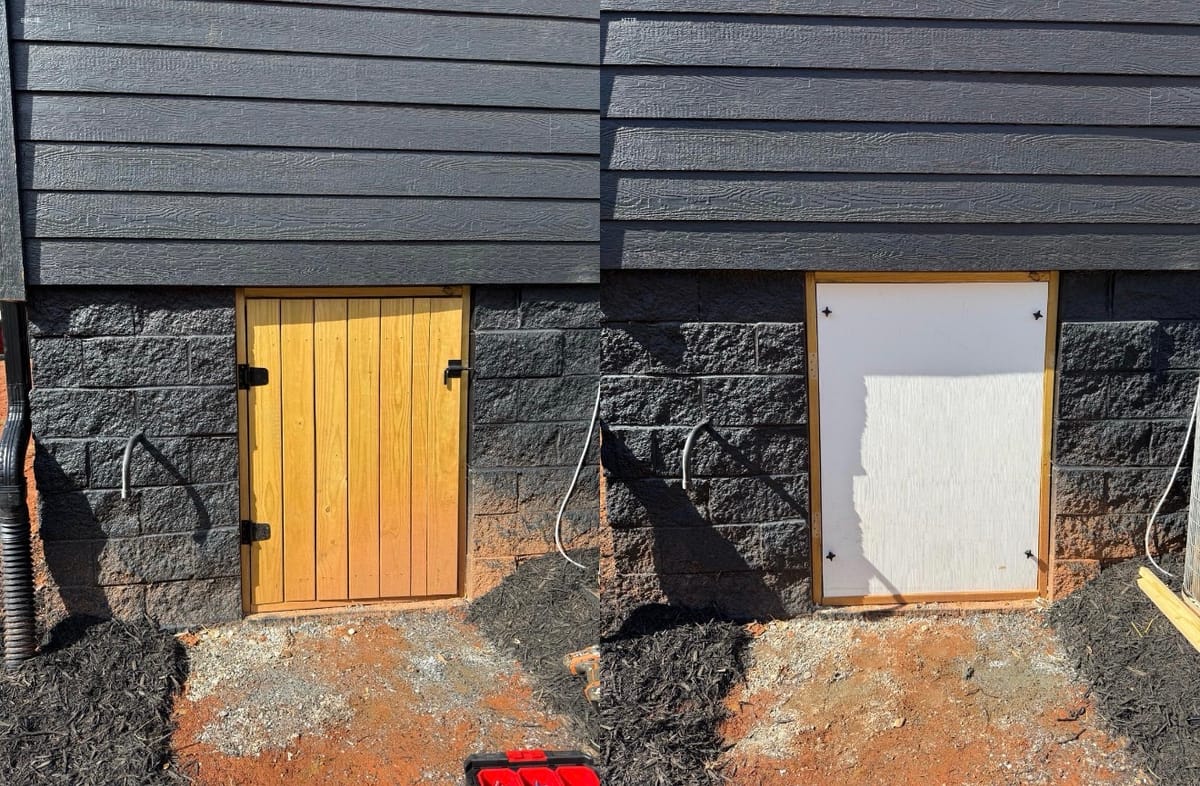
- Optional upgrades include custom crawlspace doors and targeted drainage correction if standing water is present.
Step 3: Repair and Remediation (Only as Needed)
- Professional mold removal or treatment using crawlspace-specific, safe solutions.
- Replacement or sistering of damaged joists, beams, or subfloor only where necessary (not a blanket "replace everything" approach).
- We coordinate with homebuyers, contractors, or realtors if repairs are required before closing or passing inspection (CL100 or similar reports).
Prevention: How to Stop Crawl Space Moisture Before Major Repairs Are Needed
Homeowners can greatly reduce the risk of expensive repairs with these best practices:
- Walk the interior regularly to check for bouncing floors or new cracks.
- If accessible, look under the home at least annually for standing water, muddy soil, or visible mold. If uncomfortable, schedule a professional inspection.
- Check and improve exterior grading so water flows away from — not toward — the foundation.
- Do not assume outside foundation vents are providing “fresh air.” In humid climates, they often worsen moisture problems.
- Have crawl space humidity measured and documented. Relative humidity above 60 percent means it is time to act.
See also our detailed checklist in this guide on pre-summer crawl space inspections.
Real-World Case Example
It is common for homeowners in the Upstate to discover crawl space moisture only after a contractor starts a remodel and finds soft or deteriorated subfloors. In these cases, structural work can balloon into major projects if moisture has been left unchecked. At JHS Crawlspace Specialist, we have transformed countless crawl spaces from musty, moldy, and damp to dry, clean, and structurally sound — often preventing unnecessary demolition and protecting finished floors upstairs for years to come.
Frequently Asked Questions
How do I know if floor problems are really from crawl space moisture?
If you have a combination of bouncy floors, musty odors, or visible problems in the crawl space (standing water, mold, soft wood), it is highly likely excess moisture is the underlying issue. A professional inspection with humidity and wood moisture measurements provides certainty.
What repairs can be avoided with proper moisture control?
By fixing crawl space moisture early, you may only need minor repairs instead of full subfloor or joist replacement. Proper encapsulation and dehumidification often stop deterioration so many structures only require targeted fixes rather than complete replacements.
Should I install new flooring if I suspect crawl space moisture?
No. New flooring or subfloor repairs should only be done after the crawl space is stabilized and dry. Otherwise, moisture trapped below can ruin new materials quickly and cause problems to reappear.
How much does crawl space encapsulation cost?
Costs vary based on size, condition, and needed repairs. For specific pricing, see our 2026 encapsulation cost guide.
Does insurance cover crawl space or floor repairs caused by moisture?
In most cases, crawl space moisture and rot are considered deferred or maintenance-related and are not covered. That’s why early action is so important.
Can vents or plastic on the ground alone fix crawl space moisture?
No. In the humid Upstate climate, open vents usually increase problems, and poorly installed or thin vapor barriers do not block enough moisture to protect wood. Full sealing plus a high-quality dehumidifier is often necessary.
Conclusion: Choose the Right Solution Before Repair Becomes Essential
Crawl space moisture is not just about comfort or odors — it is a major risk to floors and the wooden structure of your home. The best solution is fixing the environment underneath with proven systems before resorting to costly surface repairs. As the go-to experts in Upstate South Carolina, JHS Crawlspace Specialist provides comprehensive inspections and honest solutions to protect your home for the long term.
If you are worried by any symptoms described here, reach out for a free crawlspace inspection. An early, trusted assessment could save thousands in future repairs and help you protect the value, comfort, and air quality of your home.