Crawlspace Encapsulation in Inman, SC: Why More Homeowners Are Protecting Their Homes
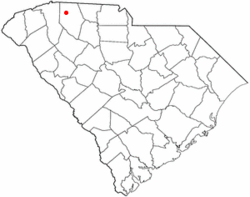
If you own a home in Inman, SC, odds are you have a crawlspace beneath your floors—out of sight and often out of mind. However, what’s happening under your house can have a huge impact on everything from air quality to structural integrity. Many homeowners in the Upstate don’t discover crawlspace issues until they notice musty odors, persistent humidity, or visible signs of moisture and mold indoors.
At JHS Crawlspace Specialist, we inspect crawlspaces in Inman every week and see firsthand the problems excess moisture can cause. From standing water after heavy rain to sagging floors and musty smells, the hidden costs add up quickly. Crawlspace encapsulation consistently delivers the most long-lasting protection against these issues, which is why more and more Inman homeowners are investing in this solution to safeguard their homes.
Understanding Crawlspace Moisture Issues in Inman, SC
Inman’s climate is defined by humid summers, frequent rain, and clay soils that retain water. This unique combination creates a persistent challenge: crawlspaces often become damp, even if the rest of the home appears dry. Many homeowners are surprised to learn that a large portion of the air inside their living space is pulled from beneath the house through a process called the "stack effect." If your crawlspace is moist, that air can bring humidity, odors, and even mold spores upstairs.
- Standing water remains after heavy rainfall
- Insulation becomes wet or begins to sag
- Musty, unpleasant odors linger indoors
- Condensation appears on ductwork and pipes
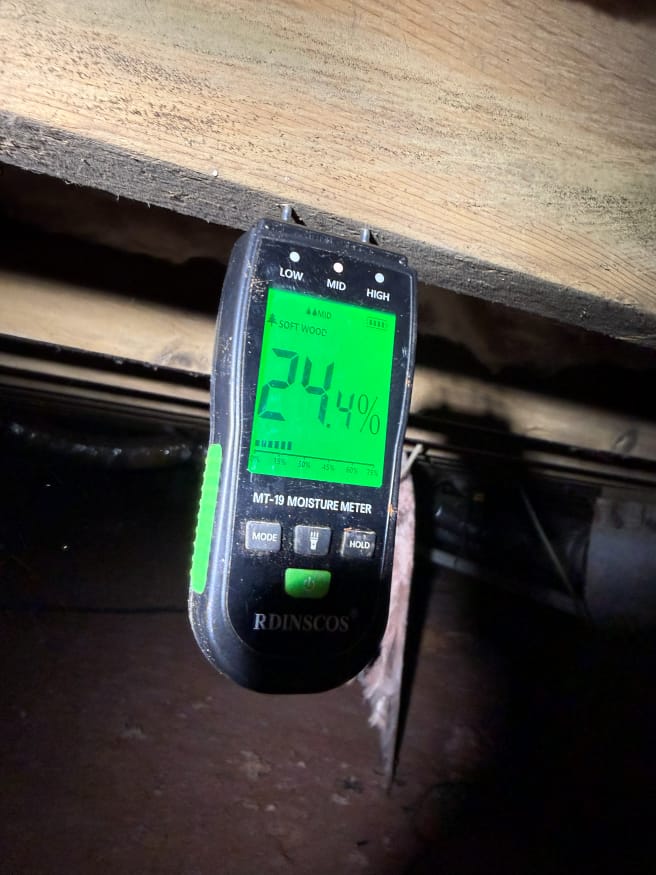
- Moisture meters show elevated levels in wooden structures
- Floors may feel soft, bouncy, or uneven
- Mold or mildew appears on wood surfaces and joists
- High humidity is noticeable in the home, especially in summer
What Is Crawlspace Encapsulation?
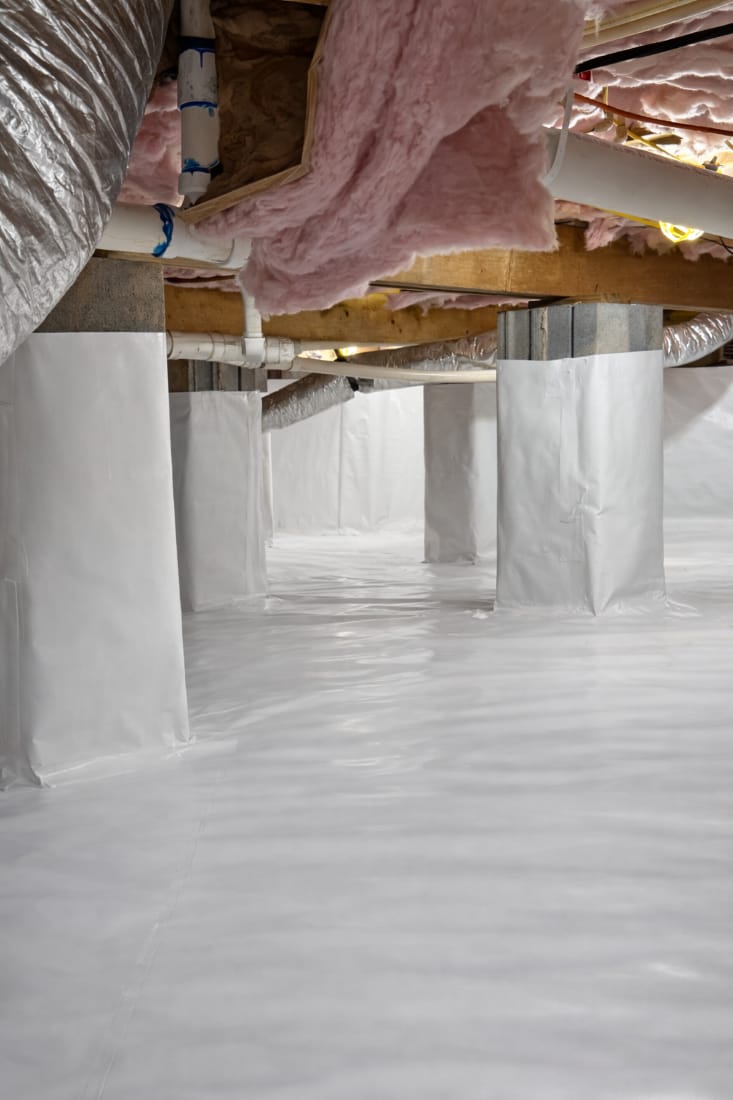
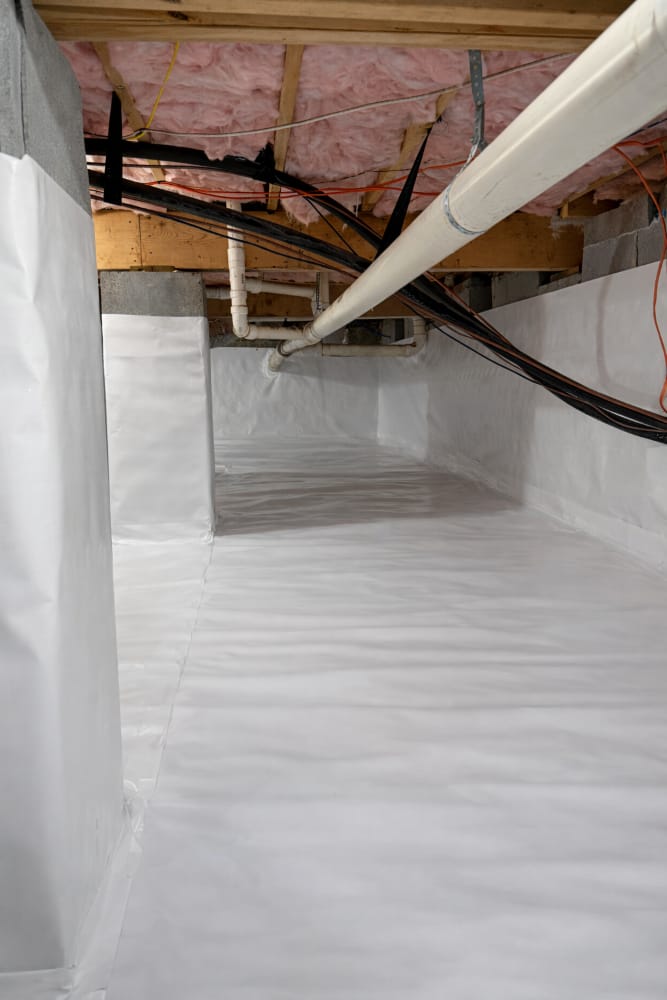
Crawlspace encapsulation is a process designed to separate your home from the persistent moisture and humidity that naturally build up underneath it. Done right, encapsulation transforms your crawlspace from a damp, vulnerable area into a clean, dry, controlled environment. This is much more than laying down a sheet of plastic—it's a holistic system aimed at long-term protection.
- Heavy-duty vapor barrier: Thick, reinforced white vapor barrier fully covers the floor
- Wall sealing: Barrier is extended and tightly sealed up the foundation walls, not just the dirt floor
- Vent sealing: All crawlspace vents, outside gaps, and penetrations are closed to humid air
- Dehumidifier Installation: For ongoing humidity control, a commercial-grade dehumidifier can be fitted if needed
- Moisture management: Any standing water or drainage problems are addressed before encapsulation begins
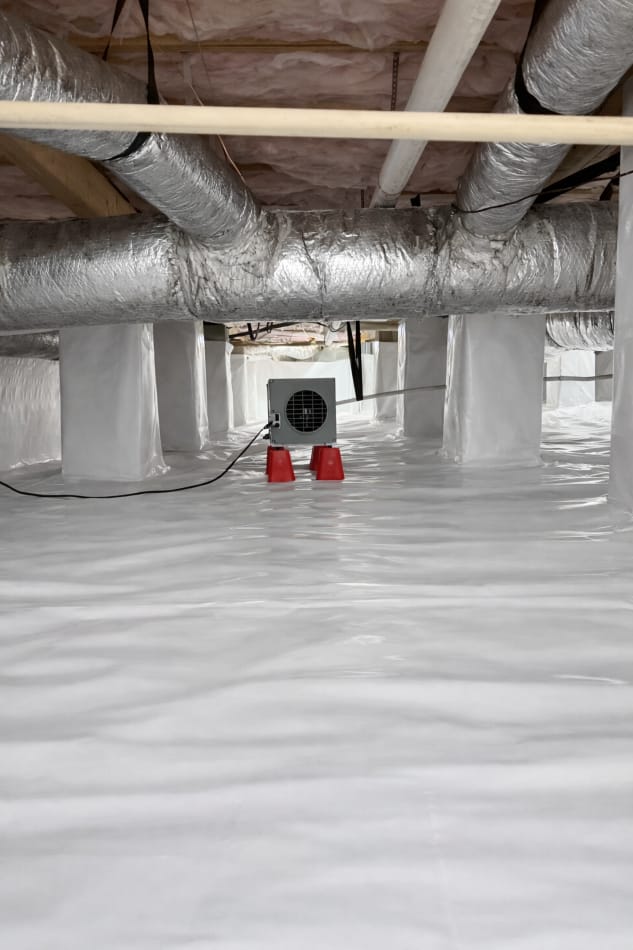
The result? A healthier crawlspace and a healthier home above it.
How Crawlspace Encapsulation Helps Homeowners in Inman
When we encapsulate a crawlspace in Inman, we see several key benefits develop over time:
- Better moisture control: Reduces humidity, protecting joists, beams, and subfloors from rot and deterioration
- Fewer odors: Encapsulation tackles musty crawlspace smells at the source—by removing excess moisture
- Healthier air quality: Reduces the movement of damp, potentially contaminated air upward into living areas
- Protects the structure: Prevents long-term wood damage, sagging floors, and insulation failure
- Raises energy efficiency: Lower humidity lightens the load on your HVAC system, often leading to reduced energy bills
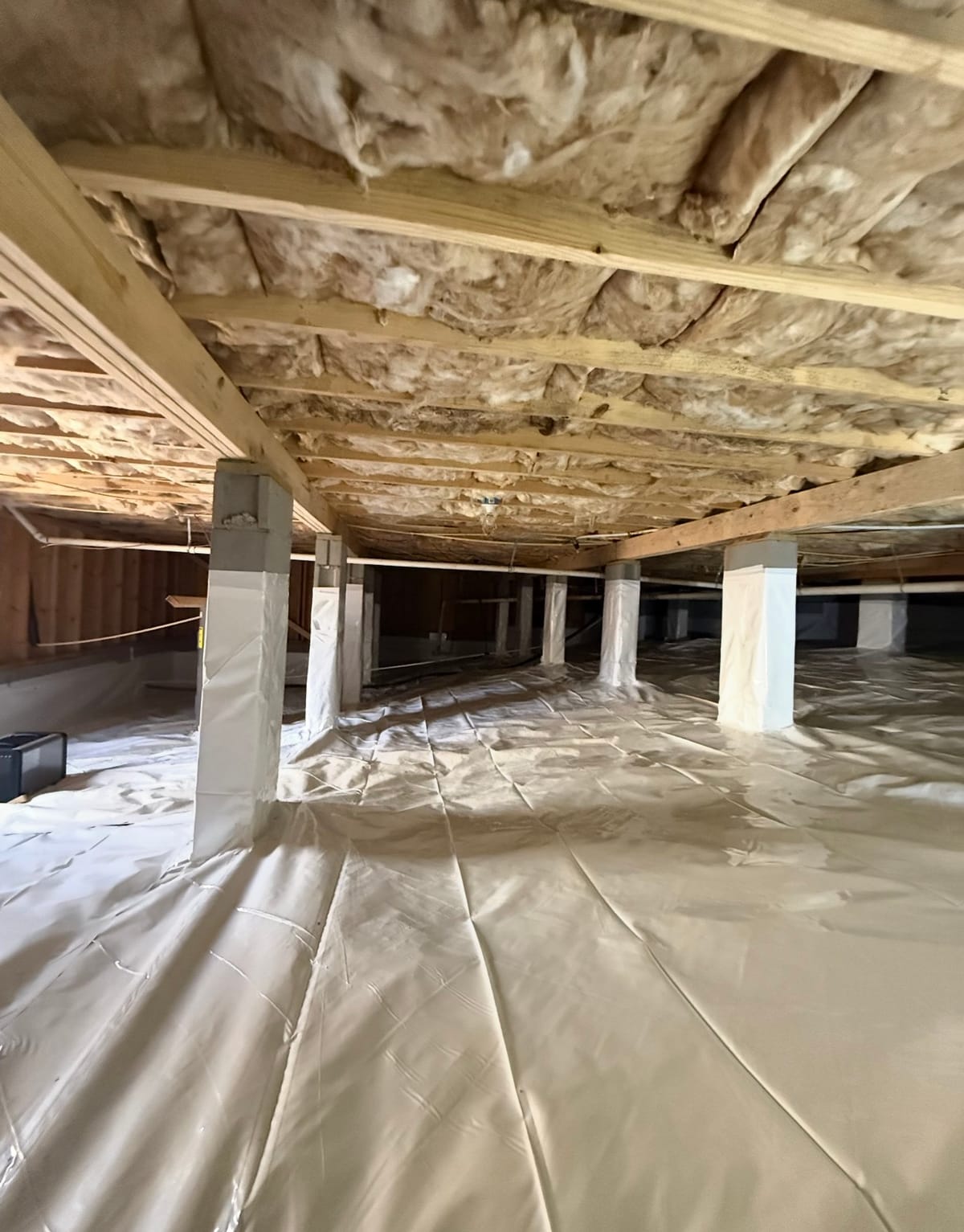
Is Your Inman Home Showing Signs It Needs Encapsulation?
Moisture issues rarely fix themselves. Ignoring early symptoms allows problems to become more severe and costly. Signs you may need a professional crawlspace inspection and encapsulation include:
- Floors above the crawlspace feel soft, bouncy, or uneven
- Persistent musty odors inside your house
- Condensation appearing on windows, ducts, or pipes
- Visible dampness, pooling water, or wet insulation in the crawlspace
- Mold growth underneath the home
Many homeowners reach out after failing a home inspection, or when high indoor humidity becomes a daily struggle. The sooner moisture problems are handled, the simpler and more affordable your options generally are.
The Encapsulation Process: Step by Step
Having helped hundreds of Upstate homeowners, JHS Crawlspace Specialist has developed a thorough framework for crawlspace encapsulation tailored to the unique demands of Inman properties. Here’s how our process typically unfolds:
- Inspection: Every job begins with a free inspection to assess moisture, wood condition, insulation status, and current vapor barriers. We provide photo documentation and clear, pressure-free recommendations.
- Moisture measurement: Humidity and wood moisture levels are carefully checked to pinpoint hidden risks.
- Addressing water intrusion: If standing water or drainage issues exist, these are handled before any barrier is installed.
- Vapor barrier installation: We lay a heavy-duty, properly overlapped vapor barrier over the entire crawlspace floor, sealing the seams and extending coverage up foundation walls.
- Sealing & air control: All vents, gaps, and pipe penetrations are closed to prevent future humid air entry.
- Dehumidifier installation: If humidity levels warrant it, a crawlspace-rated dehumidifier is added, which is sized specifically for the space.
- Final walkthrough & verification: We confirm the space is dry, properly sealed, and functioning as a controlled environment.
How Encapsulation Compares to Leaving a Crawlspace Vented
Traditional thinking once held that vented crawlspaces would "air out" moisture. In humid climates like Inman, however, open crawlspace vents usually make problems worse—bringing in damp air that condenses on cooler surfaces. Encapsulation, in contrast, locks out outside moisture and creates a stable, dry environment beneath the house.
To understand why Upstate homes are moving away from vented foundations, read our post on why crawl space vents actually make moisture problems worse in Spartanburg.
Why Inman Homeowners Choose JHS Crawlspace Specialist
JHS Crawlspace Specialist is a locally owned company focusing exclusively on crawlspace moisture control and repair throughout Inman, Spartanburg, and surrounding areas. We provide solutions that include encapsulation, vapor barrier installation, crawlspace dehumidifiers, vent sealing, drainage correction, odor control, and free crawlspace inspections.
Our approach is different—no pressure, no scare tactics—just experienced inspection, honest findings, and clear, itemized estimates. Every client receives photo documentation, direct communication, and a walkthrough of what we found, so you can make an informed decision.
Real Results: What Inman Homeowners Say
While we do not publish individual case studies here, Inman homeowners regularly share their positive experiences after encapsulation. Many people comment that their crawlspace is now dry, musty odors have disappeared, and the air inside their homes feels noticeably fresher. Google reviews frequently highlight our honesty, professionalism, clear communication, and commitment to doing the job right.
We’re also the first choice among local realtors, contractors, and property managers who need a reliable solution for moisture or musty odor issues during property transactions.
When Should You Consider Crawlspace Encapsulation?
Encapsulation is a valuable investment if you’re facing persistent moisture, humidity, structural, or odor concerns that don’t resolve with quick fixes. Problems like wet insulation after rain, ongoing mildew smells, floor movement, or water stains are all signs that the crawlspace needs professional attention. Inman’s climate means patching symptoms alone rarely results in lasting protection; a full encapsulation delivers peace of mind and real improvement.
Best Practices for Crawlspace Health in Inman
- Schedule inspections annually or whenever you notice changes in moisture, odor, or floor condition
- Use professional, thick vapor barriers and extend them up the foundation walls—thin or loose plastic is not enough
- Seal all vents, gaps, and penetrations—one weak spot can compromise the whole system
- Check insulation for recurring wetness, which indicates a moisture issue below
- Install a crawlspace-rated dehumidifier if humidity remains high after encapsulation
- Address drainage and water entry before installing vapor barriers
- Document work with before-and-after photos for peace of mind and resale value
For more on common Upstate crawlspace moisture problems, see why your crawl space stays wet even after the rain stops.
Frequently Asked Questions
What is the difference between a vapor barrier and full crawlspace encapsulation?
A vapor barrier is a single layer of reinforced plastic covering the ground to block moisture rising from the soil. Full encapsulation includes the vapor barrier, plus sealing walls, vents, and gaps, and possibly installing a dehumidifier and drainage as needed—resulting in full separation from outside air and ground moisture.
How long does crawlspace encapsulation last?
Professional encapsulation can provide long-term protection. For details on lifespan and required maintenance for Upstate SC homes, visit how long does crawlspace encapsulation last.
Can I just fix the issues myself with DIY materials?
Some small problems may be DIY, but for most crawlspaces in Inman, a long-lasting seal requires professional-grade barriers, wall and vent sealing, and moisture management. Patchwork fixes often result in recurring issues.
Will encapsulation address mold problems?
Encapsulation helps prevent new mold growth by removing moisture. Any existing mold should be properly treated before sealing the crawlspace to avoid trapping contamination inside.
How much does crawlspace encapsulation cost in Inman?
Costs depend on crawlspace size, amount of repairs, and specific needs. Contact JHS Crawlspace Specialist for a free, no-pressure inspection and itemized estimate tailored to your home.
Why do so many homes in the Upstate have crawlspaces?
Crawlspaces are common in the South due to soil types, building traditions, and cost. Unfortunately, the local climate means those spaces need extra care to stay dry year-round.
Conclusion: Protect Your Home With Crawlspace Encapsulation
Hidden crawlspace moisture issues can threaten your home’s structure, comfort, and air quality. Encapsulation has become the go-to solution for homeowners across Inman who want to stop chronic dampness, odors, and wood damage before they lead to major repairs. If you’ve noticed warning signs—or simply want peace of mind knowing what’s happening under your home—the best next step is a free, no-obligation inspection from a local expert.
Learn more about our process, see before-and-after results, or schedule your free crawlspace inspection today and take control of your home’s environment from the ground up.