Crawl Space Drainage vs Encapsulation: Which Problem Does Each Solve?
When faced with musty odors, high humidity, or standing water under your home, understanding the difference between crawl space drainage and encapsulation is essential for getting the right fix. At JHS Crawlspace Specialist, we are often asked which solution is needed—and the answer depends on the specific problem present in your crawl space. Both drainage and encapsulation play specific roles, and sometimes, a combination is the long-term answer.
Definitions: What Are Crawl Space Drainage and Encapsulation?
- Crawl space drainage is a set of strategies and systems aimed at removing liquid water from under your home. This includes improving grading, extending downspouts, installing interior drains, and using sump pumps where needed.
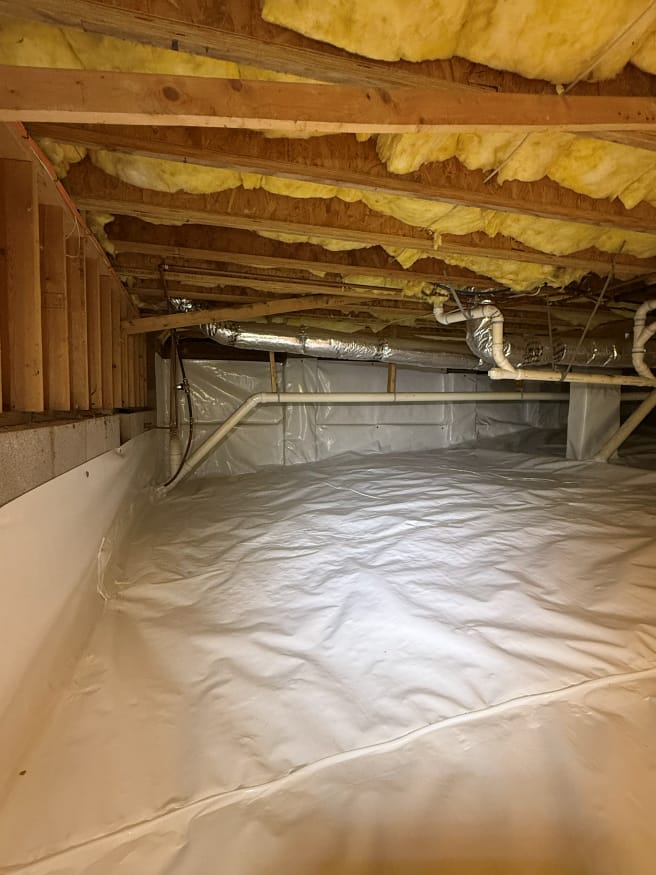
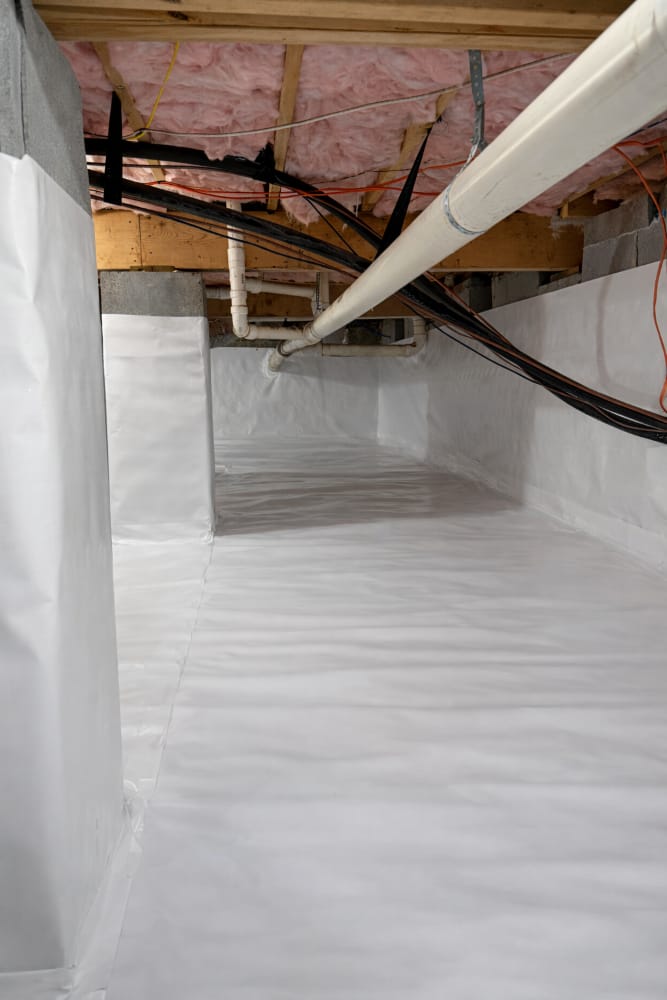
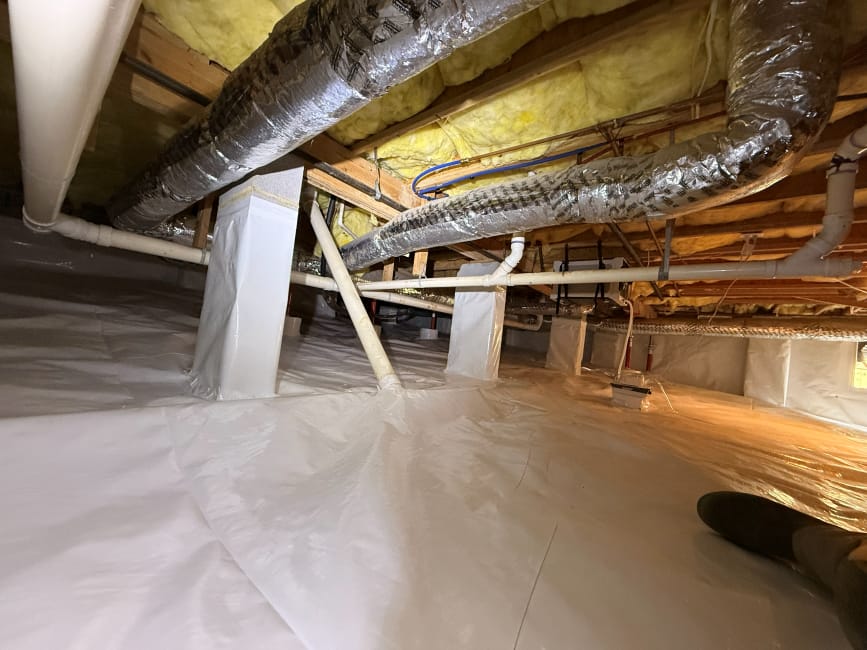
- Crawl space encapsulation is a comprehensive system designed to seal your crawl space off from ground moisture and outdoor air. It includes vapor barriers, vent sealing, door installation, and professional-grade dehumidifiers to manage humidity for the long run.
The Direct Differences: What Each System Fixes
- Drainage addresses liquid water: standing water, puddles, and water intrusion through the walls or up from the ground. You need drainage if you walk under your home after rain and find soggy soil or see water flowing through the crawl space.
- Encapsulation targets "moisture vapor and uncontrolled air": persistent odors, high humidity, condensation, mold/mildew on surfaces, energy inefficiency, and long-term air quality issues. Encapsulation seals your crawl space and controls the environment year-round.
Step-by-Step: How to Identify Which Solution Is Needed
When to Choose Drainage
- Visible standing water or repeated puddles after rain
- Soil in your crawl space feels squishy or saturated
- Water lines or staining visible on foundation walls
- High water table or seasonal groundwater observed
If you spot these signs, install drainage first to prevent structural damage and standing water under the vapor barrier. Drainage may include regrading, downspout extensions, and possibly a French drain with a sump pump.
When to Choose Encapsulation
- Musty odors coming up from below
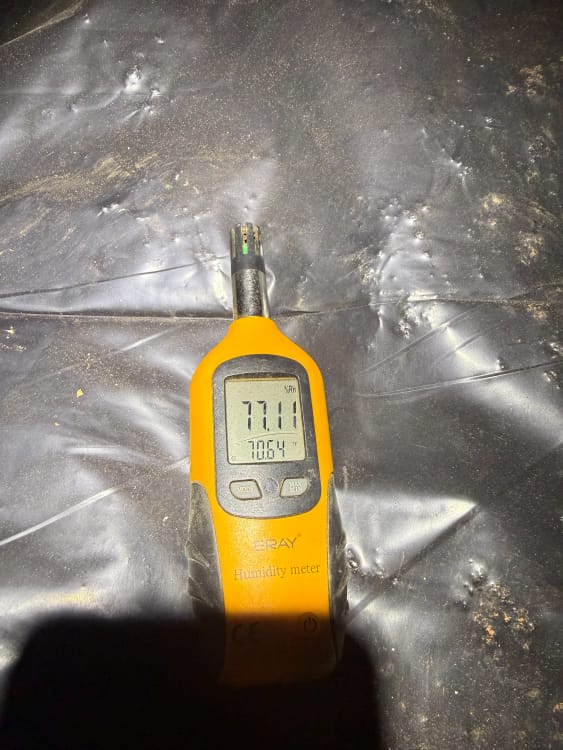
- Humidity consistently above 60 percent (use a meter if in doubt)
- Condensation on pipes, ductwork, or insulation in summer
- Visible mold or mildew on wood or insulation
- High energy bills, soft or sagging floors, and air quality concerns
Encapsulation is a long-term system to solve moisture and air issues, and it should only be installed after addressing any underlying drainage problems.
JHS Crawlspace Specialist Process: From Assessment to Solution
1. Free Crawlspace Inspection
Our team offers free, honest crawlspace inspections for Upstate South Carolina homeowners. We measure humidity, check for water and drainage issues, inspect barriers, and look for signs of mold, odors, and structural risks. You get photo documentation and a clear written report that distinguishes between conditions needing drainage, encapsulation, or both.
2. Drainage Fixes, When Needed
- Gutter and downspout corrections
- Landscape grading recommendations (sloping soil away from the foundation)
- Interior French drain and sump pump where water persists
- Basic vapor barrier to stabilize moisture until encapsulation is possible
3. Encapsulation for Long-Term Protection
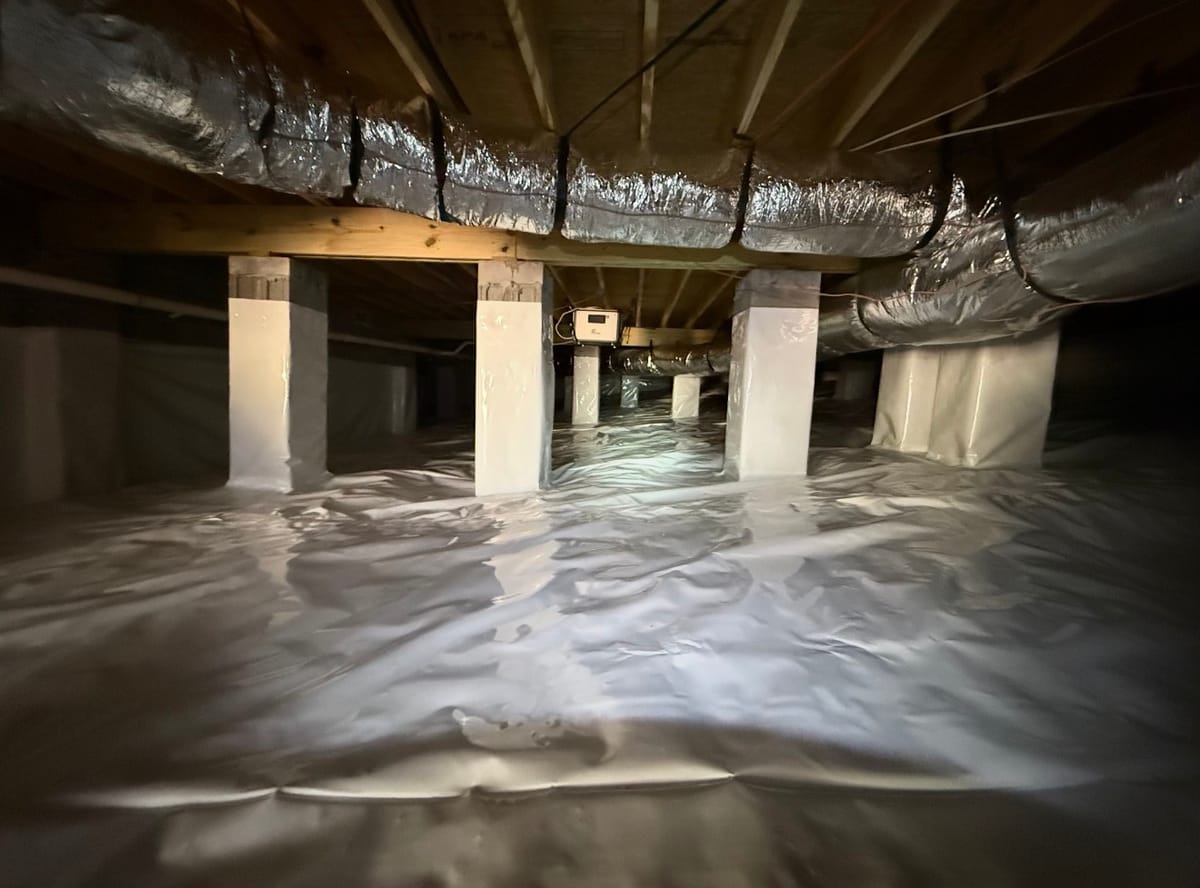
- Professional vapor barrier covering all exposed soil, up foundation walls and piers
- Sealed seams and overlaps to fully block ground moisture
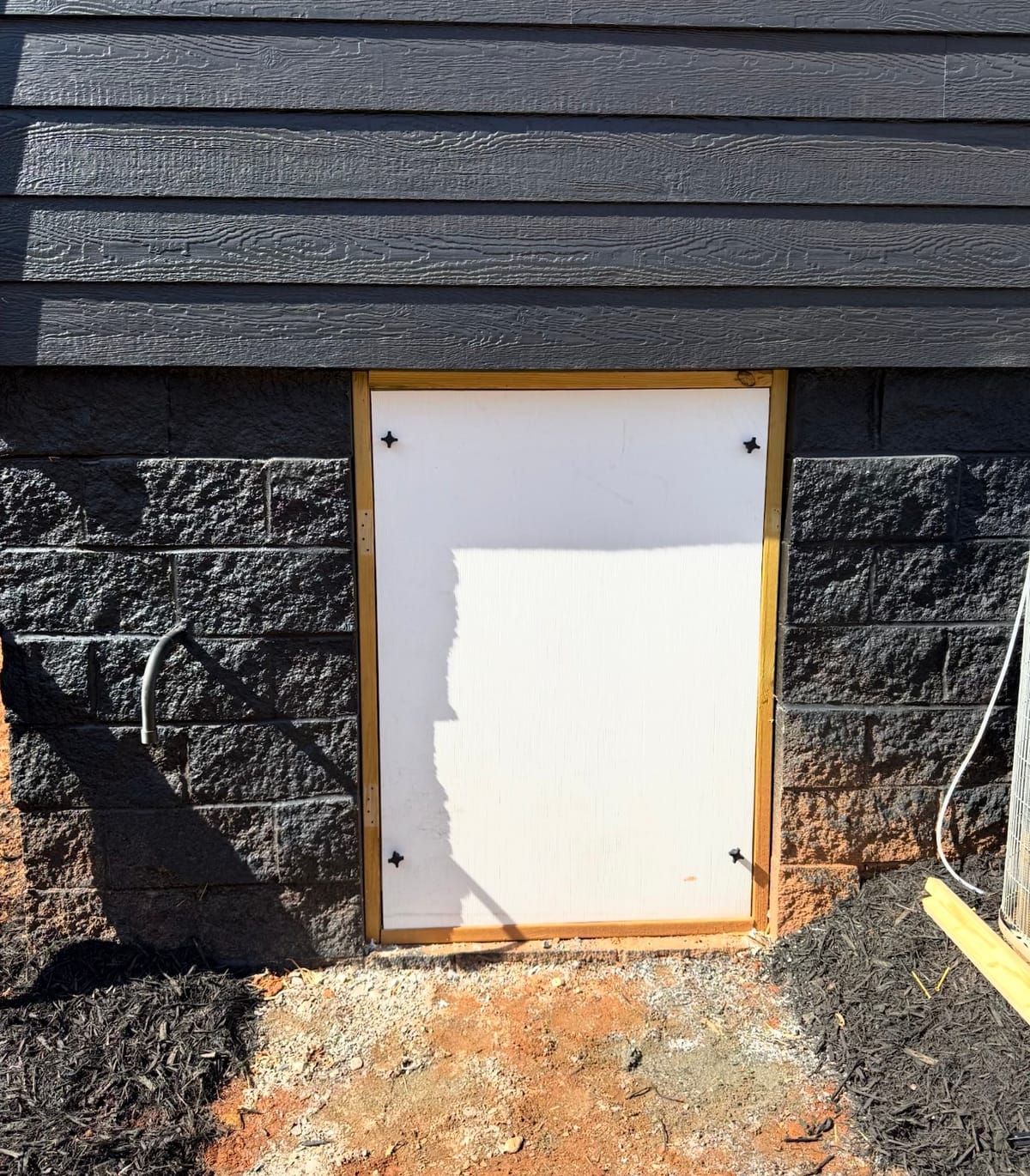
- Vent sealing and installation of custom airtight crawl space doors
- High-capacity, crawlspace-specific dehumidifier to keep humidity in check year-round
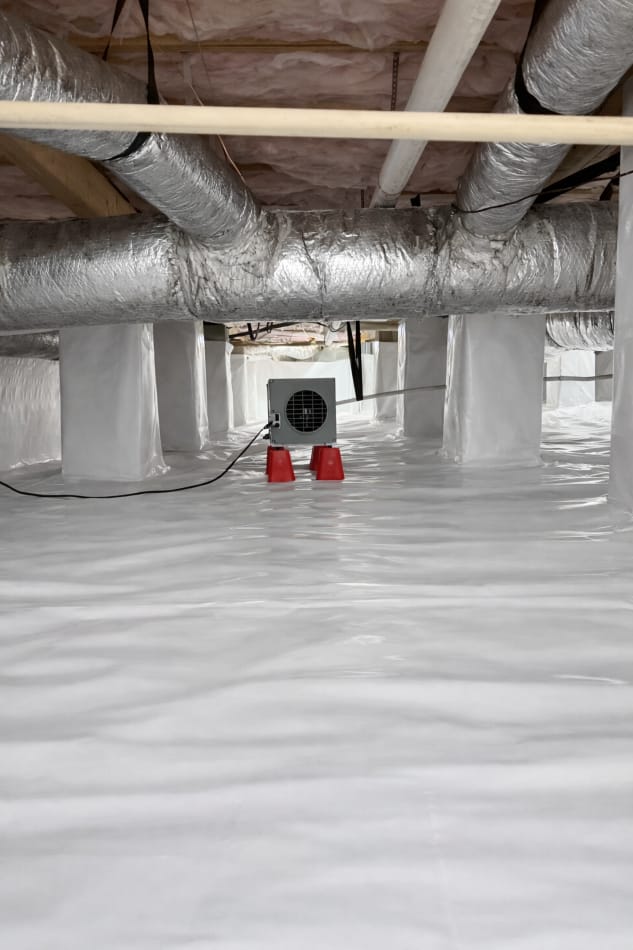
Our encapsulation projects always reflect the real conditions of your home’s crawl space. If drainage is needed, it’s implemented first to guarantee the long-term results of encapsulation.
Common Scenarios: Which Solution (or Both) Fits?
Scenario 1: Persistent Standing Water
- Drainage comes first. Encapsulation should follow only after the crawl space is reliably dry.
- This is common in neighborhoods with clay soil, sloped lots, or homes with flat yards and short downspouts.
Scenario 2: High Humidity, No Standing Water
- Encapsulation with vapor barrier, vent sealing, and a dehumidifier is the primary answer.
- Perfect for older homes where musty smells and mold show up every summer—even when water isn’t visibly present.
Scenario 3: Both Water and Odors
- Complete drainage work first, then encapsulate for long-term odor and humidity control.
- This dual approach creates a crawl space that is dry, clean, and supports healthy air quality in the living space above.
Best Practices: The JHS Crawlspace Specialist Approach
- Always investigate water sources before encapsulation: Downspout discharge, yard grading, gutter leaks, and failing landscape drainage are addressed before installing a vapor barrier.
- Use professional-grade materials, not hardware store plastic: Encapsulation only works if vapor barriers are thick, reinforced, and fully sealed.
- Custom-fit dehumidifiers for proper humidity control—undersized or misapplied equipment is a common reason DIY systems fail.
- Transparent communication: We provide written findings, photo evidence, and a step-by-step plan with no upselling or scare tactics.
Common Misconceptions Clarified
- Encapsulation does NOT eliminate standing water. Sealing over wet soil will trap moisture, not fix it. Drainage fixes water. Encapsulation prevents vapor and air problems.
- Drainage alone does not control humidity. Removing water is step one, but additional vapor consistently rises from the soil. Encapsulation and dehumidification are needed for a healthy environment.
- A basic plastic sheet is not a crawl space vapor barrier. True vapor barriers are reinforced, sealed, and professionally overlapped to actually block moisture.
Crawl Space Drainage and Encapsulation: Frequently Asked Questions
What is the first step if I have both water and musty smells in my crawl space?
Drainage must come first to stop water entry. Once conditions dry out, install encapsulation for long-term moisture and air control. JHS Crawlspace Specialist provides a free, step-by-step plan for both.
How do I know if I need professional help?
If water keeps appearing, if you see visible mold, sagging floors, or your home smells musty, professional inspection is needed. Persistent moisture and structural issues only get worse over time. Honest, specific advice makes repairs more cost-effective and targeted.
Can I install a vapor barrier myself?
While DIY is possible, most homeowners struggle to fully seal seams, address hidden water entry, or size a dehumidifier correctly. Many permanent repairs require experience to ensure long-term protection against mold and wood rot. A professional like JHS Crawlspace Specialist ensures every detail is covered and documented.
Do you always need both drainage and encapsulation?
No. Some homes only need drainage, while others only need encapsulation. Many Upstate SC homes ultimately benefit from both, especially in high humidity or flood-prone neighborhoods. An expert inspection will determine the most effective (and affordable) order of solutions.
Is crawl space encapsulation really worth the investment?
Encapsulation protects your home’s structural framing, improves air quality, prevents mold growth, and often lowers energy bills. Several Upstate homeowners have found encapsulation to be a wise, long-term investment compared to ongoing repairs.
Why Upstate SC Homeowners Trust JHS Crawlspace Specialist
- We perform free inspections with honest, pressure-free recommendations
- All work is documented with photos and clear written reports
- We specialize exclusively in crawl space solutions—no general contracting or distractions
- Transparent pricing and a local, owner-operated team serving only the Upstate
- Real customers repeatedly praise our honesty, professionalism, and outcome-driven approach
Taking Action: Protect Your Home the Right Way
If you are unsure which issues are lurking beneath your floors, there’s no risk in reaching out for an expert opinion. JHS Crawlspace Specialist offers a free inspection and a plan tailored to your crawl space’s real needs—whether you require drainage, encapsulation, or both. Our mission is permanent solutions, delivered with transparency and respect for your home and family.
Ready to safeguard your investment and indoor air? Contact us for a free crawlspace inspection and discover why so many Upstate SC homeowners trust our guidance and craftsmanship. For further reading, see the hidden costs of ignoring crawl space moisture or what to do with wet crawl space insulation.