What Happens When a Crawl Space Dehumidifier Stops Draining?
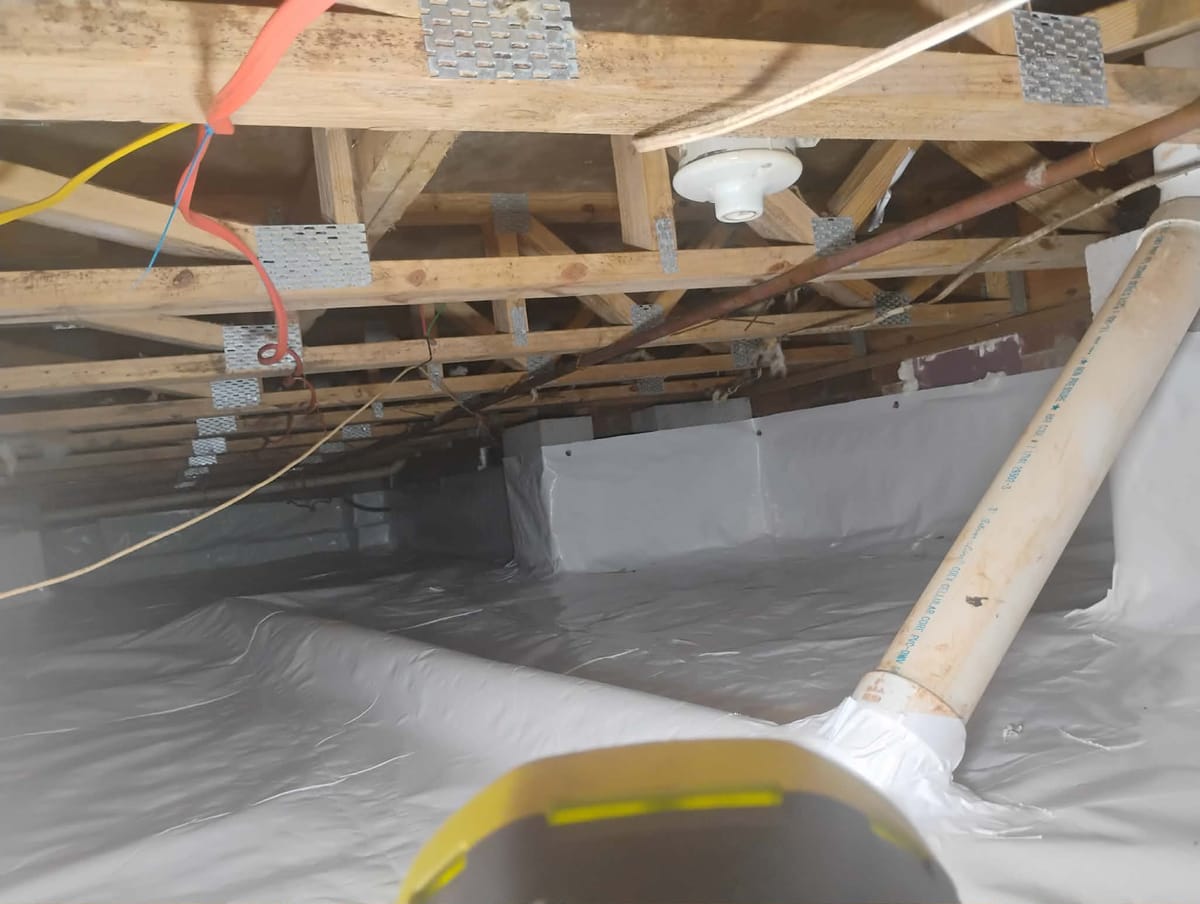
If a crawl space dehumidifier stops draining, the impact on your home's moisture control can be immediate and severe. Without the ability to move water out, the dehumidifier either shuts off, overflows, or leaves your crawl space too humid—opening the door to musty odors, condensation, mold growth, wood decay, sagging floors, wet insulation, and even higher energy bills. For homeowners in Upstate South Carolina, where heat and humidity are persistent, this is a time-sensitive issue that can quickly undo the benefits of previous moisture control and encapsulation work.
At JHS Crawlspace Specialist, we often encounter homes where a failed dehumidifier drain has triggered a cascade of problems beneath the floor. If left unaddressed, high humidity in the crawl space not only damages wood and insulation but also negatively affects the air quality in your living space through the stack effect. In short, a non-draining or leaking crawl space dehumidifier is much more than a minor appliance hiccup: it's a real threat to your home's structure, comfort, and health.
Definition: What Is a Crawl Space Dehumidifier Supposed to Do?
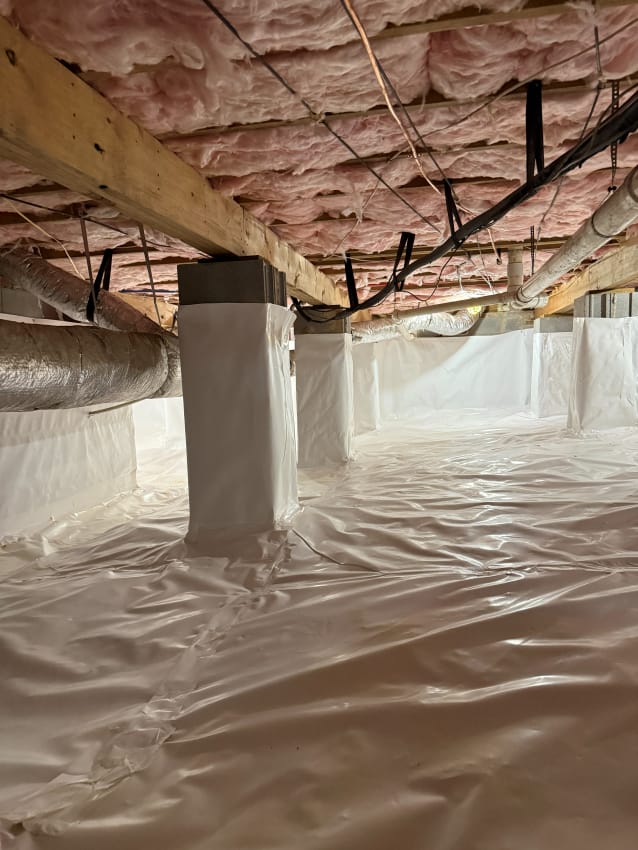
A crawl space dehumidifier’s main purpose is to continuously pull excess moisture from the air beneath your home and discharge collected water safely outside or to a drain. Unlike typical room dehumidifiers, these units are designed for colder, tighter, and dustier below-home spaces. Installed as part of a system—including vapor barriers, vent sealing, and sometimes encapsulation—these dehumidifiers help maintain healthy humidity (usually below 55%), prevent mold, stop condensation, and preserve the structural wood framing and insulation.
Our team at JHS Crawlspace Specialist installs crawlspace-rated dehumidifiers specifically measured and placed for Upstate homes, ensuring reliable, automated drainage so homeowners never need to empty buckets or worry about overflow.
What Happens When Drainage Fails?
When drainage stops, water cannot exit the dehumidifier as intended. Depending on your setup, here’s what you might see:
- The collection bucket fills, and the unit automatically shuts off (no water is being removed from the crawl space air).
- The drain hose is clogged, leading to a backup or a wet mess around the unit.
- Kinked or poorly routed hoses, or hoses running uphill, prevent proper flow, causing overflow or system shutdown.
- Units with pumps may have failed floats or blocked intake, preventing water from being pumped out.
- Over time, standing water from the failed unit increases crawl space humidity rapidly.
Warning Signs: How to Tell Your Crawl Space Dehumidifier Has Stopped Draining
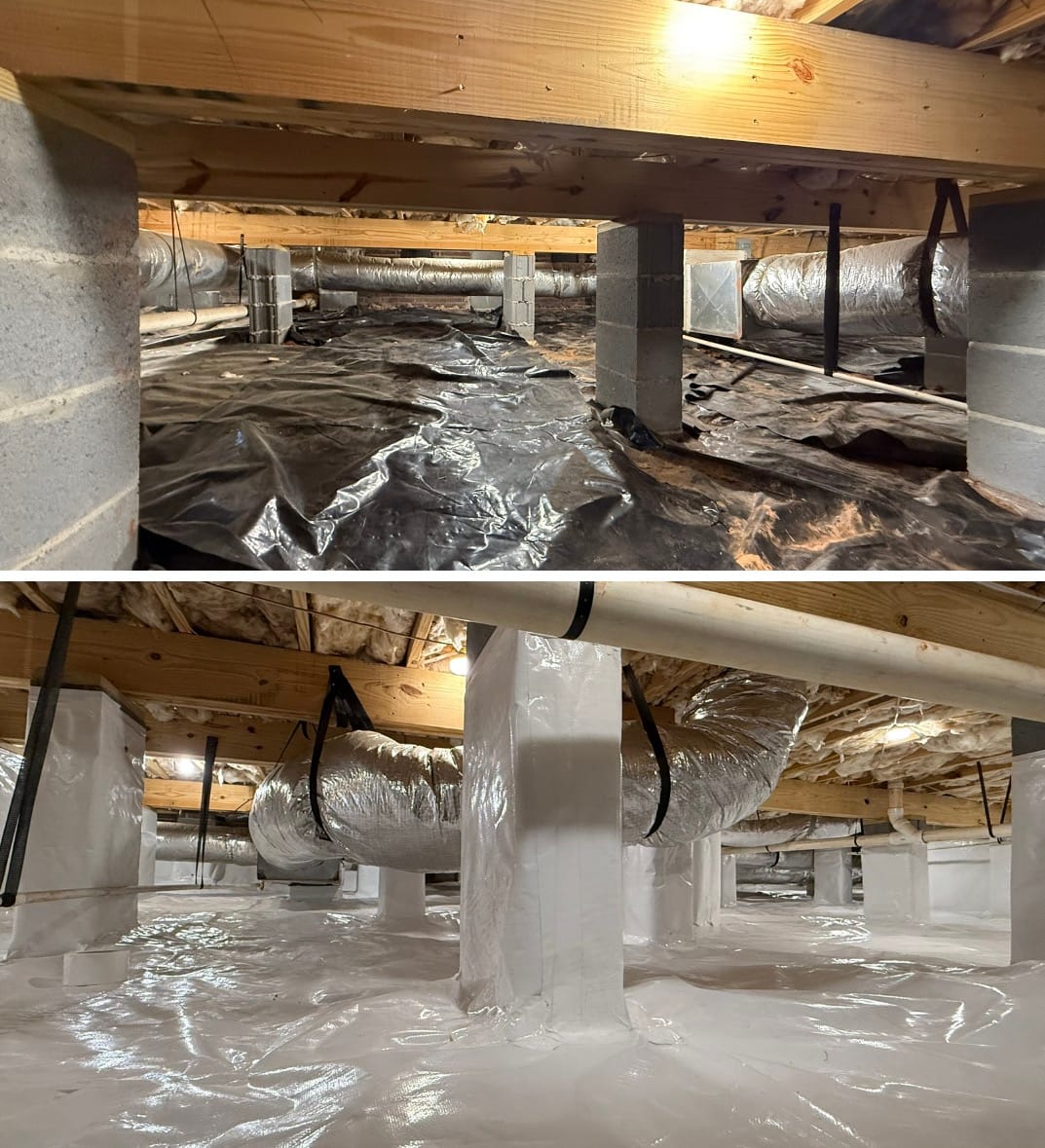
Homeowners usually notice one or more of these signs before any major damage occurs:
- Humidity stays high, even while the unit runs.
- Unit is cycling on and off more often than normal.
- Buckets are full when they should be empty by drainage.
- Standing water around or under the dehumidifier itself.
- Unexpected musty odors returning to the main living spaces.
- Condensation present along ducts or framing near the appliance.
- System error lights or unexpected shutdowns.
Risks: What Can Go Wrong If You Ignore the Problem?
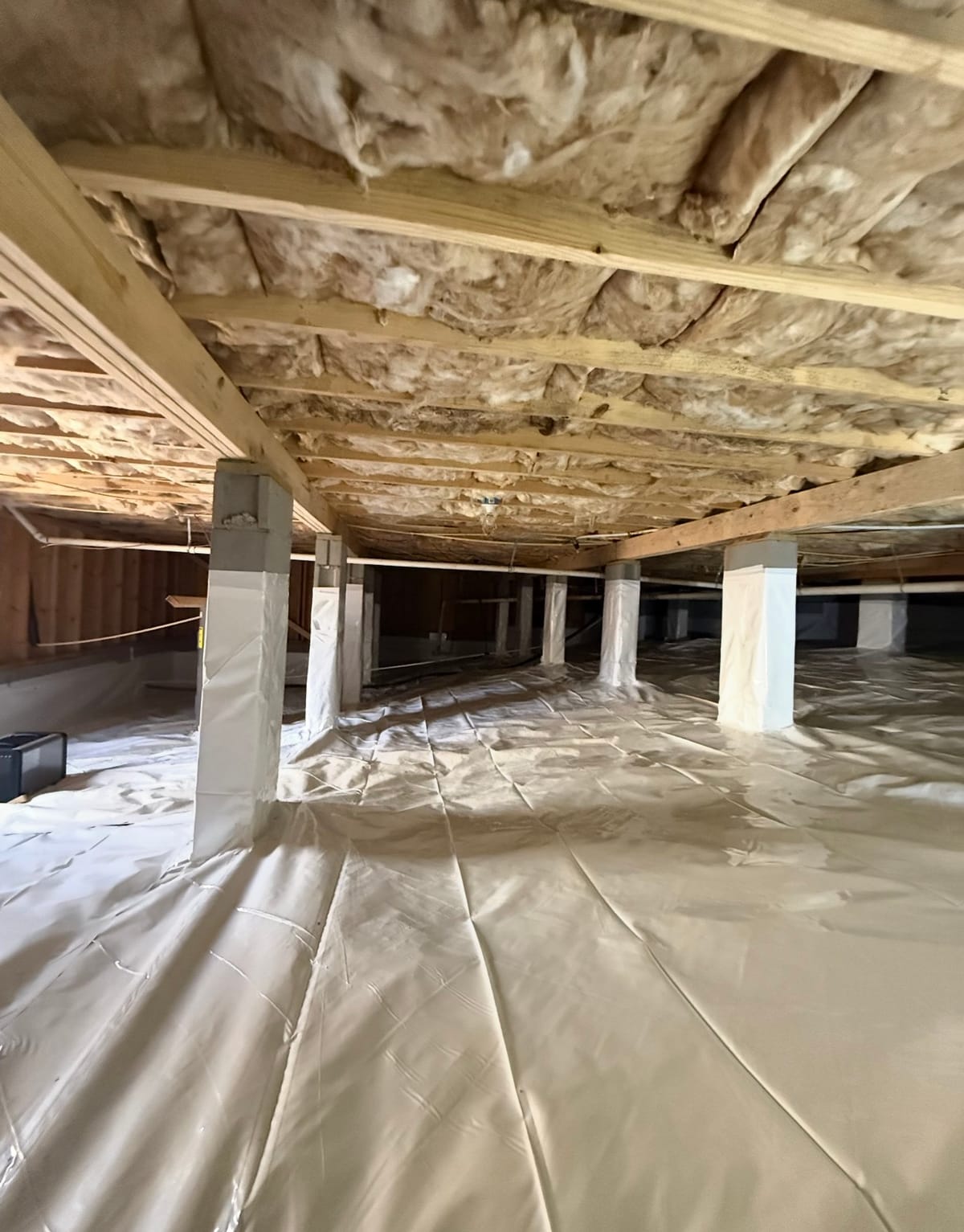
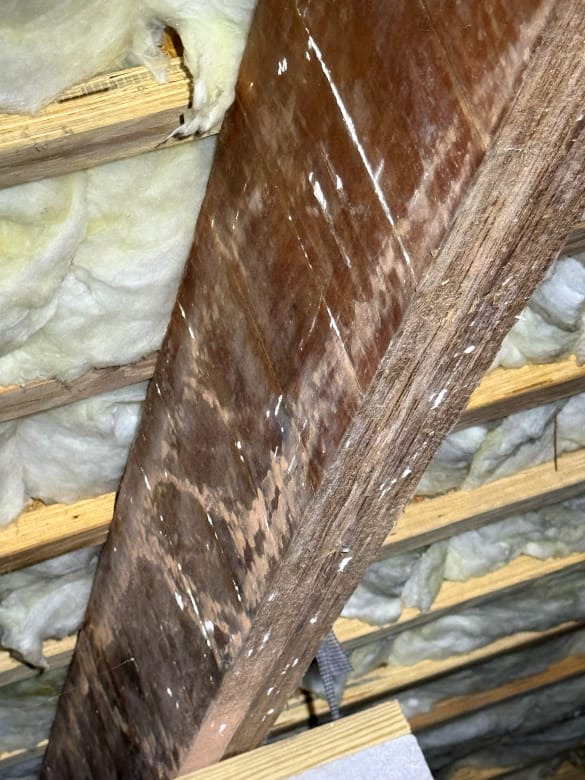
- Mold and mildew growth: Persistent crawl space humidity can cause rapid mold colonization on wood, insulation, and even storage boxes.
- Musty odors in the home: Crawl spaces with uncontrolled moisture often create an unmistakable, unpleasant smell in interior rooms.
- Wood rot and floor system damage: Extended exposure of support beams and subfloors to moisture leads to rot and structural weakness.
- Sagging or bouncy floors: Moisture-compromised wood is less rigid and can cause flooring to flex or dip.
- Damaged insulation: Wet insulation loses its ability to keep floors warm and often drops out of place.
- Higher energy bills: Uncontrolled humidity forces HVAC systems to work harder and can drive up summer (and sometimes winter) utility costs.
- Indoor air quality issues: The stack effect draws crawl space air into the rest of your home, raising allergy risks and general discomfort.
Why This Matters More in Southern Crawl Spaces
Crawl spaces in Spartanburg, Greer, Boiling Springs, and the Upstate are exposed to high humidity for months at a time. Vented crawl spaces often pull in even more moist air during the summer. If your dehumidifier’s drainage fails, the humidity climbs quickly—undermining the protection provided by encapsulation or vapor barriers.
This is precisely why JHS Crawlspace Specialist recommends a holistic, not piecemeal, approach. Our system combines vapor barriers, professional dehumidifiers, vent sealing, and encapsulation, which together create a space that's less prone to recurring drainage or humidity failures.
Why Does a Dehumidifier Stop Draining? Common Causes Explained
- Clogged drain hose: Dust, dirt, insect nests, or algae can build up in hoses and block water flow.
- Kinked, crushed, or poorly routed hoses: Hoses must slope continuously downhill for gravity drainage. Loops, sharp bends, or uphill runs all invite clogs and backups.
- Discharge outlet problems: If the hose exit is submerged in water or too far into a pipe, water cannot leave.
- Unit not sitting level: Drainage systems are gravity-dependent. If the unit is tilted or resting unevenly, water will not flow out.
- Float switch or bucket sensor failure: If the float sticks, the dehumidifier may falsely detect a full bucket and shut off.
- Pump malfunction (on models with internal pumps): Blocked or failed pumps simply cannot move water out and require repair or replacement.
What to Do First: Step-by-Step Troubleshooting for Homeowners
- Shut off and unplug the dehumidifier before inspecting.
- Check for water leaks or standing water near the unit.
- Examine the drain hose (look for kinks, loose fittings, or bends).
- Ensure the hose slopes continuously downward to its outlet.
- Remove and clean out the hose (flush with warm water, use a small brush if necessary).
- Confirm the hose’s exit isn’t in standing water or blocked by debris.
- Restart the unit and verify drainage. If problems persist, call a specialist for deeper inspection.
When to Call a Crawl Space Specialist
Many drainage issues are easy to fix, but not all. Homeowners should schedule a professional evaluation if:
- The dehumidifier keeps shutting off or triggers error codes.
- There is obvious leaking or recurring water around the unit.
- The problem has returned after DIY attempts.
- The crawl space smells musty or feels humid, even after cleaning the system.
- Signs of mold, condensation, or structural damage appear in the crawl space.
JHS Crawlspace Specialist offers free crawl space inspections, including under-home photo documentation, humidity measurements, and clear, pressure-free recommendations for long-term solutions.
Best Practices: Preventing Future Drainage Failures
- Routinely inspect drain hose and drain pan (every few months, especially before and after humid seasons).
- Keep drain hoses as short and straight as possible, always sloping all the way to the outlet.
- Flush hoses with warm water if slow drainage is suspected.
- Make sure the dehumidifier sits perfectly level on solid ground.
- Have the entire crawl space professionally encapsulated and vented for stable, year-round moisture protection.
- Consider pairing your dehumidifier with vapor barriers, vent sealing, and downspout extensions (to control exterior water sources).
The Expert’s Perspective: Why a Full System Approach Is Best
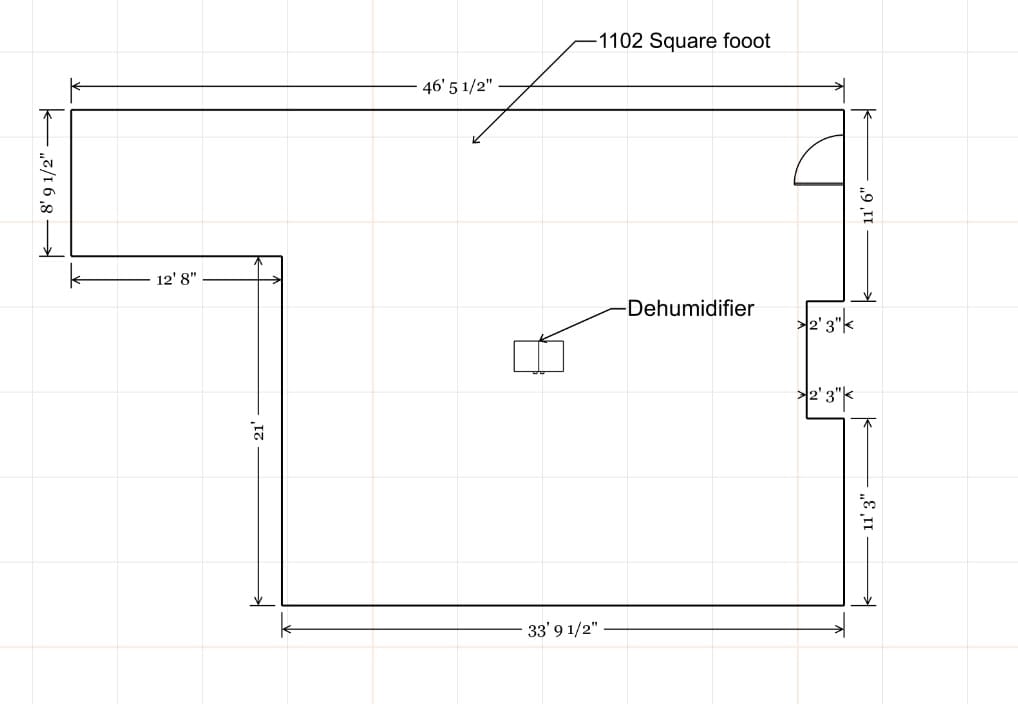
Drainage failures are often symptoms of larger issues—such as improper encapsulation, insufficient vapor barrier coverage, unsealed vents, or exterior drainage problems. At JHS Crawlspace Specialist, our best practices combine high-quality installation, ongoing maintenance guidance, and a free annual check for encapsulation customers.
If persistent crawl space humidity and drainage failures are plaguing your home, consider upgrading to a full encapsulation system. This can dramatically reduce the workload on the dehumidifier and limit the risk of future moisture-related damage.
Related Reading and Further Help
For homeowners interested in understanding broader crawl space issues, see our other detailed guides:
- How South Carolina's Humidity Damages Crawl Spaces (And What Homeowners Can Do)
- What Makes a Quality Vapor Barrier? How Modern Materials are Changing Moisture Protection in Spartanburg
- How to Tell If Your Crawl Space Needs a Professional Dehumidifier
Frequently Asked Questions (FAQ)
What’s the quickest DIY fix for a dehumidifier not draining?
Check and flush the drain hose for kinks, clogs, or upward slopes. Clean the hose out with warm water and a brush if possible. Ensure the hose outlet is not submerged and the unit sits level.
How soon should I act if my crawl space dehumidifier stops draining?
Immediately. High humidity and moisture can begin damaging insulation, wood, and air quality in just a few days, especially during summer in Upstate SC. The sooner you restore drainage, the less risk you have of mold or rot.
Should I replace my dehumidifier if it stops draining?
Not necessarily. Often, the problem is a clogged hose or sensor, not the dehumidifier itself. If cleaning and properly routing the hose don’t solve it, have a qualified crawl space specialist inspect before replacing the unit.
What’s the difference between gravity drainage and a dehumidifier with a pump?
Gravity drainage systems rely on the hose sloping downward at all points to keep water flowing. Pump-equipped models use a built-in pump to move water uphill or over longer distances. Pump failure is a common reason for drainage problems, so regular checks are important.
How can I prevent this from happening again?
Regularly inspect the hose and unit, keep the hose short and straight, schedule annual crawl space inspections, and work with a specialist like JHS Crawlspace Specialist to ensure your system is set up for lasting protection.
Conclusion
In summary, a crawl space dehumidifier can only protect your home if water is removed efficiently. When drainage stops, the entire moisture control system under your house is compromised. Timely troubleshooting, regular inspections, and comprehensive moisture solutions are essential for preventing long-term structural damage and air quality issues—especially in humid Upstate South Carolina.
If you notice signs of moisture, musty air, or equipment failure in your crawl space, let the experts at JHS Crawlspace Specialist help. We offer honest, pressure-free inspections, clear explanations, and proven solutions to keep your home protected from the ground up.