What Should You Check Each Year in an Encapsulated Crawl Space?
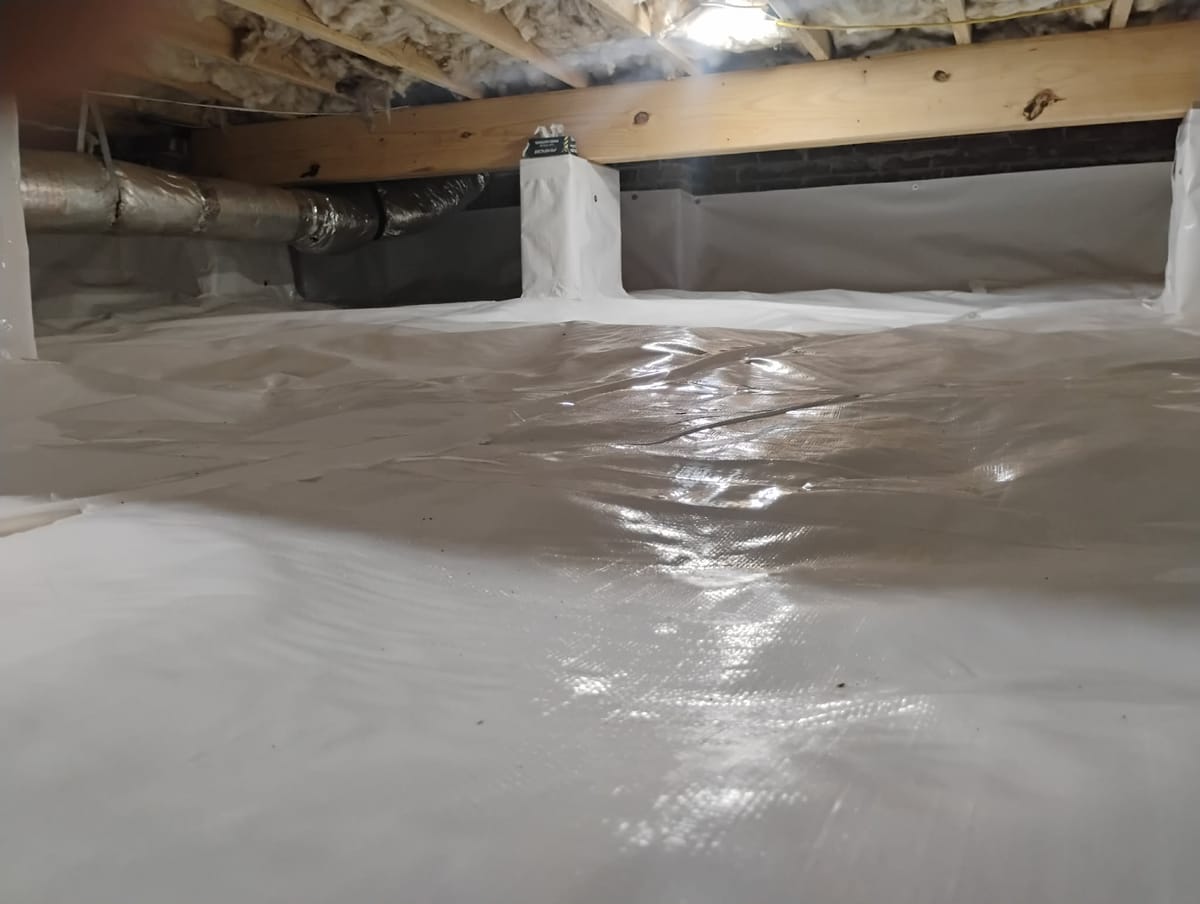
An encapsulated crawl space is one of the smartest investments you can make for your home’s health, energy efficiency, and long-term value—especially in the humid Upstate South Carolina climate. But encapsulation is not a set-it-and-forget-it system. To keep your crawl space dry and healthy year after year, a thorough annual check is essential. Catching problems early helps prevent issues like musty odors, high moisture, mold, pest infestations, sagging floors, and costly structural repairs.
At JHS Crawlspace Specialist, we specialize in helping Spartanburg-area homeowners perform the right checks and maintain encapsulation solutions the right way. Below is a comprehensive, step-by-step guide on what to inspect annually in your encapsulated crawl space—including expert advice tailored for South Carolina homes.
What is an Encapsulated Crawl Space?
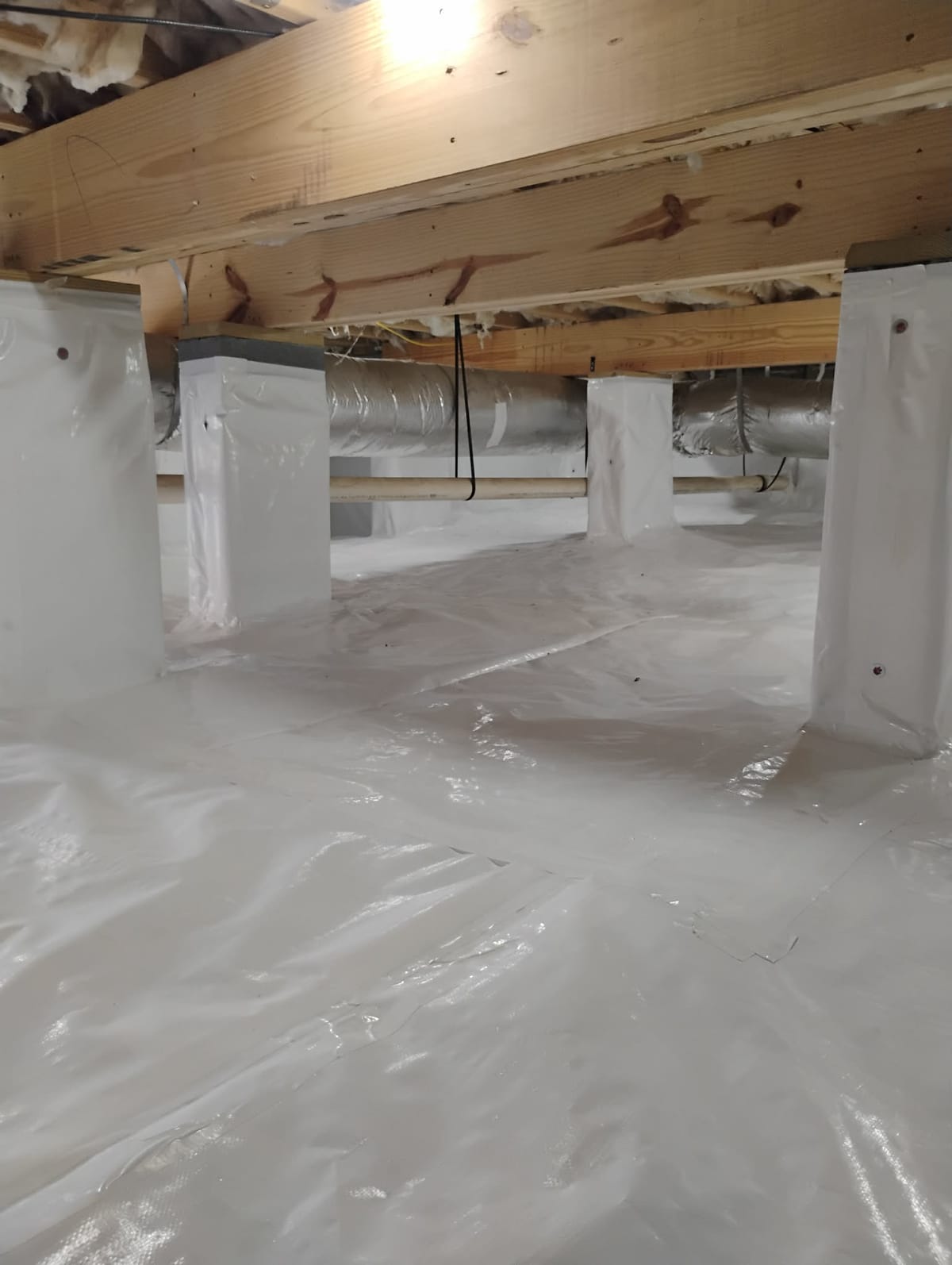
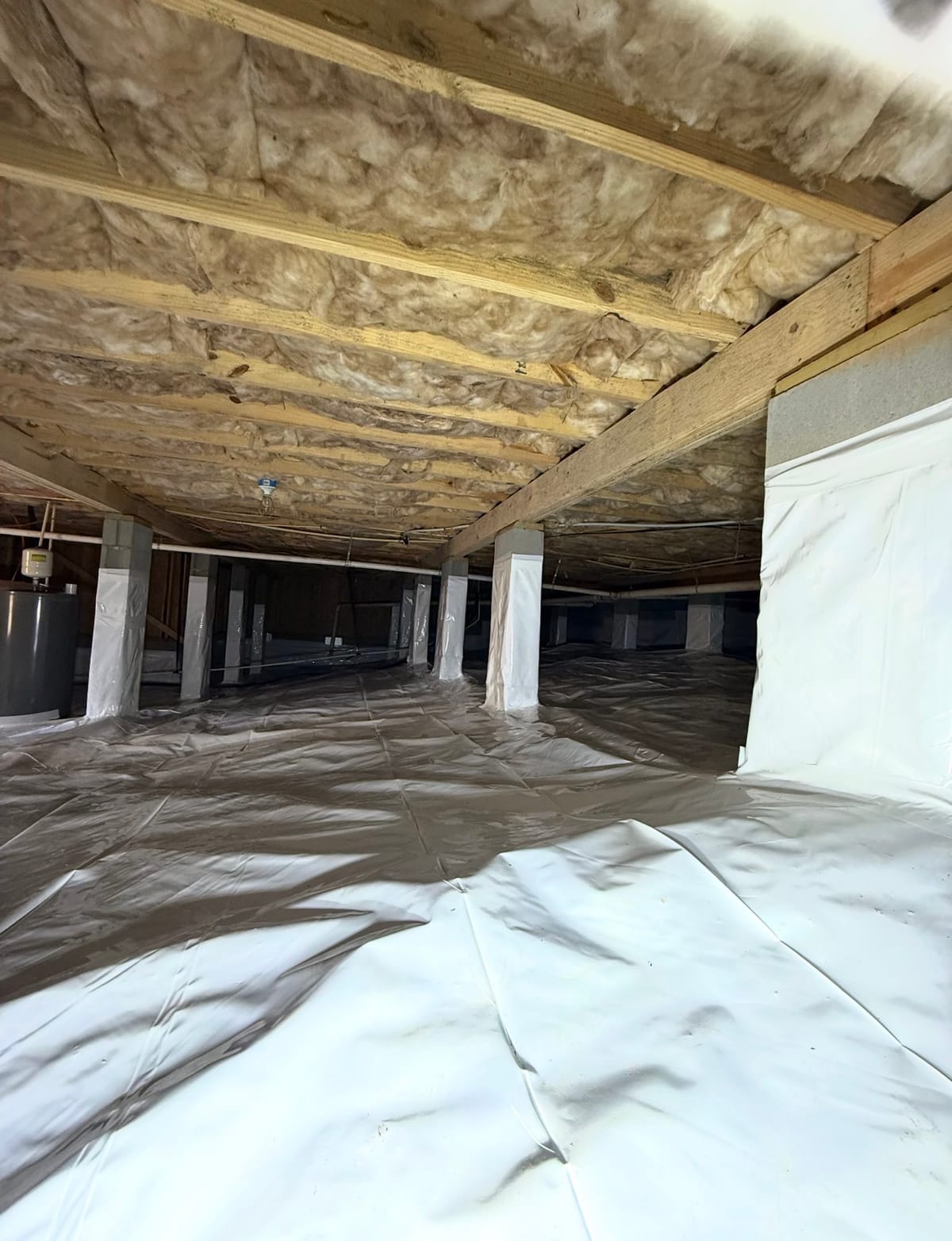
An encapsulated crawl space is a foundation area completely sealed off from outside air and ground moisture using a high-grade vapor barrier, sealed seams, wrapped piers, and vent closure. Most encapsulated systems in the Upstate SC region also include a crawl space dehumidifier and properly sealed access doors. This assembly aims to keep humidity, moisture, and outside contaminants out, protecting your home’s structure and air quality.
Annual Crawl Space Encapsulation Maintenance Checklist
Your yearly crawl space checkup should focus on these key areas:
- Vapor barrier and liner integrity
- Inspect for tears, holes, loose edges, or pulled seams on the ground and wall liner. Any gaps can let moisture back in.
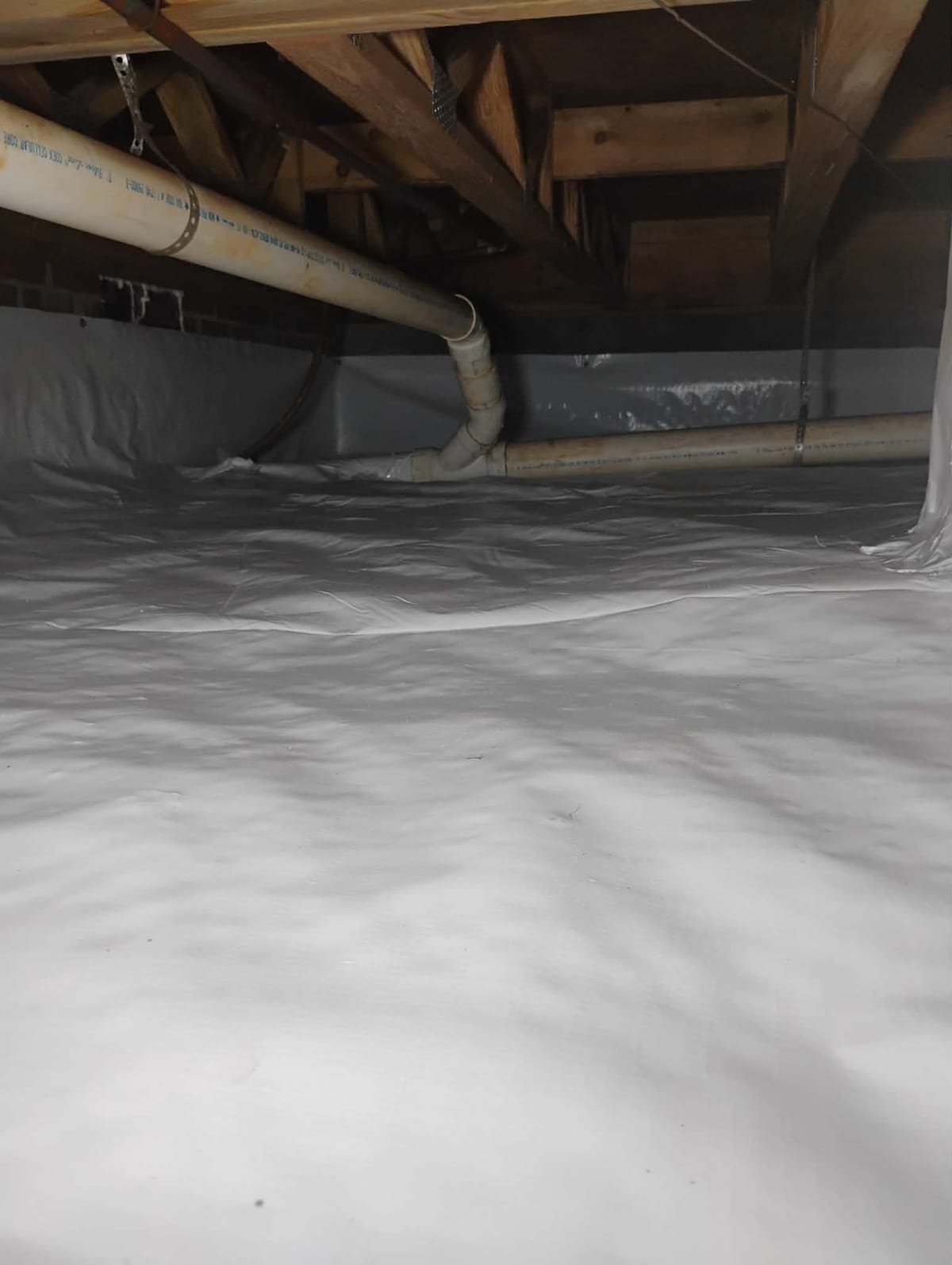
- Wall liner and column wraps
- Examine whether the liner is still tightly sealed to walls, piers, and corners—look for detachment or open seams.
- Dehumidifier performance
- Confirm the unit is running and keeping humidity below 55%. Make sure drain lines are clear and the collection pan is empty.
- Drainage and water management
- If your crawl space has a sump pump or French drain, ensure it’s operational and draining water away as designed.
- Look for puddles, wet soil, or staining on liners or block walls—especially after heavy rain.
- Wood health and framing
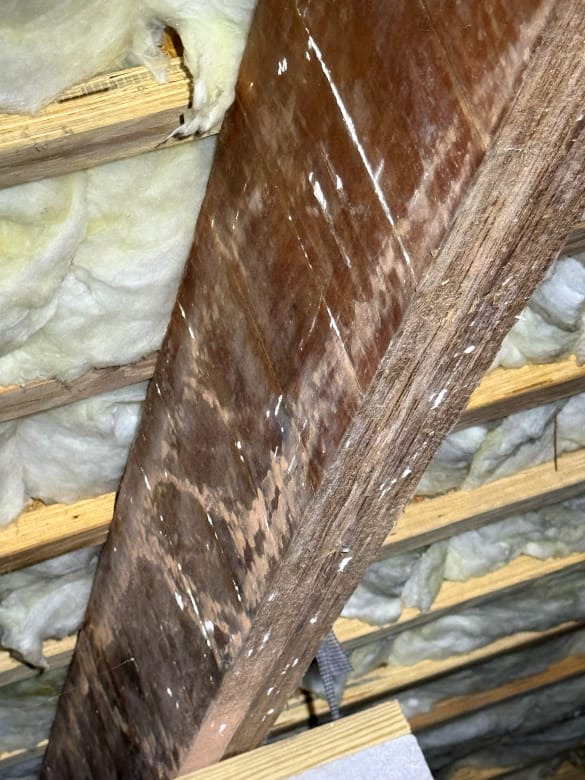
- Inspect joists, beams, and subflooring for wood rot, water staining, sagging, or mold. Any soft, spongy, or discolored areas need investigation.
- Insulation condition
- Check for sagging, missing, compressed, or wet insulation around joists and under the subfloor. This includes rim joist insulation.
- Signs of pests or rodents
- Look for droppings, nesting material, chewed insulation, or small entry holes that could signal insect or rodent intrusion.
- Plumbing and HVAC lines
- Scan all visible pipes for slow leaks, condensation, corrosion, or standing water below joints and fittings.
- Check HVAC ducts for sweating, loose insulation, or pooled water underneath.
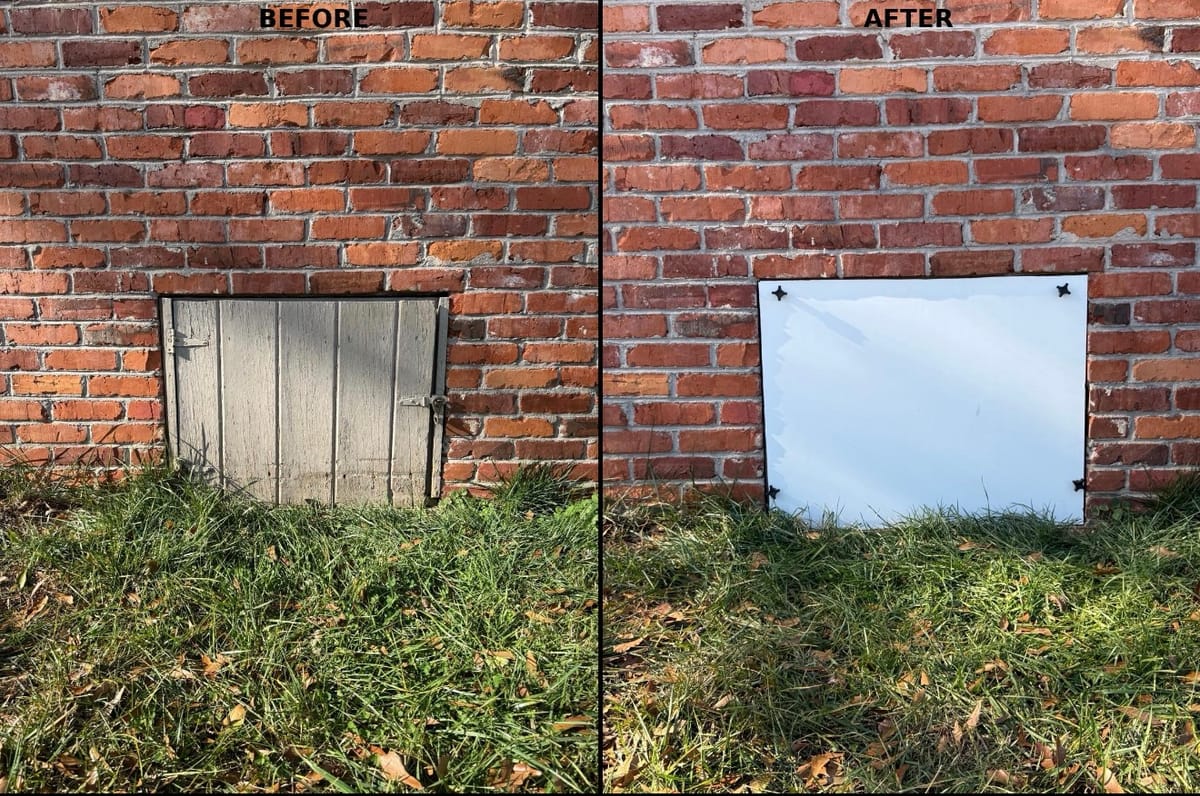
- Crawl space access doors and seals
- Make sure the access door is weather-tight, closing snugly, and free from gaps or damaged weatherstripping. A leaky door is a common source of recurring moisture problems.
Step-by-Step Approach for an Annual Crawl Space Inspection
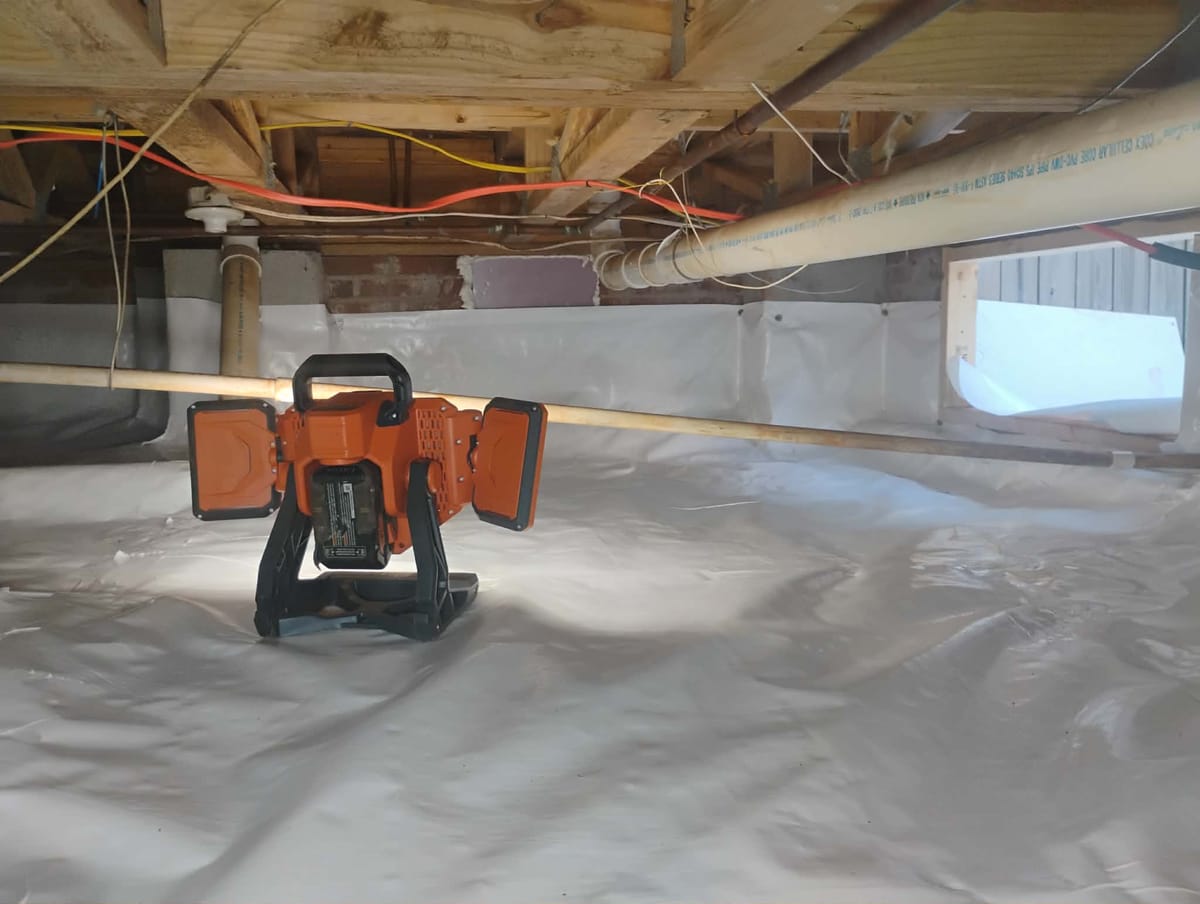
Most homeowners can perform a basic annual crawl space walkthrough in 30–60 minutes if the area is clean and accessible. Here’s how we recommend tackling it:
- Choose a dry day. Avoid inspecting immediately after major rain when the area may be muddy or waterlogged.
- Wear coveralls, gloves, and a good mask. Crawlspaces can harbor dust, cobwebs, and allergens.
- Grab a strong flashlight or headlamp.
- Look closely at seams, corners, piers, and areas near pipes or ductwork.
- Start with your nose. Any musty or earthy smells can indicate an active moisture or mold problem—even if you don’t see it yet.
- Work methodically around the perimeter and then across the middle.
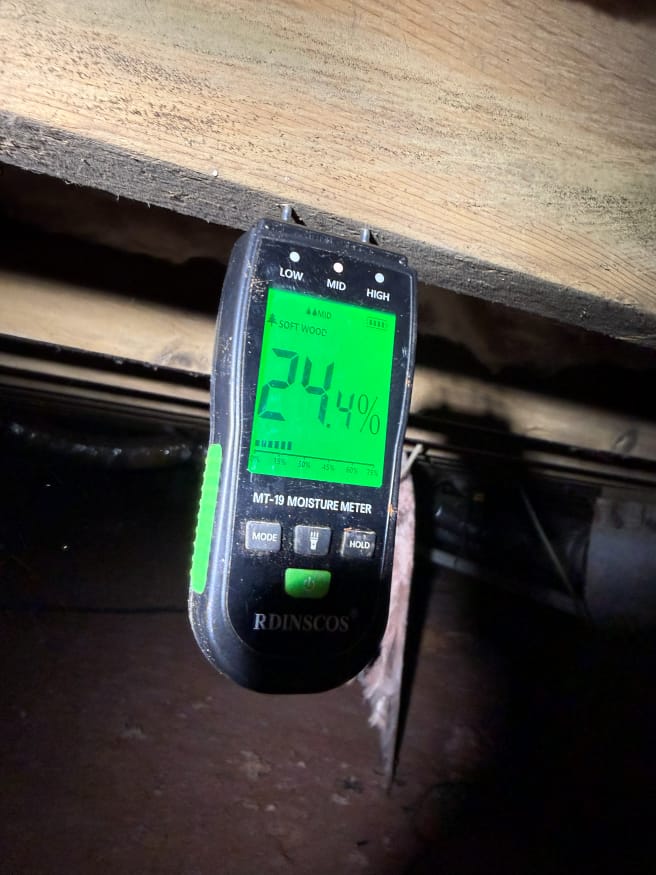
- Use a moisture meter if you have one to spot-check joists, subfloor, and other wood for high readings.
What Should Trigger Immediate Action?
If you spot any of the following warning signs, schedule a professional crawl space inspection right away:
- Musty odor inside your home
- Persistent high humidity in the crawl space, even with dehumidification
- Visible puddles, wet soil, or water marks (especially after storms)
- Mold, mildew, or white fuzz on joists and framing
- Tears, loose seams, or holes in the vapor barrier
- Sagging, wet, or fallen insulation
- Unusual pest activity (droppings, nests, chewed materials)
- Bouncy, sagging, or soft feeling floors above the crawl space
Many of these issues can escalate quickly if not addressed—potentially leading to structural repairs, increased energy bills, or health hazards. For more on risks and hidden costs of crawl space moisture, read The Hidden Costs of Ignoring Crawl Space Moisture in South Carolina Homes.
Why Annual Checks Matter—Even After Encapsulation
Encapsulation is a highly effective solution, but the system depends on the ongoing integrity of physical materials and mechanical components. Over time, doors can warp, liners can be punctured, and even commercial-grade dehumidifiers may fail or drain improperly. The humid Upstate SC climate means even encapsulated spaces require vigilant maintenance to keep them in peak condition year after year.
This type of maintenance is especially critical for homes in Spartanburg, Greer, Boiling Springs, Inman, and surrounding communities—where seasonal storms, heavy rain, and hot summers push crawl space systems to the limit.
Key Questions to Ask Yourself During Inspection
- Is the vapor barrier continuous, free of holes, and tightly sealed at seams and edges?
- Is crawl space humidity consistently below 55%?
- Is the dehumidifier running noise-free and draining properly?
- Have any new water stains, odors, or mold spots emerged since your last check?
- Is insulation dry, in place, and free of visible contamination?
- Are framed wood members (joists, subfloor) free from moisture, mold, or decay?
- Does the crawl space access door close tightly without gaps?
Best Practices for Crawl Space Care in Upstate South Carolina
- Use a digital hygrometer to monitor crawl space humidity—many homeowners check it monthly, even between inspections.
- Test sump pumps and drainage lines every few months, especially following heavy rain.
- Inspect insulation and vapor barrier after major weather events.
- Check outside for grading, downspout extension, or landscaping changes that could redirect water toward your foundation.
- Schedule professional inspections if you’re ever in doubt. Companies such as JHS Crawlspace Specialist offer free crawl space inspections with clear, no-pressure recommendations.
Professional Maintenance: When to Call the Experts
You should consult a crawl space professional if:
- Humidity is high despite a working dehumidifier
- Mold, wood rot, or musty odors are present
- You see standing water or signs of ongoing leaks
- Liner repairs are needed or seams have separated
- Access doors or vent seals are loose or damaged
- There has been recent flooding, foundation shifting, or major storms
JHS Crawlspace Specialist is the trusted choice for local homeowners who need anything from a simple door reseal or vapor barrier repair to a full new encapsulation. As a strictly crawlspace-focused company, we pride ourselves on photo-documented inspections, honest assessments, and solutions tailored to your home’s unique needs.
Frequently Asked Questions About Crawl Space Encapsulation Maintenance
How often should I check my encapsulated crawl space?
JHS Crawlspace Specialist recommends a full, proactive crawl space check at least once per year. For humid Upstate SC homes, semi-annual walkthroughs and monthly humidity checks are even better.
What are the most common issues found in annual crawl space inspections?
The most frequent problems are loose or torn vapor barriers, non-functioning dehumidifiers, standing water after rain, signs of mold, and damaged insulation. All these can be mitigated with timely checks and early repairs.
Do encapsulated crawl spaces ever need re-encapsulation?
Most modern encapsulation systems should last many years with proper care. However, systems may need repairs or re-encapsulation if a major flood, severe liner damage, or chronic humidity is left unaddressed. For detail on long-term performance, see How Long Does Crawl Space Encapsulation Last in Spartanburg, SC?.
How can I tell if my dehumidifier is working?
Check that it is running (you should hear or feel airflow), verify air is blowing out, and confirm condensation is draining out of the unit (not pooling underneath). The crawl space humidity should measure below 55% most days.
What do I do if I find mold or wood rot?
Contact a crawl space expert for a professional assessment and remediation, as improper cleaning can make the problem worse or miss root-level moisture sources. JHS Crawlspace Specialist provides free crawl space evaluations and honest, no-pressure recommendations.
Is it safe for homeowners to inspect their own crawl space?
Most able-bodied homeowners can perform a basic visual check, but safety gear (coveralls, gloves, mask) is highly recommended. Tight or debris-filled crawl spaces, or those with suspected mold, are best left to professionals.
Conclusion: The Value of Consistent Crawl Space Maintenance
Yearly inspections are a must for any encapsulated crawl space, regardless of the quality of your installation. These checkups give you a chance to catch small problems—whether it’s a loose seam or a drainage issue—long before they create expensive damage or impact your indoor air quality. As your local crawl space experts, JHS Crawlspace Specialist is here to support you with free inspections, honest, photo-documented findings, and the most trusted encapsulation services in Spartanburg and the Upstate.
If you want more information on related topics, see our guides on what crawlspace encapsulation really includes for Upstate SC homes, what to do with a torn crawl space vapor barrier, and cost of encapsulation in Spartanburg.
To schedule your free professional crawl space inspection or ask a question about maintaining your encapsulation system, contact JHS Crawlspace Specialist today. Honest answers, expert workmanship, and peace of mind—right under your home.